

Key Takeaways
- Mountain-home due diligence should cover the land and access as carefully as the house itself.
- Private roads, steep driveways, drainage, wells, and septic systems deserve early review.
- Internet, cell coverage, insurance availability, and ongoing maintenance can affect daily ownership.
- Rental plans should be checked against community rules, local requirements, lender terms, and insurance coverage.
- Written records and qualified inspections are more dependable than assumptions made during a quick showing.
Buying in Blue Ridge and the surrounding North Georgia mountains can mean enjoying wooded views, winding roads, and a home that feels removed from city life. However, mountain properties involve considerations that go beyond those of a typical suburban purchase. Before making an offer, buyers should evaluate how the land, road access, utilities, and home systems work together.
Those exploring Blue Ridge Homes for Sale can browse local listings through Mountain Place Realty. Mountain Place Realty provides a property-search resource featuring homes, cabins, and land opportunities throughout Blue Ridge and nearby communities in Fannin, Gilmer, and Union counties. This local perspective is particularly useful because mountain properties can differ significantly in terrain, acreage, road conditions, water service, and proximity to town.
1. Start With the Property’s Intended Use
A clear purpose helps narrow the search. A full-time home may need dependable winter access, strong internet, convenient medical services, and enough storage for daily living. A weekend cabin may place more emphasis on low-maintenance systems, security, and a manageable drive from home. Buyers planning retirement should consider bedroom location, steps, driveway grade, and the ability to remain comfortable if mobility needs change.
If the property may become a short-term rental, treat that plan as a separate layer of due diligence. Confirm whether rental use is allowed, whether parking and occupancy are practical, and whether the home’s systems can handle frequent guest turnover.
2. Study the Land, Slope, and Drainage
In North Georgia, the lot can be as important as the structure. Walk the property with an eye for steep grades, exposed roots, retaining walls, water channels, soft ground, and areas where runoff may move toward the foundation. A broad mountain view is appealing, but the slope beneath it may affect maintenance, drainage planning, and future improvements.
- Does water appear to drain away from the home?
- Are there signs of erosion, washout, settling, or soil movement?
- Is there usable space for parking, outdoor living, or a future addition?
- Are retaining walls showing cracks, leaning, or drainage issues?
- Is there adequate area for a septic repair field if one is ever needed?
3. Confirm Road Access and Driveway Conditions
A beautiful cabin is less useful if the route to it is difficult in heavy rain, ice, or after a storm. Determine whether the road is public, private, shared, or accessed through an easement. Ask who maintains it, how costs are divided, and whether those responsibilities are documented.
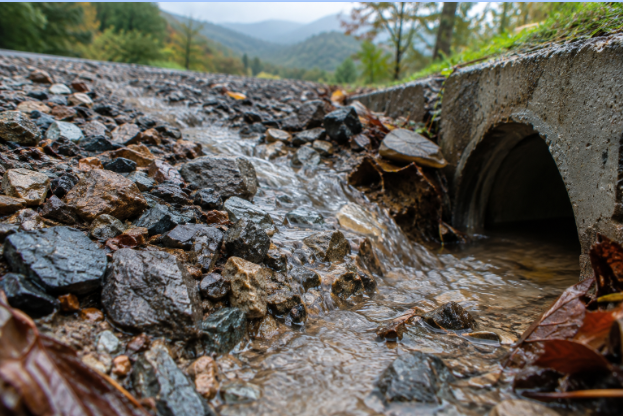
Drive the route to the property more than once if possible. Check driveway width, grade, surface condition, drainage culverts, turnarounds, and whether delivery trucks or emergency vehicles can reasonably reach the home. Gravel drives can be perfectly workable, but they may require periodic grading, drainage work, and debris removal after severe weather.
4. Inspect Wells, Water Quality, and Septic Systems
Many rural and mountain properties rely on private wells and septic systems rather than public utilities. Ask for well records, recent water testing, pump age, treatment equipment details, and information about shared-well agreements where applicable. Water pressure should be checked during a visit, including while multiple fixtures are running.
For septic, request permits, system drawings, pumping records, tank location, drainfield location, and any repair history. The EPA’s guidance on septic systems explains why local records, system access, soil conditions, and professional inspections matter. Avoid assuming that an existing system can support a larger household, added bedrooms, or frequent rental occupancy without verification.
5. Look Beyond the Standard Home Inspection
A general home inspection is an important starting point, but it may not answer every question about a mountain property. Depending on the home and lot, buyers may benefit from additional specialists, including:
- A septic professional for tank, drainfield, and component evaluation.
- A well professional for water supply equipment and testing.
- A structural engineer for foundation movement, retaining walls, or slope concerns.
- A chimney professional for fireplaces, flues, and wood-burning systems.
- A pest inspector for termites and wood-destroying insect damage.
- A roofing contractor when the roof is older, complex, or difficult to access.
- A drainage contractor when runoff or erosion is visible.
6. Verify Utilities, Internet, and Cell Service
Do not rely only on provider maps or a seller’s description of service. Test cell reception in the rooms where you expect to work or sleep, and check internet availability at the exact address. Remote workers should ask providers about the service type, installation timing, equipment requirements, and realistic upload and download speeds.
Also identify the home’s heating fuel, electric panel capacity, backup power options, propane tank arrangements, and water shutoff setup. If the home will sit vacant for part of the year, smart water sensors, monitored security, and a local maintenance contact can help reduce surprises.
7. Review Flood Risk, Insurance, and Ongoing Costs
Request insurance quotes before the due-diligence period ends, especially for wooded homes, steep lots, fireplaces, detached buildings, hot tubs, rental use, or seasonal vacancy. Coverage and premiums can depend on the property’s features, condition, and intended use.
Buyers can review mapped flood hazards through the FEMA Flood Map Service Center, but a map should not replace a site-specific review. Consider drainage patterns, proximity to creeks, visible water marks, culverts, seller disclosures, and advice from qualified local professionals.
8. Check Local Rules and Community Restrictions
County rules, city requirements, HOA covenants, deed restrictions, and road agreements can all affect how a mountain home is used. Review the documents before closing and ask practical questions about short-term rentals, guest limits, parking, pets, exterior changes, signs, docks, outbuildings, and driveway work.
It is also wise to confirm that the lender and insurer accept the intended use. A property that works well as a private vacation cabin may require different financing or coverage if it will be operated as a rental.
9. Create a Due-Diligence Timeline
- Mark every inspection, financing, and contingency deadline in the contract.
- Schedule the general inspection promptly.
- Order well, water, septic, pest, chimney, structural, or drainage reviews as needed.
- Review surveys, easements, title materials, and road-maintenance agreements.
- Request insurance quotes and confirm the planned use of the property.
- Test internet and cell service at the house.
- Get written estimates for significant repairs or improvements.
- Revisit after rain when practical, then make decisions before deadlines expire.
Common Questions Buyers Ask
Is buying a mountain home different from buying in a subdivision?
The purchase process is similar, but mountain homes often add questions about terrain, private roads, wells, septic systems, drainage, trees, and access to services.
Should a buyer worry about a private road?
Not necessarily. The important issues are legal access, maintenance duties, shared costs, year-round condition, and emergency access.
Does a great view guarantee strong value?
Views can increase appeal, but buyers should also consider access, view protection, tree growth, maintenance, nearby land, home condition, and local buyer demand.
What is the biggest mistake buyers make?
Falling in love with the setting before confirming how the property functions. A remarkable view cannot replace safe access, dependable water, a sound septic system, appropriate insurance, and manageable ownership costs.
Conclusion
Buying a mountain home in Blue Ridge means evaluating more than the views and the condition of the house. Confirm legal road access, drainage, well and septic performance, utility reliability, insurance coverage, and any restrictions that could affect how you use the property. Qualified inspections, written maintenance agreements, and realistic repair estimates can help uncover potential costs before closing. With thorough due diligence and guidance from a local real estate professional, you can choose a North Georgia property that delivers the mountain lifestyle you want without overlooking the responsibilities that come with it.
