

Introduction
Structural planning and creative design are two essential elements of successful construction and engineering projects. Every building, bridge, commercial complex, and residential property begins with an idea that must be transformed into a practical, safe, and functional structure. Achieving this requires careful consideration of materials, space, environmental conditions, construction methods, and long-term performance. As the construction industry continues to adopt modern technologies, the relationship between technical planning and creative thinking has become increasingly important. Platforms such as structurespy com represent an interesting concept for exploring how structural knowledge, design inspiration, and construction-related information can support a better understanding of the built environment.
Modern construction is no longer limited to creating buildings that simply serve a particular purpose. Property owners, architects, engineers, and developers increasingly expect structures to combine visual appeal, durability, sustainability, and efficient functionality. A successful project must satisfy practical requirements while also reflecting the needs of the people who will use the space. Understanding these changing expectations can help individuals appreciate the importance of structural planning and thoughtful design. By exploring the ideas associated with structurespy com, readers can develop a broader perspective on how creative concepts and engineering principles contribute to modern construction.
Understanding the Importance of Structural Planning

Structural planning is the foundation of any reliable construction project. It involves evaluating the intended purpose of a structure, identifying potential challenges, selecting suitable materials, and determining how different components will work together. Engineers must consider factors such as load distribution, foundation strength, building dimensions, weather conditions, and safety requirements before construction begins. These decisions influence not only the stability of a building but also its maintenance requirements and overall lifespan.
A well-planned structure reduces the possibility of expensive design changes and construction delays. For example, when developing a residential property, engineers must understand how walls, columns, beams, and foundations will support the building. If these elements are not properly coordinated, the project may experience structural weaknesses or unnecessary material expenses. Planning also helps construction teams organize their activities more effectively because important technical decisions are established before work begins. This demonstrates why structural knowledge remains essential for projects of every size.
The Connection Between Engineering and Creative Design
Engineering and creativity may appear to represent different areas of expertise, but modern construction depends on their successful combination. Engineering provides the technical foundation needed to create safe and stable structures, while creative design determines how those structures look, feel, and function. Architects use their understanding of proportions, natural lighting, materials, and spatial organization to create attractive environments. Engineers then evaluate these concepts to ensure they can be constructed safely and efficiently.
Creative design also encourages professionals to explore solutions beyond conventional building layouts. An office, for instance, may benefit from open spaces, flexible meeting areas, large windows, and energy-efficient lighting. However, these features must be supported by an appropriate structural system. The relationship between appearance and performance is therefore important throughout the design process. Discussions around structurespy com can be connected with this broader understanding of how thoughtful planning and innovative ideas influence the quality of modern buildings.
How Modern Technology Is Transforming Structural Design
Technology has significantly changed how construction professionals plan, design, and manage projects. Digital software allows architects and engineers to develop detailed building models, evaluate structural components, and identify possible design problems before construction begins. These tools improve communication between different project teams and make it easier to understand how individual building elements interact.
Building Information Modeling, commonly known as BIM, is one of the most important developments in this area. It allows professionals to create detailed digital representations of buildings that contain information about dimensions, materials, systems, and construction components. Instead of relying entirely on separate drawings, project participants can work with coordinated digital models. This approach can reduce misunderstandings and support better project management.
Artificial intelligence is also becoming increasingly relevant in construction planning. AI-supported systems can assist with design comparisons, project scheduling, cost estimation, and the analysis of building information. However, professional judgment remains essential because structural safety requires qualified engineering assessments. The growing relationship between digital tools and technical expertise creates opportunities for more accurate and efficient construction processes.
Sustainable Construction and Environmentally Responsible Design
Sustainability has become a major consideration in the construction industry. Buildings consume significant amounts of energy and resources throughout their lifecycles, making environmentally responsible planning increasingly important. Architects, engineers, and developers are exploring ways to reduce waste, improve energy efficiency, and select materials with lower environmental impacts.
Sustainable design begins during the earliest planning stages. Building orientation, window placement, insulation, ventilation, and shading can influence how much energy a property requires. For example, a building designed to make effective use of natural daylight may reduce its dependence on artificial lighting during daytime hours. Similarly, suitable ventilation strategies can improve indoor comfort while reducing the need for mechanical cooling in appropriate climates.
Material selection is another important factor. Recycled steel, responsibly sourced timber, low-impact concrete alternatives, and durable construction products can contribute to more responsible building practices when selected according to project requirements. Sustainable design is not simply about using environmentally friendly materials; it also involves creating structures that remain functional and efficient over many years.
Exploring Different Elements of Structural Design
Structural design involves several interconnected components that must be carefully coordinated. Each component performs a particular function, but the overall stability of a building depends on how effectively these elements work together. Understanding their individual roles helps readers appreciate the complexity behind even relatively simple construction projects.
Foundations and Ground Stability
Foundations transfer the weight of a building into the ground. Their design depends on soil conditions, structural loads, groundwater levels, and the characteristics of the construction site. A foundation that is suitable for one location may not be appropriate for another because soil strength and environmental conditions can vary significantly.
Before construction begins, professionals generally conduct site investigations and soil assessments to understand the ground conditions. This information helps engineers determine an appropriate foundation system. Proper foundation planning can reduce risks associated with settlement, uneven movement, and structural damage.
Beams, Columns, and Load Distribution
Beams and columns are important elements in many structural systems. Beams transfer loads across horizontal distances, while columns carry loads toward the foundation. Their dimensions, materials, and arrangement must be determined through engineering calculations and applicable building standards.
The placement of these elements also affects the usable space inside a building. For example, commercial buildings may require wider open areas to accommodate offices, retail spaces, or public facilities. Engineers must balance these architectural requirements with structural performance to achieve a practical design.
Roofs and Exterior Structures
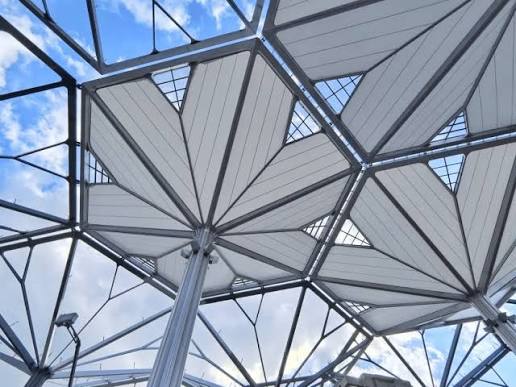
Roof systems protect buildings from weather conditions while contributing to their overall appearance and energy performance. Different roof designs may be suitable depending on climate, building purpose, drainage requirements, and architectural preferences. Flat roofs, pitched roofs, and more complex roof structures each require appropriate engineering considerations.
Exterior walls, facades, balconies, and other architectural features also influence building performance. Their design should account for weather resistance, insulation, maintenance, and safety. These details demonstrate how structural planning extends beyond the main supporting framework.
Comparing Traditional and Modern Construction Approaches
Construction methods have developed considerably over time. Traditional approaches often rely on familiar materials and established building techniques, while modern methods increasingly incorporate prefabrication, digital modeling, advanced materials, and automated processes. Both approaches have advantages, and the most suitable option depends on the project’s location, budget, complexity, and technical requirements.
The following table highlights some important differences between traditional and modern construction approaches.
| Construction Aspect | Traditional Approach | Modern Approach |
|---|---|---|
| Design process | Primarily drawing-based | Digital modeling and BIM |
| Project planning | Manual coordination | Integrated digital planning |
| Materials | Conventional materials | Conventional and advanced materials |
| Construction | Mostly site-based activities | Site-based and prefabricated methods |
| Project monitoring | Manual inspections | Digital monitoring and documentation |
| Sustainability | Depends on selected practices | Greater focus on resource efficiency |
Modern methods can improve coordination and reduce certain types of construction waste. Prefabricated components, for example, are manufactured in controlled environments and transported to the construction site for assembly. This can improve consistency and shorten some project timelines. Nevertheless, traditional construction methods remain valuable, particularly where local skills, material availability, and project conditions make them practical.
The Role of Material Selection in Building Performance
Material selection directly affects the safety, appearance, cost, and durability of a structure. Concrete, steel, timber, glass, masonry, and composite materials each offer different characteristics. Engineers must understand their strengths, limitations, maintenance requirements, and suitability for specific applications before incorporating them into a project.
Concrete is widely used because it offers strong compressive performance and can be shaped into different structural forms. Steel provides high strength and flexibility in many applications, making it useful for commercial buildings, industrial facilities, and long-span structures. Timber can provide an attractive appearance and may offer environmental advantages when responsibly sourced and properly designed. Glass is frequently used in modern architecture to introduce natural light and create visual connections between indoor and outdoor spaces.
Material decisions should never be based on appearance or initial price alone. Professionals must also consider transportation, installation, expected lifespan, maintenance, fire performance, and environmental conditions. A material that appears inexpensive at the beginning may create higher long-term expenses if it requires frequent repairs or replacement.
Improving Project Efficiency Through Better Planning
Construction projects involve multiple professionals, suppliers, contractors, and stakeholders. Without effective coordination, even a well-designed building can experience delays, unnecessary costs, and communication problems. Project planning helps establish responsibilities, timelines, resource requirements, and quality expectations before construction activities begin.
Digital project management systems can make this process more organized. Teams can monitor schedules, document progress, share drawings, and identify issues that require attention. When architects, structural engineers, and construction managers work with consistent project information, the likelihood of misunderstandings can be reduced.
For example, consider a commercial building that requires electrical installations, plumbing systems, ventilation, and structural components. If these systems are planned independently, they may compete for the same spaces or interfere with one another. Coordinated planning allows teams to identify such conflicts before they become expensive construction problems.
Safety Standards and Quality Control in Construction
Safety is one of the most important responsibilities in structural engineering. Every construction project must follow relevant building regulations, engineering standards, and safety requirements. These rules help ensure that structures can withstand their expected loads and environmental conditions while protecting workers, occupants, and surrounding communities.
Quality control begins with proper design documentation and continues throughout construction. Material testing, site inspections, workmanship assessments, and structural evaluations help verify that the project follows approved specifications. Even small construction errors can become significant when they affect important load-bearing components or critical connections.
Professionals must also consider risks such as earthquakes, strong winds, flooding, fire, and extreme temperatures where relevant. These conditions vary between regions, so structural solutions should be adapted to local requirements. In earthquake-prone areas, for example, appropriate structural detailing and seismic design are particularly important. A strong safety culture combines professional expertise, careful supervision, reliable materials, and consistent compliance with applicable regulations.
Practical Ways to Develop Better Structural Design Ideas
People interested in construction and engineering can improve their understanding by observing real projects and studying how different design decisions affect building performance. Learning about foundations, materials, structural systems, architectural layouts, and construction technologies creates a useful foundation for evaluating building concepts.
Some practical approaches can make the learning process more effective:
-
Study different building types and understand their structural requirements.
-
Explore digital design tools and modern construction technologies.
-
Compare materials according to strength, durability, cost, and sustainability.
-
Observe how architects balance functionality with visual appeal.
-
Follow relevant construction standards and engineering developments.
These activities can help students, property owners, and construction enthusiasts develop a more informed perspective. Exploring structurespy com as a topic can also provide a starting point for thinking about the relationship between structural knowledge, design creativity, and modern construction challenges.
The Future of Structural Planning and Creative Design
The future of construction is likely to involve closer integration between engineering expertise, digital technologies, and sustainable development. Smart buildings, automated monitoring systems, advanced materials, and energy-efficient infrastructure are already influencing how professionals approach new projects.
Smart building technology can connect lighting, heating, ventilation, security, and energy management systems. Sensors can help monitor certain building conditions and identify changes that may require inspection. Digital twins, which are virtual representations of physical assets, can support building management by combining design information with operational data.
Robotics and automated construction equipment may also influence how certain activities are performed. These technologies can improve productivity in suitable environments, although their adoption depends on cost, workforce training, regulations, and project complexity.
Frequently Asked Questions
1. What Is Structurespy Com About?
Structurespy com is a keyword associated with structural planning, creative design, and construction-related topics. It can be explored in the context of understanding engineering concepts, modern building methods, material selection, and the relationship between architectural creativity and structural performance. Readers should verify the website’s actual services and published information before relying on it as a professional resource.
2. Why Is Structural Planning Important in Construction?
Structural planning ensures that buildings are designed to support their expected loads and perform safely under relevant environmental conditions. It also helps professionals select appropriate materials, coordinate construction activities, manage expenses, and reduce the possibility of costly design changes. Proper planning creates a reliable foundation for the entire construction process.
3. How Does Technology Improve Structural Design?
Technology supports structural design through digital modeling, engineering calculations, BIM systems, and project management software. These tools help professionals visualize building components, coordinate technical information, and identify potential design conflicts. They can improve efficiency, although qualified professionals must still review and approve important engineering decisions.
4. What Materials Are Commonly Used in Modern Construction?
Concrete, steel, timber, masonry, glass, and composite materials are commonly used in modern construction. Each material offers different advantages depending on strength, durability, cost, appearance, and environmental performance. Engineers select materials according to the specific requirements of the project and applicable building standards.
5. How Can Sustainable Design Improve Buildings?
Sustainable design can reduce energy consumption, minimize construction waste, and improve the long-term efficiency of buildings. Strategies such as natural lighting, effective insulation, suitable ventilation, responsible material selection, and energy-efficient systems can create more environmentally responsible spaces while supporting occupant comfort.
6. What Skills Are Useful for Understanding Structural Design?
An understanding of mathematics, physics, construction materials, engineering principles, architectural concepts, and digital design tools is useful for studying structural design. Communication, analytical thinking, and problem-solving skills are also valuable because construction projects require coordination between professionals from different technical backgrounds.
Conclusion
Structural planning and creative design are essential to developing buildings that are safe, attractive, functional, and sustainable. From foundation engineering and material selection to digital modeling and project coordination, every stage of construction involves decisions that influence the final result. As technology continues to transform the industry, professionals have more opportunities to improve accuracy, reduce waste, and develop innovative building solutions.
Understanding these developments allows readers to recognize why engineering knowledge and creative thinking must work together. Whether someone is a construction enthusiast, architecture student, property owner, or industry professional, learning about modern structural practices can provide valuable insights into the built environment. Structurespy com offers a useful topic through which to explore these ideas and consider the wider relationship between technical planning and creative possibilities. Ultimately, successful construction depends on combining thoughtful design, reliable engineering, responsible material choices, and a commitment to long-term quality.
