


Introduction
The construction industry is continuously changing as new technologies, building materials, engineering methods, and project management strategies reshape the way structures are designed and developed. From residential buildings and commercial properties to bridges, roads, and large infrastructure projects, construction professionals must understand a wide range of developments to remain informed. At the same time, students, researchers, architects, and general readers are increasingly interested in learning how the built environment works. Access to understandable and relevant information has therefore become an important part of professional and personal development. This is where exploring construction-focused digital resources can offer value to people interested in the industry.
Structurespy Com is a keyword associated with construction-related knowledge and structural information. For readers interested in building practices, engineering concepts, and developments in the construction sector, exploring platforms associated with this subject can provide an opportunity to discover useful ideas. The growing importance of digital learning means that people no longer need to depend entirely on traditional textbooks or classroom discussions. Online resources can make technical subjects easier to approach by presenting concepts through explanations, examples, and practical discussions. Understanding what makes construction information useful can help readers identify valuable learning opportunities.
Understanding the Importance of Construction Knowledge
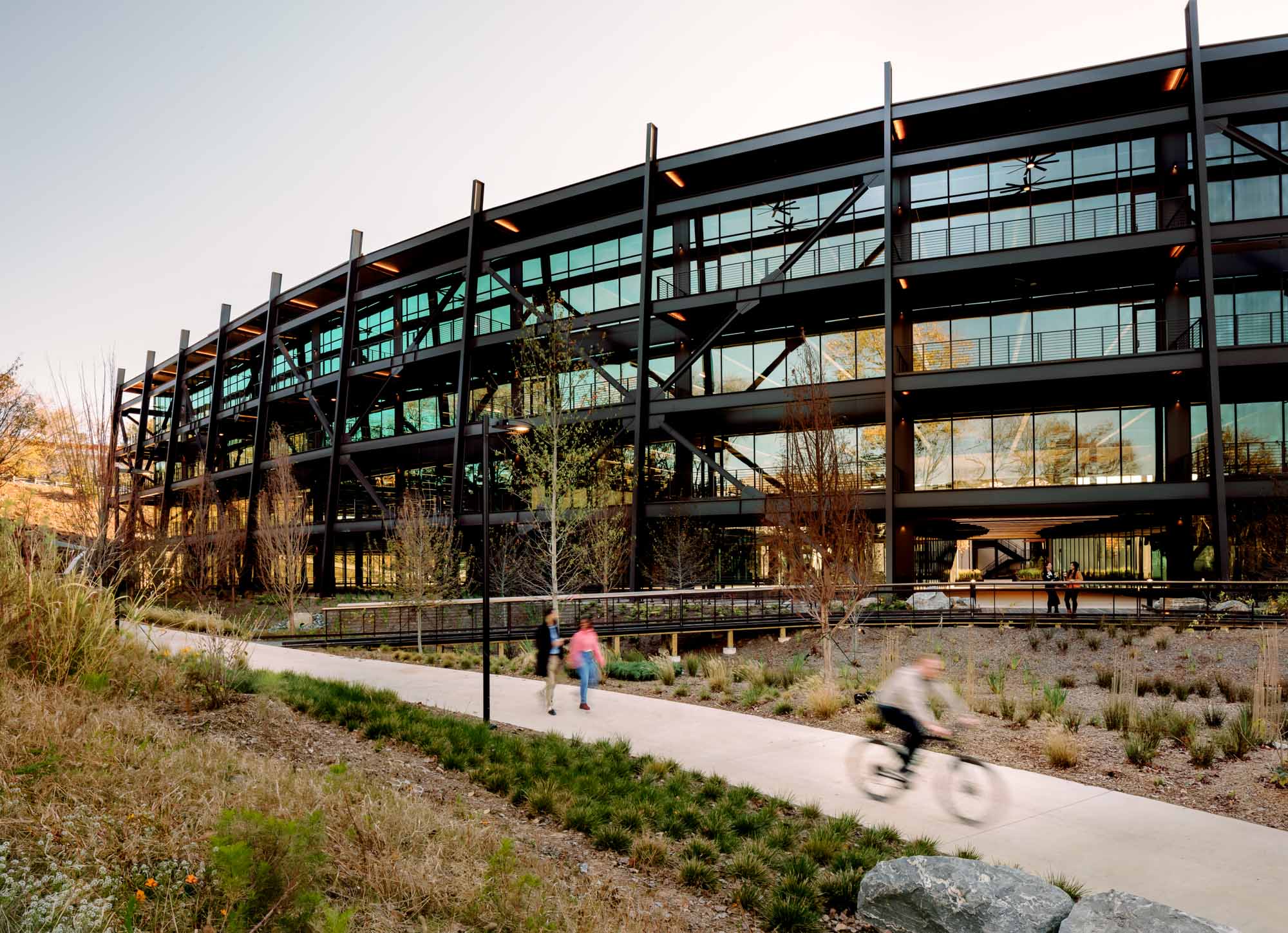
Construction knowledge includes much more than understanding how buildings are assembled. It covers planning, structural design, material selection, safety standards, environmental considerations, budgeting, and project execution. Every construction project requires several decisions that influence its quality, durability, and long-term performance. A small mistake during the planning stage can create difficulties later, while informed decisions can improve efficiency and reduce unnecessary expenses. This makes construction education valuable for professionals working at different stages of a project.
Readers exploring Structurespy Com may be particularly interested in understanding how different construction disciplines connect with one another. Architects focus on functionality and appearance, while structural engineers evaluate stability and load distribution. Contractors coordinate workers, equipment, and materials to complete the actual construction process. These responsibilities are closely connected, meaning that knowledge of one area can help readers understand the wider project environment. Developing this awareness is useful for anyone who wants to understand how modern infrastructure is created.
How Digital Platforms Support Construction Learning
Digital learning has become an important part of professional development across several industries, including construction. Online platforms make information accessible without requiring readers to attend physical training sessions or purchase extensive collections of technical books. People can explore different subjects according to their interests and learning requirements. This flexibility is especially useful for students and working professionals who have limited time but want to remain familiar with industry developments.
A resource associated with Structurespy Com can be considered within this wider movement toward accessible construction knowledge. Readers increasingly look for explanations that connect technical information with practical situations. For instance, a discussion about concrete strength becomes more meaningful when it explains how material quality affects the safety and durability of a building. Similarly, information about project scheduling becomes easier to understand when connected with real construction activities.
Making Technical Subjects Easier to Understand
Construction and structural engineering often involve technical terminology that can appear difficult to beginners. Concepts such as tensile strength, compression, load-bearing capacity, structural integrity, and foundation settlement require explanations that connect theory with everyday examples. Clear educational content can help readers understand these subjects gradually rather than presenting complicated information without context.
For example, a simple explanation of load distribution can help readers understand why columns and beams are positioned carefully in buildings. When a structure carries weight, different components work together to transfer forces toward the foundation. Understanding this basic relationship creates a starting point for learning more advanced engineering topics. Educational resources become more valuable when they make these connections clear and understandable.
Exploring Modern Construction Technology
Technology has become one of the strongest influences on the construction sector. Digital tools are changing how professionals design buildings, estimate project costs, monitor progress, and communicate with different teams. Computer-aided design software, building information modelling, drones, and construction management applications are now important parts of many modern projects. These technologies help improve coordination and provide better access to project information.
Building Information Modelling, commonly known as BIM, is an important example. It allows project teams to work with digital representations of buildings that contain information about different structural and architectural components. Instead of relying only on separate drawings, professionals can coordinate various aspects of a project through a shared model. This approach can help identify design conflicts before construction begins and reduce communication problems between teams.
The Role of Artificial Intelligence in Construction
Artificial intelligence is becoming increasingly relevant to construction planning and management. AI-powered applications can support project forecasting, analyze large amounts of information, identify potential risks, and assist with scheduling decisions. Some systems can also examine construction images to identify possible safety concerns or track progress at a worksite.
However, AI should be viewed as a supporting technology rather than a replacement for qualified professionals. Structural calculations, safety decisions, and engineering approvals require appropriate expertise and verification. Readers should understand both the opportunities and limitations of automated systems before considering their practical applications.
Understanding Structural Engineering and Building Design
Structural engineering is a fundamental part of construction because it focuses on ensuring that buildings and other structures can safely withstand the forces acting upon them. Engineers consider factors such as building weight, occupancy, wind, earthquakes, material properties, and environmental conditions when developing structural systems. Their work helps determine the appropriate dimensions and arrangements of foundations, beams, columns, slabs, and other important components.
A building may have an attractive exterior, but its long-term performance depends heavily on its underlying structural design. For example, a multi-storey commercial building must transfer loads safely through its structural components into the ground. Engineers study how these forces move through the building and select suitable materials and construction methods. These decisions must also follow applicable building regulations and engineering standards.
The Growing Importance of Sustainable Construction
Sustainability has become a major consideration in modern construction as governments, businesses, and communities pay greater attention to environmental performance. Traditional construction activities can consume significant amounts of energy and natural resources. They can also generate waste and contribute to carbon emissions through material production, transportation, and building operations. Sustainable construction aims to reduce these impacts while maintaining safety, comfort, and functionality.
Modern projects increasingly consider energy-efficient designs, improved insulation, natural lighting, water conservation, and responsible material selection. Recycled materials and lower-carbon alternatives are also receiving attention. However, sustainable construction requires more than selecting environmentally friendly products. Designers must consider the complete lifecycle of a building, including construction, maintenance, energy consumption, renovation, and eventual demolition.
Sustainable Materials and Building Methods
Material selection has a direct influence on the environmental impact and durability of a structure. Conventional concrete and steel remain essential materials, but researchers and manufacturers are exploring alternatives and improved production methods. Recycled aggregates, responsibly sourced timber, and lower-carbon cement technologies are examples of developments attracting interest.
The following table highlights several areas of sustainable construction and their potential benefits.
| Sustainable approach | Main purpose | Potential benefit |
|---|---|---|
| Recycled materials | Reuse available resources | Reduced material waste |
| Energy-efficient insulation | Limit unwanted heat transfer | Lower energy consumption |
| Rainwater harvesting | Collect and reuse rainwater | Improved water management |
| Solar energy systems | Generate renewable electricity | Reduced dependence on conventional energy |
| Low-carbon materials | Reduce material-related emissions | Better environmental performance |
Readers interested in Structurespy Com can use these subjects as starting points for understanding how environmental responsibility is influencing construction decisions. The most suitable approach depends on project requirements, local climate, material availability, and applicable regulations.
Construction Safety and Project Management
Construction safety is another essential subject for anyone interested in the building industry. Construction sites involve machinery, electrical systems, working at heights, heavy materials, excavation activities, and several other potential hazards. Effective safety management helps protect workers, visitors, and the surrounding community. It also supports project continuity by reducing accidents, delays, and unexpected costs.
Modern construction companies use safety training, protective equipment, site inspections, risk assessments, and documented procedures to manage workplace hazards. Digital monitoring systems can provide additional support by helping supervisors track site conditions and identify potential problems. Nevertheless, technology is most effective when combined with responsible supervision and a strong safety culture.
Important Areas Every Construction Reader Should Understand
People interested in developing their construction knowledge can begin by exploring several fundamental subjects:
-
Planning and budgeting: Understanding project costs, timelines, and resource requirements.
-
Material knowledge: Learning about concrete, steel, timber, and modern alternatives.
-
Workplace safety: Recognizing common hazards and preventive practices.
-
Digital construction tools: Exploring BIM, design software, and project monitoring systems.
-
Quality management: Understanding inspections, testing, and construction standards.
These areas provide a useful foundation for understanding how successful construction projects are organized and delivered.
Why Construction Readers Should Follow Industry Developments
The construction industry does not remain unchanged for long. New regulations, material technologies, design approaches, and infrastructure priorities continuously influence the way projects are planned and executed. Readers who regularly follow industry developments can understand why certain practices are becoming more common and how changing requirements affect construction decisions.
For students, industry awareness can help connect academic learning with professional expectations. A civil engineering student who follows developments in digital modelling, sustainable materials, and modern infrastructure may develop a better understanding of potential career opportunities. Similarly, experienced professionals can use industry information to identify areas where additional training or updated knowledge may be useful.
Who Can Benefit from Construction-Focused Information?

Construction-related educational resources can appeal to a wide range of readers. Their usefulness depends on how information is presented and whether it addresses the reader’s particular interests. Beginners may need introductory explanations, while professionals may prefer more detailed discussions about engineering methods, technology, and project management.
Students can benefit from learning about real-world applications of concepts covered in their courses. Architects may be interested in design coordination, material selection, and building performance. Contractors can explore project planning, equipment management, and site organization. Property owners may also find general construction knowledge helpful when discussing renovation, maintenance, or building requirements with qualified professionals.
How to Evaluate Online Construction Information
Although digital resources provide convenient access to knowledge, not every online explanation is accurate or sufficiently detailed. Construction is a technical field where incorrect information can create misunderstandings, especially when readers apply general advice to specific projects. Therefore, evaluating sources carefully is an important part of responsible online learning.
Readers should consider whether an article explains its subject clearly, uses appropriate technical terminology, and provides a reasonable context for its claims. Information about building regulations should be compared with official local requirements because standards can differ between countries and regions. Similarly, advice about structural design should not replace calculations or recommendations from qualified engineers.
The Future of Construction Knowledge and Digital Learning
The future of construction will likely involve closer collaboration between engineering expertise, digital technology, and environmental planning. Smart buildings, automated equipment, advanced materials, and data-supported project management are already influencing the industry. As these developments continue, the demand for accessible and understandable construction knowledge is also likely to grow.
Digital twins, for example, allow professionals to create virtual representations of physical assets and use information to monitor performance. In suitable applications, these systems can support maintenance planning and help organizations understand how buildings and infrastructure behave over time. Similarly, improved sensors and connected devices can provide useful information about temperature, energy consumption, equipment performance, and certain structural conditions.
Frequently Asked Questions
1. What is Structurespy Com?
Structurespy Com is a keyword associated with construction-related information and structural knowledge. Readers interested in building methods, engineering concepts, construction technology, and industry developments may find the subject relevant when exploring educational resources.
2. Why should construction readers explore digital learning resources?
Digital learning resources make construction information accessible and convenient. They allow readers to explore different subjects, understand technical concepts, and follow industry developments without depending entirely on traditional learning methods.
3. How does technology influence modern construction?
Technology supports construction through digital design software, Building Information Modelling, artificial intelligence, drones, and project management applications. These tools can improve coordination, planning, monitoring, and decision-making when used appropriately.
4. Why is sustainable construction important?
Sustainable construction aims to reduce environmental impacts through responsible material selection, energy efficiency, waste reduction, and better resource management. It also encourages buildings to perform efficiently throughout their operational life.
5. Can beginners benefit from construction-related educational content?
Yes. Beginners can develop a basic understanding of building materials, structural components, construction processes, and safety principles. Starting with simple explanations and gradually exploring technical subjects can make learning more manageable.
6. Should online construction information replace professional engineering advice?
No. Online information is useful for general education, but structural design, safety assessments, and construction approvals require qualified professionals. Readers should consult relevant engineers and follow applicable building regulations before making technical decisions.
Conclusion
Construction is a broad and constantly developing industry that combines engineering knowledge, creative design, practical skills, and modern technology. Understanding these different areas can help readers appreciate how buildings and infrastructure are planned, developed, and maintained. From structural engineering and sustainable materials to digital project management and workplace safety, every subject contributes to a clearer understanding of the construction environment.
Structurespy Com is worth exploring as a construction-related topic because it connects with several areas that interest students, professionals, and general readers. The growing availability of digital information makes it easier to discover new concepts and develop awareness of changing industry practices. However, readers should always prioritize accurate information and verify important technical details through trusted professional and regulatory sources.
Ultimately, becoming an informed construction reader requires curiosity and continuous learning. Exploring different building methods, understanding emerging technologies, and following developments in engineering can create a stronger foundation for understanding the industry. By approaching construction information thoughtfully, readers can develop valuable knowledge and gain a deeper appreciation of the structures that shape modern communities.
