


Introduction
The internet has made information easier to access, share, and manage than ever before. However, the growth of digital platforms has also introduced serious challenges involving privacy, cybersecurity, and the responsible handling of information. Online discussions about leaked files, unfamiliar platforms, and software-related archives often attract attention because people want to understand what the material contains and whether it is safe. One search phrase that raises these questions is thejavasea.me leaks aio-tlp370.
Understanding this keyword requires looking beyond its technical appearance. It brings together discussions about online leaks, digital resources, information security, and the potential risks associated with downloading files from unverified sources. Rather than assuming that every online archive is legitimate, users should consider its origin, purpose, permissions, and possible security implications. Developing these habits helps individuals make informed decisions while protecting their devices and personal information.
What Is TheJavaSea.me?

TheJavaSea.me is a website name that appears in online discussions involving digital files, technology resources, and alleged leaked material. Websites associated with unauthorized file distribution can attract attention from people interested in software, online communities, and cybersecurity topics. However, the presence of a website or a particular file name does not automatically establish that its content is authentic, safe, or legally distributed.
When investigating an unfamiliar website, users should consider its reputation, ownership information, privacy practices, and security standards. A website that offers downloadable archives without clear information about their creators or permissions deserves additional caution. Understanding these factors is important because online content can sometimes be modified, misleadingly advertised, or distributed without the original owner’s approval.
Why Is AIO-TLP370 Receiving Online Attention?
The phrase thejavasea.me leaks aio-tlp370 attracts interest because it combines an identifiable website name with an unusual technical-looking identifier. People searching for it may want to understand whether it refers to a software collection, an online archive, a data exposure, or a particular discussion within a digital community.
Search interest can increase when several websites publish articles about the same unfamiliar phrase. However, repeated descriptions do not necessarily provide independent confirmation. Some online discussions may repeat earlier claims without checking their accuracy. This creates confusion for readers who are trying to separate reliable information from speculation.
The best approach is to examine the available evidence before reaching conclusions. Readers should look for credible cybersecurity reporting, official statements, and trustworthy technical explanations instead of assuming that every claim associated with a trending keyword is accurate.
Understanding the Possible Meaning of AIO
AIO is a commonly used abbreviation for All-In-One. In technology, it generally describes a product, system, or collection that brings multiple components together in one package. For example, an all-in-one computer combines several hardware components into a single device, while an all-in-one software solution may provide several functions through one application.
In discussions involving AIO-TLP370, the abbreviation is frequently interpreted as referring to a bundled collection of digital material. Nevertheless, the exact contents and intended meaning of this particular identifier have not been independently established. Readers should avoid treating assumptions about the package as verified technical information.
Understanding common technology abbreviations can make unfamiliar online discussions easier to follow. It also encourages people to investigate the context behind technical terms instead of relying entirely on their appearance.
Understanding the TLP370 Identifier
The TLP370 portion of the phrase is another element that deserves attention. Digital platforms frequently use numbers and letters to identify individual uploads, software releases, discussion threads, and archived resources. These identifiers can help communities organize information, but their meanings are not always publicly documented.
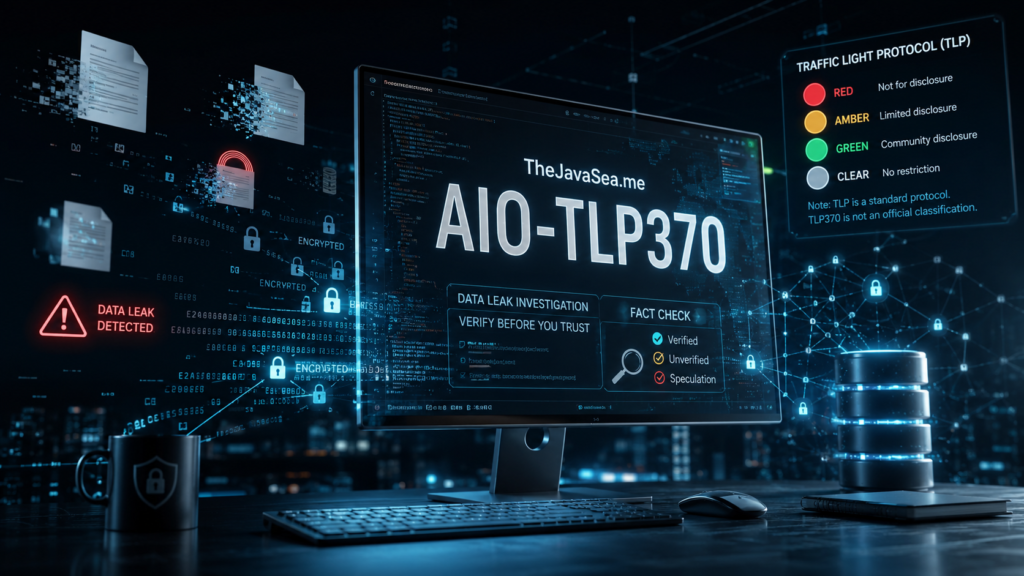
TLP also has a recognized meaning in professional cybersecurity: Traffic Light Protocol. This framework helps security professionals communicate restrictions on sharing sensitive information. Its recognized classifications include TLP:RED, TLP:AMBER, TLP:GREEN, and TLP:CLEAR.
However, TLP370 is not an official classification within this framework. Therefore, readers should not confuse the identifier with an established cybersecurity certification or security rating. The distinction is important when evaluating technical claims surrounding unfamiliar digital packages.
Potential Cybersecurity Risks Associated With Leaked Files
One of the most important concerns surrounding unauthorized digital archives is cybersecurity. Files obtained from unknown sources may contain harmful software, misleading installers, malicious scripts, or other unwanted components. A document or compressed archive may appear harmless while containing content designed to compromise a device.
Malware can create several problems, including unauthorized access, information theft, browser manipulation, and unwanted background activity. Some malicious programs attempt to collect saved passwords or monitor user activity. Others can interfere with normal device operations or expose private files.
People should never assume that a downloadable package is safe simply because it has an attractive description or a large number of online mentions. Avoiding suspicious downloads, keeping security software updated, and obtaining applications from official developers are practical ways to reduce exposure.
Privacy Concerns and Personal Information
Personal information is among the most valuable resources in the digital environment. Email addresses, usernames, passwords, phone numbers, and account details can be misused when they become available to unauthorized individuals. Even information that appears relatively harmless may become valuable when combined with other personal details.
Alleged data leaks create additional privacy concerns because readers may not know where the information originated or whether it was collected with permission. Downloading, sharing, or redistributing private information can also create ethical and legal problems.
Anyone concerned about possible exposure should focus on protecting their own accounts rather than attempting to inspect unauthorized databases. Changing reused passwords, enabling multifactor authentication, and monitoring account activity can help reduce the consequences of compromised credentials.
How to Recognize Unreliable Online Information
The internet contains a mixture of professional reporting, personal opinions, automated articles, and unverified claims. When an unfamiliar keyword becomes popular, it can be difficult to identify which information deserves attention.
A few simple practices can help readers evaluate online information more effectively.
-
Check the original source: Look for official announcements or credible reporting rather than relying on repeated claims.
-
Compare multiple sources: Independent reporting can help identify inconsistencies.
-
Examine publication dates: Older information may not reflect the current situation.
-
Avoid exaggerated headlines: Claims promising exclusive access or guaranteed information deserve skepticism.
-
Look for technical evidence: Reliable cybersecurity reporting should explain how its conclusions were reached.
These habits are particularly useful when investigating thejavasea.me leaks aio-tlp370, because the exact origin and contents associated with the identifier remain unclear. A responsible reader should distinguish between an online claim and an independently verified security incident.
Safe Practices for Protecting Your Devices
Digital safety does not require advanced technical knowledge. Many effective security habits are simple enough for everyday internet users to follow. Keeping devices updated, using reputable security software, and avoiding suspicious downloads can significantly reduce common online risks.
Operating systems and applications regularly receive security updates that address weaknesses discovered by developers and researchers. Delaying these updates can leave devices exposed to problems that have already been identified and addressed.
Users should also create strong, unique passwords for important accounts. A password manager can make this process easier by securely organizing different credentials. Multifactor authentication adds another layer of protection by requiring an additional verification step when someone attempts to access an account.
Other useful precautions include:
-
Avoid opening unexpected email attachments.
-
Do not install software from unknown publishers.
-
Review application permissions regularly.
-
Use secure internet connections.
-
Back up important documents.
-
Monitor unusual account activity.
Following these recommendations creates a stronger foundation for protecting personal and professional information.
What Should You Do If You Suspect Your Information Was Exposed?
Discovering that personal information may have been exposed can be stressful. However, responding calmly and following a structured security process is more effective than immediately downloading unknown files or visiting suspicious websites.
Start by identifying which accounts may be affected. If there is a credible reason to believe that a password has been compromised, change it immediately and avoid reusing the replacement password elsewhere. Review recent login activity and sign out of unfamiliar sessions where possible.
If financial or payment information may have been exposed, contact the relevant financial institution through its official communication channels. You should also monitor account notifications and report suspicious activity promptly.
A reputable breach-notification service can help determine whether an email address appears in known data breaches without requiring you to access an unauthorized archive. If a device may have been infected, run a security scan and seek assistance from a qualified professional when necessary.
The Importance of Responsible Digital Communities
Online communities contribute significantly to technology education and information exchange. They allow people to discuss software, share programming knowledge, explore new developments, and learn about emerging security challenges. However, responsible participation is essential for maintaining a trustworthy digital environment.
Sharing educational material is different from distributing private information without permission. Ethical technology communities should respect copyright, privacy rights, and the security of individuals and organizations. Members should avoid publishing personal credentials, confidential documents, or material obtained through unauthorized access.
The discussion around thejavasea.me leaks aio-tlp370 also demonstrates why responsible information sharing matters. Readers should avoid spreading unverified claims, redistributing potentially private files, or encouraging others to access suspicious archives. Focusing on education and security awareness makes online communities more useful for everyone.
The Future of Online Privacy and Cybersecurity
Cybersecurity will continue to become more important as individuals, companies, and institutions depend increasingly on connected technologies. Cloud computing, artificial intelligence, online payments, digital communication, and remote working have expanded the amount of information stored and exchanged through internet-based systems.
These developments create new opportunities while also increasing the importance of strong security practices. Organizations must invest in secure infrastructure, employee training, access controls, encryption, and regular security assessments. Individuals must also understand how their personal information is collected, stored, and shared.
Artificial intelligence is influencing both cybersecurity protection and digital threats. Security teams can use intelligent systems to identify unusual activity and investigate potential vulnerabilities. At the same time, criminals may use automated techniques to create convincing phishing messages or target vulnerable accounts.
The future of online safety will therefore depend on cooperation between technology developers, security professionals, organizations, and everyday internet users. Awareness and responsible digital behavior will remain essential.
Frequently Asked Questions
1. What is thejavasea.me leaks aio-tlp370?
It is an online search phrase associated with an alleged leak-related digital package or archive. Its precise origin, contents, and authenticity have not been independently established.
2. What does AIO mean?
AIO commonly stands for All-In-One. In technology, it describes a product or collection that combines multiple components or functions.
3. Is AIO-TLP370 an official cybersecurity classification?
No. TLP370 is not an official Traffic Light Protocol classification. The recognized framework uses TLP:RED, TLP:AMBER, TLP:GREEN, and TLP:CLEAR.
4. Is downloading unfamiliar leaked files safe?
Downloading files from unverified sources can expose devices to malware, phishing attempts, and privacy risks. It may also involve unauthorized material.
5. How can users protect their personal information?
Users should create unique passwords, enable multifactor authentication, install security updates, avoid suspicious downloads, and monitor account activity.
6. Does searching for an alleged leak mean personal information has been exposed?
No. Searching for a keyword does not indicate that someone’s personal information has been compromised. Exposure should be assessed through reliable security services and appropriate account checks.
Conclusion
The growing interest in unfamiliar digital keywords demonstrates how quickly online discussions can attract attention. Understanding their meaning requires careful research, technical awareness, and a willingness to question unsupported claims. A website name or package identifier alone cannot establish the authenticity of an alleged data leak or explain exactly what its contents involve.
The discussion surrounding thejavasea.me leaks aio-tlp370 highlights broader lessons about digital privacy, responsible information sharing, and cybersecurity awareness. Instead of accessing suspicious archives or trusting unverified descriptions, users should prioritize reliable information and safe online practices.
Ultimately, protecting personal information requires consistent attention. Strong passwords, multifactor authentication, updated software, and responsible browsing habits can help individuals navigate the digital world more confidently. As technology continues to evolve, informed decisions and responsible internet usage will remain essential parts of a safer online experience.
