

Introduction
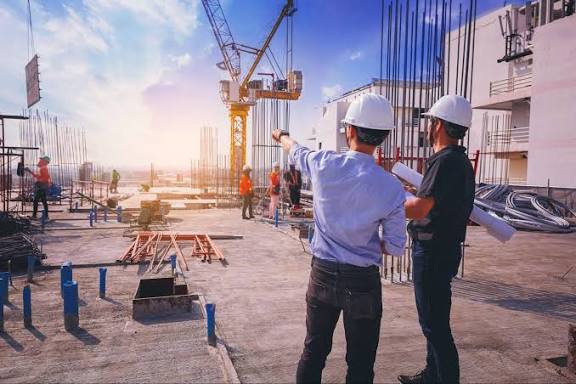
The construction industry is entering a period of significant technological change. Traditional methods remain important, but modern projects increasingly depend on digital planning, advanced structural analysis, automated workflows, smart materials, and data-driven decision-making. From residential buildings to large infrastructure developments, technology is changing how engineers, architects, contractors, and project managers approach design and construction. In this evolving environment, platforms and digital resources such as structurespy com can represent the growing interest in understanding new approaches to structural engineering and construction technology.
Construction is no longer limited to drawings, physical models, spreadsheets, and on-site decision-making. Digital tools now allow project teams to examine structures before construction begins, identify potential problems earlier, coordinate different disciplines, and monitor performance throughout a project’s lifecycle. Building Information Modeling, artificial intelligence, cloud collaboration, drones, sensors, robotics, and digital twins are becoming increasingly relevant to the way modern construction projects are planned and delivered. The result is an industry that is gradually becoming more connected, measurable, and technology-driven.
The importance of these developments is particularly visible as construction companies face pressure to control costs, reduce material waste, improve safety, complete projects efficiently, and meet increasingly demanding sustainability expectations. New approaches are therefore not simply about adopting sophisticated software or machines. They involve changing how information is created, shared, analyzed, and used to make better project decisions.
The Changing Role of Technology in Construction
Construction technology has developed from relatively simple digital drafting systems into an interconnected ecosystem of software, hardware, automation, and data analytics. Earlier computer-aided design systems primarily helped professionals create and modify drawings. Modern platforms can connect design information with structural analysis, scheduling, cost estimation, material information, energy performance, and construction coordination. This broader integration is changing the role of technology from a supporting function into a central part of project management.
One of the most important developments is the increasing use of three-dimensional digital models. A detailed digital model can provide a shared representation of a building or infrastructure project, allowing architects, engineers, contractors, and other specialists to work from coordinated information. This approach can reduce misunderstandings between disciplines because potential conflicts can be identified digitally rather than after materials have arrived on a construction site. For example, a mechanical installation that conflicts with a structural beam may be detected during coordination, giving the project team an opportunity to modify the design before physical work begins.
Resources such as structurespy com fit into this wider movement toward accessible construction knowledge, where professionals and learners can explore concepts related to structures, engineering methods, digital tools, and technological developments. As construction becomes more technically sophisticated, understanding the relationship between engineering principles and emerging technologies becomes increasingly valuable.
Digital Design and Structural Analysis
Moving Beyond Traditional Structural Planning
Structural design has always required careful calculations and professional judgment, but digital analysis has expanded the possibilities available to engineers. Modern structural engineering software can simulate loads, stresses, deformations, vibrations, and other conditions that may affect a building or infrastructure system. These capabilities allow engineers to examine different design scenarios and understand how a structure could respond under particular conditions.
The advantage is not simply speed. Digital analysis can help engineers compare alternatives and investigate complex structural behavior that may be difficult to understand using conventional calculations alone. A design team might evaluate different beam arrangements, column configurations, materials, or structural systems before selecting an appropriate solution. This process can contribute to better-informed design decisions while still requiring qualified professionals to interpret results and apply engineering standards.
Another important change is the integration of structural analysis with three-dimensional modeling. Instead of treating drawings and calculations as completely separate activities, modern workflows can connect geometric information with engineering data. This creates opportunities for more consistent project documentation and can reduce repetitive work when changes occur during design development.
Building Information Modeling and Collaborative Workflows
Building Information Modeling, commonly known as BIM, has become one of the most influential digital approaches in modern construction. BIM involves creating and managing digital information about a built asset throughout different stages of its lifecycle. Although often associated with three-dimensional models, BIM is broader than visualization. It can contain information about materials, dimensions, systems, schedules, quantities, maintenance requirements, and other project characteristics.
The real value of BIM becomes apparent when several project disciplines need to coordinate their work. Architects, structural engineers, mechanical specialists, electrical professionals, contractors, and owners can use coordinated project information to understand how different components interact. When implemented effectively, this approach can reduce clashes and improve communication.
The construction industry is also increasingly exploring BIM beyond the design stage. Digital information can continue into construction, commissioning, operation, maintenance, and renovation. This creates a longer-term information record that can help building owners understand their assets after the original construction team has completed its work. The broader adoption of these workflows demonstrates why resources such as structurespy com can be relevant to discussions about the relationship between structural engineering and digital construction practices.
Artificial Intelligence and Data-Driven Construction
Artificial intelligence is becoming another major area of interest within construction technology. AI can process large quantities of information and identify patterns that may be difficult to recognize through manual analysis. In construction, potential applications include project forecasting, document analysis, scheduling support, design optimization, risk identification, and predictive maintenance.
For example, an AI-supported system could analyze historical project information and identify patterns associated with delays or cost increases. A project manager could then use those insights when developing a new schedule or evaluating project risks. AI can also assist with repetitive documentation tasks, allowing professionals to spend more time on activities requiring engineering judgment and project-specific knowledge.
However, AI does not eliminate the need for experienced construction professionals. Construction projects involve physical conditions, regulatory requirements, contractual responsibilities, material variations, weather, site constraints, and human decisions. AI-generated recommendations therefore need appropriate validation. The most practical approach is to use AI as a decision-support technology rather than assuming that automated outputs are automatically correct.
Smart Sensors and Real-Time Monitoring
From Periodic Inspection to Continuous Information
Smart sensors are helping create a more connected approach to structural monitoring. Sensors can measure factors such as temperature, vibration, movement, strain, moisture, or other environmental conditions. When this information is collected over time, engineers and facility managers can gain a better understanding of how a structure behaves under real-world conditions.
This can be particularly useful for large infrastructure assets such as bridges, tunnels, towers, industrial facilities, and other structures where long-term performance is important. Instead of relying entirely on occasional inspections, continuous monitoring can provide additional information about changing conditions. If unusual patterns appear, professionals can investigate them and determine whether further inspection or maintenance is appropriate.
The growing use of connected monitoring also contributes to the development of digital twins. A digital twin is a digital representation of a physical asset that can be updated using information from the real-world structure. When combined with appropriate engineering models and sensor data, this concept can support more informed maintenance and operational decisions.
Robotics and Automation on Construction Sites
Automation is also changing physical construction processes. Robots and automated equipment are increasingly being explored for repetitive, hazardous, or highly precise tasks. Examples include automated layout, brick or block placement, concrete-related operations, surveying, material movement, and inspection.
The purpose of construction robotics is not necessarily to replace workers completely. In many applications, automation can support workers by performing repetitive activities or operating in environments that present particular risks. Human professionals can then focus on supervision, problem-solving, quality control, coordination, and tasks requiring adaptability.
The practical adoption of robotics depends on project conditions. A highly automated process may be useful on a large standardized project but less practical on a small site with constantly changing conditions. Construction is inherently variable, so successful automation often requires equipment that can adapt to different environments rather than simply repeating one fixed action.
Sustainable Construction and Material Innovation
Sustainability has become an increasingly important part of construction decision-making. Modern projects are expected to consider not only construction costs but also energy consumption, material efficiency, carbon emissions, durability, waste generation, and long-term environmental performance.
Technology can contribute to these goals by helping project teams analyze material quantities and compare design alternatives. Digital models can improve quantity estimation, while advanced analysis tools can help designers understand energy and structural performance. Better planning can also reduce unnecessary material use and prevent avoidable construction waste.
Material innovation is another important area. Engineers and manufacturers are exploring lower-carbon concrete alternatives, recycled materials, engineered timber, advanced composites, and other solutions. The suitability of a material depends on structural requirements, local regulations, availability, durability, cost, and environmental conditions. Therefore, sustainability is most effective when it is integrated into the design process rather than added as an afterthought.
Comparing Major Construction Technology Approaches
| Technology Approach | Primary Purpose | Potential Construction Benefit | Key Consideration |
|---|---|---|---|
| BIM | Digital project coordination | Better information sharing and clash detection | Requires consistent project standards |
| AI and analytics | Data-driven decision support | Faster analysis and forecasting | Outputs require professional validation |
| Smart sensors | Real-time monitoring | Improved understanding of asset behavior | Sensor quality and data management matter |
| Robotics | Automation of selected tasks | Increased precision and reduced repetitive work | Site conditions can limit automation |
| Digital twins | Lifecycle asset information | Better monitoring and maintenance planning | Requires reliable data integration |
| Advanced materials | Improved performance and sustainability | Potential efficiency and environmental benefits | Cost, standards, and availability vary |
The table demonstrates that no single technology represents the complete future of construction. Modern projects are more likely to benefit from combining several approaches according to their specific requirements. A project might use BIM for coordination, AI for analysis, sensors for monitoring, and digital documentation for lifecycle management.
The Growing Importance of Digital Collaboration
Construction projects often involve many organizations and specialists. Poor communication can create delays, conflicting information, rework, and unnecessary costs. Digital collaboration tools provide opportunities to centralize project information and allow authorized team members to access updated documentation.
Cloud-based workflows are particularly useful when project participants operate from different offices, job sites, or locations. Instead of depending exclusively on physical documents or isolated computer files, teams can work with shared information environments. This can improve communication, although effective implementation still depends on clear responsibilities, access controls, data standards, and staff training.
The human element remains important. Technology can make information easier to share, but it cannot automatically solve organizational problems. Project teams still need clear communication procedures and professionals who understand how to interpret technical information. This combination of digital infrastructure and human expertise is likely to remain central to future construction practices.
Construction Safety Through Technology
Safety is another area where technology can provide meaningful support. Wearable devices, drones, sensors, digital site planning, and automated equipment can contribute to safer working environments when properly implemented. Drones, for instance, can capture information from difficult-to-access areas and reduce the need for workers to perform certain inspections in potentially hazardous locations.
Wearable technologies can also provide information about worker location, environmental conditions, or exposure to particular site risks in suitable applications. Meanwhile, digital planning can help teams identify hazards before work begins. Virtual and augmented reality technologies are also being explored for training, design visualization, and site preparation.
Safety technology should complement established safety systems rather than replace them. Regulations, professional supervision, training, protective equipment, and appropriate site procedures remain essential. Technology becomes most valuable when it strengthens these established practices.
Education and the Future Construction Workforce
As construction technology develops, the skills required by industry professionals are also changing. Engineers and construction managers increasingly need a combination of technical knowledge, digital literacy, analytical thinking, and communication skills. Understanding software alone is not enough; professionals need to know when and how technology should be applied.
Educational resources can help students and professionals become familiar with concepts such as structural modeling, BIM, data analysis, automation, sustainability, and digital project management. In this context, structurespy com can be associated with the broader idea of making construction and structural technology easier to explore for people interested in the field.
The future workforce is therefore likely to be more interdisciplinary. A structural engineer may need greater awareness of data systems, while a construction manager may need to understand digital models and automated workflows. Similarly, technology specialists working in construction need an appreciation of engineering principles and practical site conditions. This blending of skills can create new professional opportunities across the industry.
Practical Challenges of Construction Technology Adoption
Despite its potential, construction technology does not automatically deliver better results. Cost is one important consideration, particularly for smaller contractors. Purchasing software, equipment, sensors, or automated systems can require substantial investment. Organizations also need to consider training, maintenance, data security, integration, and ongoing support.
Resistance to change can be another challenge. Experienced professionals may be comfortable with established methods, while newer employees may expect highly digital workflows. Successful technology adoption requires organizations to demonstrate practical value rather than simply introducing new tools because they are fashionable.
A few factors can make technology adoption more effective:
- Start with a clearly defined project problem rather than technology for its own sake.
- Provide adequate training and practical support.
- Establish consistent data and documentation standards.
- Measure results and improve workflows based on experience.
Another challenge involves interoperability. Different software platforms and equipment may use different data formats or workflows. If systems cannot communicate effectively, organizations may create new inefficiencies while attempting to solve old ones. Open standards, clear information requirements, and careful technology selection can help reduce this problem.
What the Next Generation of Construction May Look Like
The next generation of construction is likely to involve greater integration between digital design, physical construction, monitoring, and building operations. Rather than treating each stage as an isolated process, companies are increasingly interested in connecting information throughout the entire lifecycle of an asset.
Imagine a project where the initial structural model informs construction planning, the construction record becomes part of the building’s operational information, sensors provide performance data, and analytical systems help identify maintenance requirements. Such an approach can create a continuous information cycle rather than a collection of disconnected documents.
This does not mean every construction project will become fully automated or operate without traditional methods. Different projects have different budgets, scales, risks, regulations, and site conditions. The most realistic future is likely to combine proven construction practices with digital technologies that provide measurable value.
As these changes continue, structurespy com reflects the broader interest in understanding how structural engineering and construction technology are evolving together. The most useful technology will ultimately be technology that solves genuine problems, improves project outcomes, and remains practical for the people using it.
Frequently Asked Questions
What is the role of technology in modern construction?
Technology helps construction professionals improve design coordination, structural analysis, project planning, safety, monitoring, documentation, and maintenance. Digital tools can reduce repetitive work and provide better information for decision-making, while professional expertise remains essential for interpreting results.
How is BIM changing construction projects?
BIM creates a coordinated digital representation of project information. It can help different disciplines identify design conflicts, manage quantities, coordinate construction activities, and maintain information throughout the lifecycle of a building or infrastructure asset.
Can artificial intelligence replace construction engineers?
AI is more appropriately viewed as a support technology rather than a replacement for professional engineering judgment. It can assist with analysis, forecasting, documentation, and pattern recognition, but engineers remain responsible for interpreting information and making decisions within applicable technical and regulatory requirements.
Why are smart sensors becoming important in structural engineering?
Smart sensors can provide ongoing information about factors such as movement, vibration, temperature, strain, and environmental conditions. This information can supplement inspections and help professionals understand the behavior and changing condition of structures.
Is construction becoming fully automated?
Construction is adopting more automation, but complete automation is unlikely to be practical for every project. Construction sites are complex and variable environments. Robotics and automated systems are more likely to perform selected repetitive, precise, or hazardous tasks while human professionals continue to manage complex decisions and coordination.
How can construction companies adopt new technology successfully?
Companies can begin by identifying a specific operational problem and selecting technology that addresses it. Training, data standards, interoperability, cybersecurity, staff involvement, and performance measurement are also important for successful implementation.
Conclusion
Construction technology is moving beyond simple digital drafting toward integrated systems that connect design, engineering, project management, construction, monitoring, and long-term asset operation. BIM, artificial intelligence, smart sensors, robotics, digital twins, advanced materials, and cloud collaboration are contributing to this transformation. However, successful innovation depends on more than purchasing new technology. It requires skilled professionals, reliable information, effective processes, and a clear understanding of project requirements.
The most important trend is the growing connection between physical construction and digital information. Engineers can analyze structures more extensively, project teams can coordinate through shared models, sensors can provide information about real-world performance, and data-driven systems can support decisions throughout an asset’s lifecycle. Structurespy com fits within this broader conversation about how structural knowledge and modern construction technology can work together.
As the industry continues to evolve, the strongest opportunities will come from practical innovation rather than technology adoption for its own sake. Construction companies, engineers, architects, and project managers that understand both the capabilities and limitations of emerging tools will be better positioned to use them responsibly. The future of construction technology will ultimately be shaped by the combination of engineering expertise, digital intelligence, sustainable thinking, and practical experience.
