

Introduction
The construction industry is experiencing significant changes as new technologies, innovative materials, and advanced planning methods reshape how buildings and infrastructure are designed. From residential properties to commercial developments and large-scale infrastructure, construction professionals are increasingly looking for practical ways to improve project quality, reduce delays, manage costs, and achieve better structural performance. Digital transformation has become an important part of this progress, helping architects, engineers, contractors, and property developers make more informed decisions throughout the building process.
In this changing environment, access to useful construction knowledge and reliable industry insights can make a meaningful difference. Structurespy com represents an interesting topic for exploring how digital information, structural design concepts, and modern construction practices can support better project planning. Whether someone is learning about building materials, understanding engineering principles, or exploring new construction technologies, organized information can help make complex subjects easier to understand.
Understanding the Changing Landscape of Modern Construction
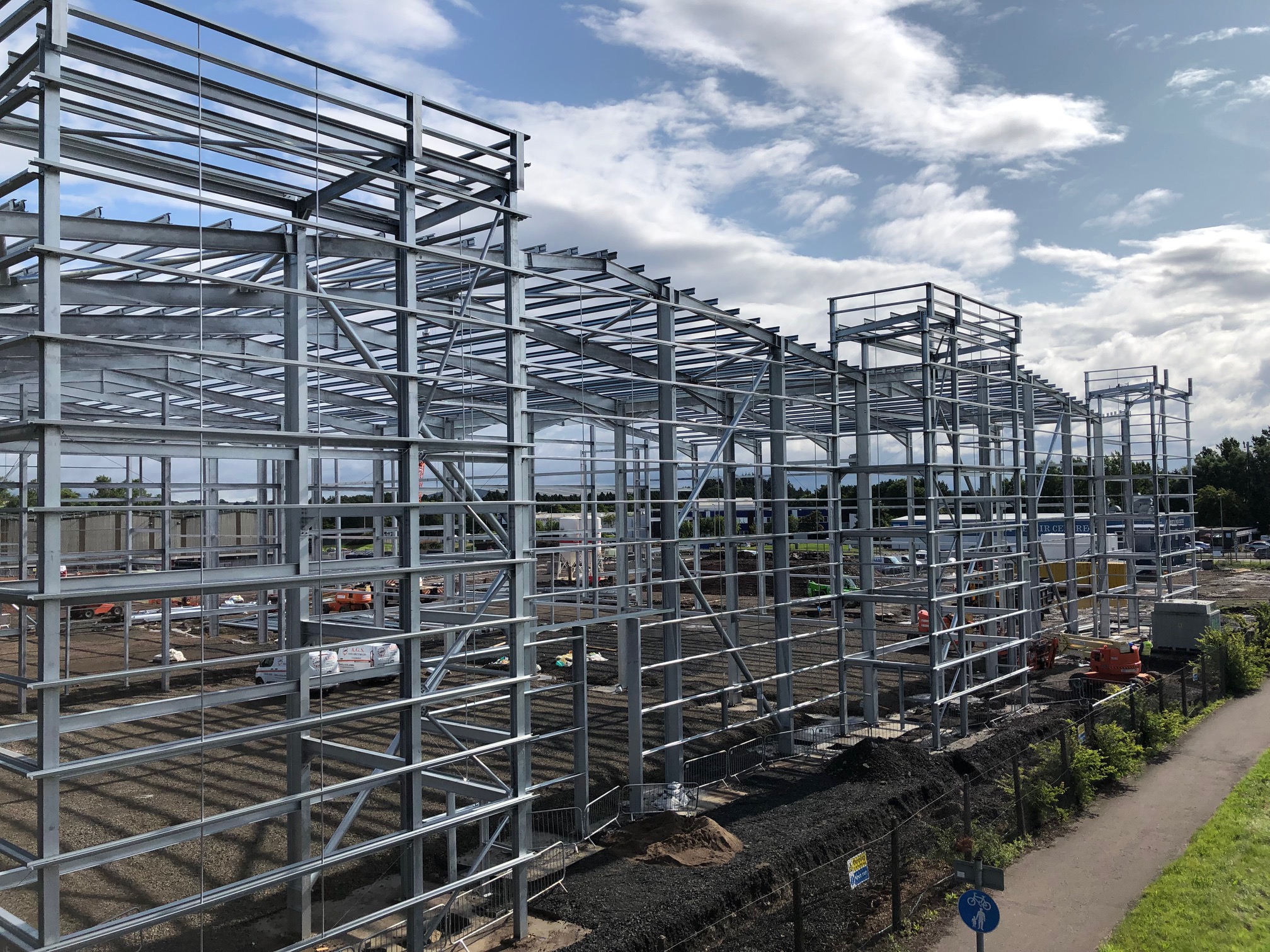
Construction practices have evolved considerably over the past decade. Traditional building methods continue to provide an important foundation, but modern projects increasingly depend on digital planning, accurate measurements, sustainable materials, and improved communication. Construction teams now have access to software and technologies that help them understand project requirements before physical work begins. These developments reduce uncertainty and make it easier to identify potential problems during the planning stage.
One major change is the growing importance of data-driven decision-making. Engineers can examine structural information, architects can develop detailed building models, and project managers can monitor schedules through digital systems. Instead of depending entirely on manual calculations and disconnected documents, professionals can use integrated tools to organize project information. Structurespy com fits into a broader discussion about making construction knowledge more accessible and helping readers understand the relationship between technology and structural development.
Another important development is the increasing demand for buildings that remain functional, safe, and efficient over long periods. Property owners want structures that offer comfort, durability, and reasonable maintenance requirements. Meeting these expectations requires thoughtful design decisions, suitable material selection, and professional supervision. Modern construction therefore combines technical expertise with practical planning.
The Importance of Structural Design in Building Projects
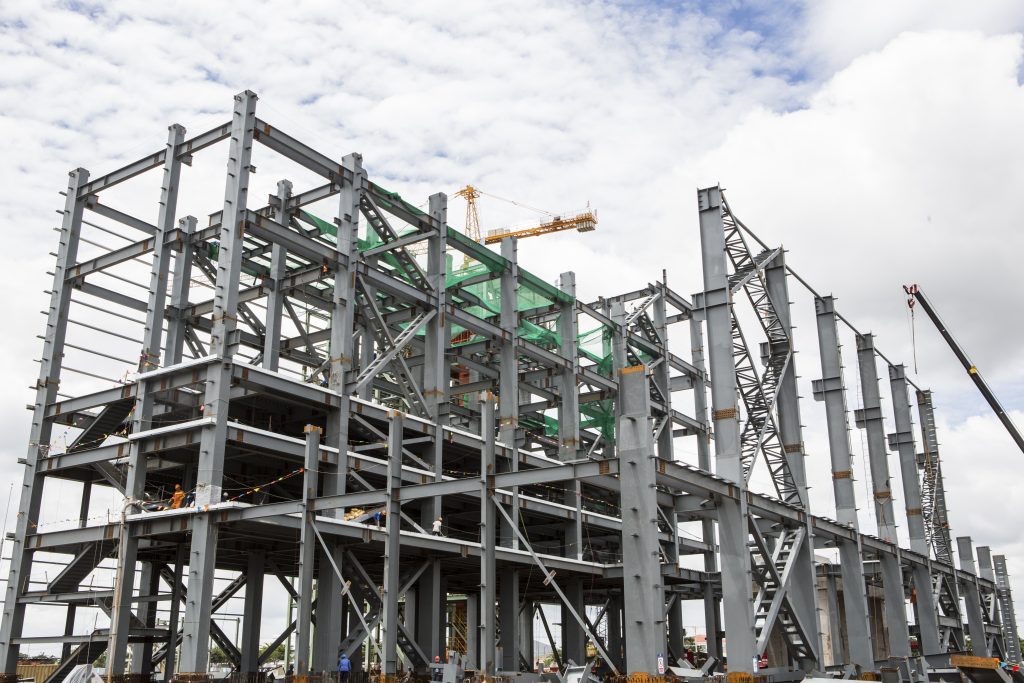
Structural design is one of the most important parts of any construction project because it determines how a building responds to different forces and environmental conditions. A structure must support its own weight while safely handling the loads created by occupants, furniture, equipment, wind, and other external factors. Engineers study these requirements before deciding the dimensions, materials, and arrangement of important structural elements.
Columns, beams, foundations, slabs, and load-bearing walls work together to maintain structural stability. Each component has a specific purpose, and mistakes in one area can affect the performance of the entire building. For example, an incorrectly designed foundation may create settlement problems, while inadequate reinforcement can reduce the strength of concrete elements. This is why engineering calculations, site investigations, and professional inspections remain essential.
How Digital Tools Support Structural Planning
Digital tools have improved the way professionals approach structural planning. Building Information Modeling, commonly known as BIM, allows different project participants to work with coordinated digital representations of buildings. These models can include architectural layouts, structural components, and information about materials and construction systems.
Three-dimensional visualization also makes it easier to identify design conflicts before construction begins. For example, engineers and architects can examine whether ventilation systems, electrical installations, and structural elements occupy the same space. Detecting such conflicts early can prevent unnecessary changes and additional expenses during construction.
However, digital models should always be supported by qualified professional judgment. Software can assist with calculations and visualization, but it cannot replace engineering responsibility, regulatory compliance, or appropriate site supervision.
Modern Construction Technologies Transforming the Industry
Technology is influencing almost every stage of construction, from initial design to project completion. Automated equipment, digital modeling, drones, artificial intelligence, and construction management software are helping businesses improve productivity and manage complex operations. These technologies are particularly useful for projects involving multiple contractors, large workforces, and complicated structural requirements.
Artificial intelligence is becoming increasingly relevant in construction planning. Depending on the system and available data, AI-powered applications can help analyze project schedules, identify possible risks, estimate resource requirements, and organize information. Predictive maintenance technologies can also help building operators monitor equipment and identify unusual performance patterns before they develop into expensive problems.
Drones are another useful development. They can capture aerial images of construction sites, support progress monitoring, and help survey difficult-to-access locations. Similarly, laser scanning and digital measurement systems can provide accurate information about existing structures. Such technologies allow professionals to compare actual construction conditions with approved designs.
The following table highlights several technologies and their potential applications.
| Technology | Construction Application | Main Benefit |
|---|---|---|
| Building Information Modeling | Digital building design | Better coordination |
| Artificial Intelligence | Planning and risk analysis | Improved decisions |
| Drones | Site inspections and monitoring | Faster information collection |
| 3D Printing | Selected building components | Innovative production |
| Laser Scanning | Structural measurement | Greater accuracy |
These technologies are not equally suitable for every project. Their effectiveness depends on project size, available budgets, technical requirements, workforce capabilities, and the quality of implementation.
Sustainable Construction and Environmentally Responsible Design
Sustainability has become a major consideration in modern construction. Buildings consume energy and resources throughout their lifecycles, while construction activities can generate waste, pollution, and environmental pressure. As awareness of these issues increases, developers are exploring methods that reduce environmental impact without compromising building safety or functionality.
Sustainable construction begins with careful material selection. Recycled steel, responsibly sourced timber, low-carbon concrete alternatives, and materials with improved insulation properties can contribute to more environmentally responsible projects. The suitability of each option depends on structural requirements, local availability, durability, and applicable building standards.
Energy efficiency is another important part of sustainable design. Proper building orientation, natural lighting, insulation, ventilation, and efficient heating or cooling systems can reduce energy consumption. For example, a residential building designed to maximize natural daylight may require less artificial lighting during daytime hours. Similarly, suitable insulation can help maintain comfortable indoor temperatures and reduce dependence on mechanical cooling.
Improving Construction Project Management
Successful construction depends on more than good architectural and engineering designs. Projects must also be managed effectively to ensure that materials, workers, equipment, budgets, and deadlines remain properly coordinated. Poor communication or inadequate planning can create delays even when the original design is technically sound.
Project managers are responsible for coordinating different teams and monitoring progress. They must understand the project schedule, track expenses, organize material deliveries, and respond to unexpected challenges. Digital construction management systems can simplify these responsibilities by providing centralized information and making project updates easier to share.
Important Elements of Effective Project Management
A well-organized construction project generally requires attention to several areas:
- Budget management: Monitor expenses and identify unexpected costs early.
- Schedule planning: Establish realistic deadlines for each construction activity.
- Resource coordination: Ensure that workers, materials, and equipment are available when required.
- Quality control: Conduct regular inspections and verify that work follows approved specifications.
- Communication: Maintain clear coordination between engineers, contractors, suppliers, and clients.
These practices are useful for projects of different sizes. Even a relatively small residential development can experience serious complications if material deliveries, contractor schedules, and technical decisions are poorly coordinated.
Choosing the Right Construction Materials
Material selection has a direct influence on structural strength, building appearance, construction expenses, and long-term maintenance. Concrete, steel, timber, masonry, glass, and composite materials are commonly used across different construction applications. Each material offers particular advantages and limitations that professionals must evaluate before making decisions.
Concrete is widely used because it can be shaped into different forms and provides strong compressive performance. Reinforced concrete combines concrete with steel reinforcement to improve its ability to resist tensile forces. Structural steel offers high strength and can support designs requiring longer spans or relatively lightweight structural systems. Timber is valued for its natural appearance and can be suitable for several residential and commercial applications when properly designed and protected.
The local climate and environmental conditions also influence material performance. Buildings in areas with heavy rainfall require appropriate moisture protection and drainage systems. Locations exposed to high temperatures may need materials and designs that help manage heat. In regions with seismic activity, engineers must consider earthquake-resistant structural systems and follow the relevant design codes.
Construction Safety and Regulatory Compliance

Safety remains one of the most important responsibilities in the construction industry. Building sites contain several potential hazards, including falling objects, heavy machinery, electrical equipment, unstable surfaces, and work performed at heights. A proper safety management system helps reduce accidents and protects workers, visitors, and nearby communities.
Construction companies should provide suitable protective equipment, employee training, clear site instructions, and regular safety inspections. Workers must understand the risks associated with their activities and know how to respond when dangerous conditions appear. Equipment should also be inspected and maintained according to appropriate procedures.
Regulatory compliance is equally important. Building projects must follow applicable structural codes, fire safety requirements, environmental regulations, and local approval procedures. These requirements vary according to location and project type. Professional engineers and other qualified specialists should verify that designs and construction activities meet the relevant standards.
The Future of Construction and Structural Innovation
The future of construction will likely involve greater integration between digital technology, sustainable engineering, and advanced manufacturing. Smart buildings are already changing how property owners manage lighting, security, energy consumption, and indoor environments. Sensors and connected systems can collect operational information that helps building managers understand how facilities perform.
Prefabrication and modular construction are also receiving attention. These approaches involve manufacturing selected building components away from the construction site and assembling them at the final location. Depending on project requirements, this can improve production consistency, reduce certain types of waste, and make schedules more predictable.
Another promising development is the use of digital twins. A digital twin is a digital representation of a physical asset that can be updated using information from the actual building or infrastructure. When implemented appropriately, it can support performance monitoring, maintenance planning, and operational analysis.
How Readers Can Develop Better Construction Knowledge
People interested in construction do not necessarily need an engineering background to begin understanding the industry. Learning basic structural terminology, building materials, project planning principles, and construction technologies can provide a useful foundation. Students can use these subjects to prepare for technical education, while homeowners can become better informed when discussing renovation or development plans with professionals.
A practical learning approach involves connecting theoretical information with real-world examples. Understanding how a foundation transfers building loads becomes easier when examining an actual building project. Similarly, studying insulation makes more sense when considering how it influences indoor temperatures and energy consumption.
Readers exploring structurespy com should approach construction information with curiosity and critical thinking. It is important to distinguish general educational content from technical instructions that require professional verification. Structural calculations, foundation specifications, electrical systems, and safety procedures should always be handled or reviewed by appropriately qualified specialists.
Frequently Asked Questions
1. What is Structurespy Com about?
Structurespy com is the focus keyword for exploring modern construction insights, structural design concepts, engineering developments, and digital construction knowledge. Readers interested in these subjects can use the topic as a starting point for understanding how modern building practices are evolving.
2. Why is structural design important in construction?
Structural design ensures that buildings can safely support expected loads and withstand relevant environmental conditions. It considers important components such as foundations, beams, columns, and slabs. Proper structural planning helps protect occupants and improves the durability and reliability of buildings.
3. How is technology improving the construction industry?
Technology supports construction through digital modeling, automated equipment, drones, artificial intelligence, and project management software. These tools can improve coordination, simplify monitoring, reduce certain types of errors, and help professionals make better-informed decisions.
4. What are the benefits of sustainable construction?
Sustainable construction can reduce resource consumption, improve energy efficiency, minimize waste, and support healthier building environments. Appropriate materials, efficient insulation, natural lighting, and responsible water management can contribute to better long-term building performance.
5. What skills are important for modern construction professionals?
Modern construction professionals benefit from technical knowledge, problem-solving abilities, communication skills, project management experience, and an understanding of digital tools. Knowledge of safety procedures, structural principles, and current building regulations is also essential.
6. Will technology replace traditional construction methods?
Technology is more likely to improve and complement traditional construction methods than completely replace them. Engineering expertise, skilled workers, quality materials, and on-site supervision will remain important. Digital tools can make these established processes more accurate, efficient, and coordinated.
Conclusion
Modern construction is developing through a combination of engineering knowledge, innovative materials, digital technologies, and environmentally responsible planning. Structural design, project management, construction safety, and material selection continue to influence the success of building projects, while emerging technologies provide additional opportunities to improve efficiency and performance.
Understanding these developments helps students, homeowners, contractors, architects, and construction professionals make more informed decisions. From digital modeling and artificial intelligence to sustainable building materials and smart infrastructure, the industry offers many opportunities for continued learning and improvement.
Structurespy com highlights the growing interest in accessible construction knowledge and modern structural insights. However, successful construction ultimately depends on applying reliable information through qualified expertise, careful planning, and compliance with professional standards. By combining traditional engineering principles with responsible innovation, the construction industry can create buildings and infrastructure that are safer, more efficient, durable, and better prepared for future demands.
