

Introduction
Architecture and construction play an essential role in shaping modern communities. Every home, office, school, hospital, bridge, and public building begins with an idea that must eventually become a safe and functional physical structure. Architecture focuses on creating spaces that respond to human needs, while construction turns designs and technical plans into reality. Understanding both areas provides valuable insight into how buildings are planned, designed, engineered, and maintained.
For readers interested in developing their knowledge, structurespy com offers a useful subject area for exploring architecture and construction concepts. These topics are relevant not only to architects and engineers but also to students, homeowners, builders, designers, and anyone interested in the built environment. Learning the basics can make it easier to understand why particular materials are selected, how structural systems work, and how modern buildings achieve comfort, safety, and efficiency.
The construction industry is also changing quickly. Digital design tools, sustainable materials, Building Information Modeling, automation, and improved construction methods are influencing modern projects. As these developments continue, having a strong understanding of fundamental construction principles becomes even more important.
Understanding Architecture and Construction
Architecture and construction are different but closely connected disciplines. Architects consider how a building should look, function, and respond to its users and surroundings. They think about space, circulation, natural light, materials, accessibility, proportions, and environmental conditions. Construction professionals then use drawings, specifications, engineering information, materials, equipment, and skilled labor to transform the planned concept into a completed structure.
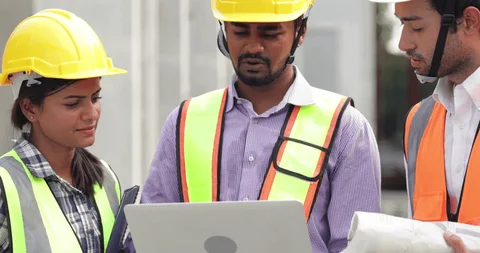
A successful building requires cooperation between many professionals. Architects, structural engineers, contractors, electricians, plumbers, surveyors, project managers, and specialist trades all contribute to different stages of development. Poor coordination can lead to delays, additional costs, or construction problems. This is why modern projects increasingly rely on detailed planning and digital coordination before work begins on site.
By exploring structurespy com, readers can develop a broader understanding of these connections. Instead of viewing architecture as simply building appearance, it becomes easier to recognize how design decisions influence structural performance, energy consumption, maintenance, cost, and occupant comfort.
The Role of Structural Design
Structural design is fundamental to building safety. A structure must carry its own weight as well as loads created by people, furniture, equipment, weather, and other forces. Depending on the location, buildings may also need to account for wind, earthquakes, temperature changes, and other environmental conditions. Structural engineers analyze these factors and develop systems capable of safely transferring loads through beams, columns, walls, floors, and foundations.
Different buildings require different structural approaches. A small residential property may use masonry or timber framing, while a larger commercial building may rely on reinforced concrete or steel. Modern projects can also combine several materials to achieve specific performance requirements. Structural decisions affect not only safety but also architectural possibilities, construction speed, cost, and future flexibility.
Digital structural analysis and modeling have made it easier to evaluate complex designs before construction begins. Engineers can study different solutions, identify potential problems, and coordinate structural components with architectural and mechanical systems. This technology improves efficiency, but professional expertise remains essential.
Construction Materials and Building Performance
Materials have a major influence on the quality and performance of a building. Concrete, steel, timber, brick, stone, glass, aluminum, insulation, and engineered products each offer different advantages. The choice depends on structural requirements, climate, cost, availability, appearance, maintenance, fire performance, and expected service life.
Modern construction increasingly considers the long-term performance of materials rather than focusing only on initial cost. A material that appears inexpensive may require frequent maintenance or replacement, while a more durable alternative could provide better value over many years. Environmental impact is also becoming an important consideration as designers and developers examine energy use, manufacturing processes, transportation, waste, and recyclability.
| Building Element | Common Considerations | Main Performance Needs |
|---|---|---|
| Foundation | Concrete and reinforcement | Stability and load transfer |
| Structure | Steel, concrete, timber | Strength and durability |
| Walls | Masonry, panels, timber | Protection and insulation |
| Roof | Metal, tiles, membranes | Weather resistance |
| Windows | Glass and framed systems | Daylight and thermal performance |
Understanding materials helps readers appreciate why construction projects cannot rely on a single universal solution. The most appropriate choice depends on the building, location, budget, environmental conditions, and intended use.
Sustainable Architecture and Construction
Sustainability has become an increasingly important part of modern architecture. Buildings can consume significant amounts of energy and resources throughout their life cycle, so designers are looking for ways to reduce unnecessary environmental impact. Sustainable design may involve better insulation, efficient lighting, natural ventilation, daylighting, shading, water conservation, renewable energy, durable materials, and thoughtful site planning.
Good sustainable design begins during the early planning stage. For example, the orientation of a building can influence sunlight exposure and indoor temperatures. Window placement can affect daylight and ventilation, while insulation and shading can reduce heating or cooling requirements. These decisions can improve comfort while potentially reducing operational energy consumption.
Structurespy com can be considered within this wider educational area because architecture and construction knowledge increasingly involves environmental responsibility. Sustainability is no longer simply an optional design feature. It is becoming an important consideration when creating buildings intended to perform efficiently over long periods.
Technology Is Changing the Construction Industry
Technology has transformed many stages of construction. Building Information Modeling, commonly known as BIM, allows project teams to create detailed digital representations of buildings. These models can help architects, engineers, and contractors coordinate their work and identify conflicts before they become expensive problems on site.
Other technologies are also becoming useful. Drones can assist with site monitoring and surveying, laser scanning can document existing buildings, and cloud-based platforms can make project information easier to share. Automation and artificial intelligence are being explored for estimating, scheduling, design analysis, document management, and other repetitive tasks.
Technology does not remove the need for experienced professionals. Instead, it provides additional tools that can support better decisions. A contractor still needs practical knowledge, an engineer must understand structural behavior, and an architect must consider human needs. Digital tools work best when combined with professional judgment and careful planning.
Safety, Regulations, and Professional Responsibility
Safety is one of the most important aspects of construction. Buildings must be designed and constructed according to applicable codes, standards, and regulations. These requirements can address structural stability, fire protection, accessibility, ventilation, electrical systems, sanitation, energy performance, and other areas. Specific rules differ between jurisdictions and project types, so professional projects should always be reviewed according to local requirements.
Construction sites also involve significant workplace risks. Workers may operate machinery, work at height, handle heavy materials, enter excavations, or work around electrical and temporary systems. Proper training, protective equipment, site organization, supervision, and risk management are therefore essential.
Educational information can help people understand these subjects, but it should not replace professional advice. Anyone planning structural alterations, major construction, or regulated building work should consult qualified professionals and confirm the applicable requirements.
Learning Through Real-World Buildings
One effective way to understand architecture is to observe existing buildings. A modern office with a large glass façade may look simple, but its design can involve complex decisions about solar heat, structural movement, insulation, ventilation, cleaning, maintenance, and energy efficiency. Examining these factors helps reveal the technical thinking behind architectural appearance.
Residential buildings also provide excellent examples. Foundations transfer loads into the ground, walls create enclosure, roofs protect against weather, windows provide light and ventilation, and insulation helps control indoor temperatures. These components have individual functions but must work together as a complete building system.
This practical approach can make technical subjects easier for beginners. Structurespy com can support this type of learning by encouraging readers to explore the relationship between architectural ideas and construction techniques rather than studying each subject in isolation.
Important Areas for Beginners
People beginning to explore architecture and construction can gradually develop knowledge across several areas:
- Architectural planning, design principles, and building functionality.
- Structural systems, foundations, materials, and construction methods.
- Sustainability, energy efficiency, durability, and maintenance.
- Digital construction technology, BIM, and project coordination.
Studying these subjects together provides a stronger foundation than focusing only on visual design. It helps learners understand why buildings look and function as they do.
The Future of Architecture and Construction
The future of construction will likely involve an increasing combination of traditional expertise and advanced technology. Digital modeling, prefabrication, automation, smart building systems, innovative materials, and data-based project management are already influencing how buildings are developed. These technologies may improve efficiency and reduce waste when they are applied appropriately.
Adaptability will also become increasingly important. Buildings may need to respond to changing environmental conditions, user requirements, technology, and patterns of occupation. Flexible spaces, durable materials, maintainable systems, and energy-efficient designs can help extend the useful life of structures.
Education will remain essential as the industry changes. Students and professionals need to understand both established construction principles and emerging technologies. Continuous learning can help people make informed decisions and respond to new challenges.
FAQs
What is architecture?
Architecture is the process of planning and designing buildings and spaces. It considers functionality, appearance, comfort, safety, accessibility, materials, environmental conditions, and the needs of people who will use the space.
Why is construction important?
Construction turns architectural and engineering plans into physical structures. It requires careful coordination of materials, labor, equipment, technical information, safety procedures, and project schedules to create buildings that perform as intended.
What materials are commonly used in construction?
Concrete, steel, timber, masonry, glass, aluminum, insulation products, and various engineered materials are widely used. The best material depends on structural requirements, climate, budget, durability, maintenance, and design goals.
How is technology affecting construction?
Technology is improving design coordination, surveying, project monitoring, estimating, documentation, and construction planning. BIM, drones, laser scanning, automation, and artificial intelligence are among the technologies influencing the industry.
Why is sustainability important in architecture?
Sustainable architecture aims to reduce unnecessary resource and energy consumption while creating comfortable, durable buildings. Strategies can include efficient insulation, natural daylight, ventilation, renewable energy, water management, and responsible material selection.
Can beginners study construction without professional experience?
Yes. Beginners can start by learning basic concepts such as foundations, structural systems, materials, building envelopes, sustainability, and construction sequencing. Resources such as structurespy com can provide useful starting points for broader learning.
Conclusion
Architecture and construction combine creativity, engineering, materials, technology, planning, and practical problem-solving. Every successful building depends on decisions that may not be visible once construction is finished. Learning about those decisions gives people a deeper understanding of how buildings work and why safety, durability, sustainability, and thoughtful design matter.
The modern industry is evolving through digital tools, sustainable practices, innovative materials, and improved project coordination. Nevertheless, fundamental principles remain essential. Strong structural systems, suitable materials, careful detailing, appropriate planning, and responsible construction continue to determine building quality.
For anyone interested in learning more, structurespy com represents a useful topic for exploring the wider world of architecture and construction. By combining educational information with real-world observation and qualified professional guidance when necessary, readers can build a stronger understanding of how ideas become functioning structures and how the construction industry is preparing for the future.
