


Introduction
Knowledge plays an important role in understanding the world, developing professional skills, and making informed decisions. In industries such as construction, architecture, engineering, and technology, having access to reliable information can make a significant difference. These fields continue to evolve as new materials, digital tools, construction techniques, and design approaches become part of everyday professional activities. People who want to stay informed must develop a habit of learning and exploring information from different perspectives. Digital platforms have made this process more convenient by bringing educational topics, practical explanations, and industry-related discussions together in one place.
Structurespy Com represents an interesting concept within this growing digital knowledge environment. Its name suggests a connection with structures, technical understanding, and the exploration of information related to the built environment. Such a platform can serve as a starting point for readers interested in learning about structural concepts, construction practices, engineering principles, and modern developments. Whether someone is a student, an enthusiast, or a professional looking to expand their understanding, organized educational content can help make complicated subjects easier to approach.
Understanding the Purpose of Structurespy Com
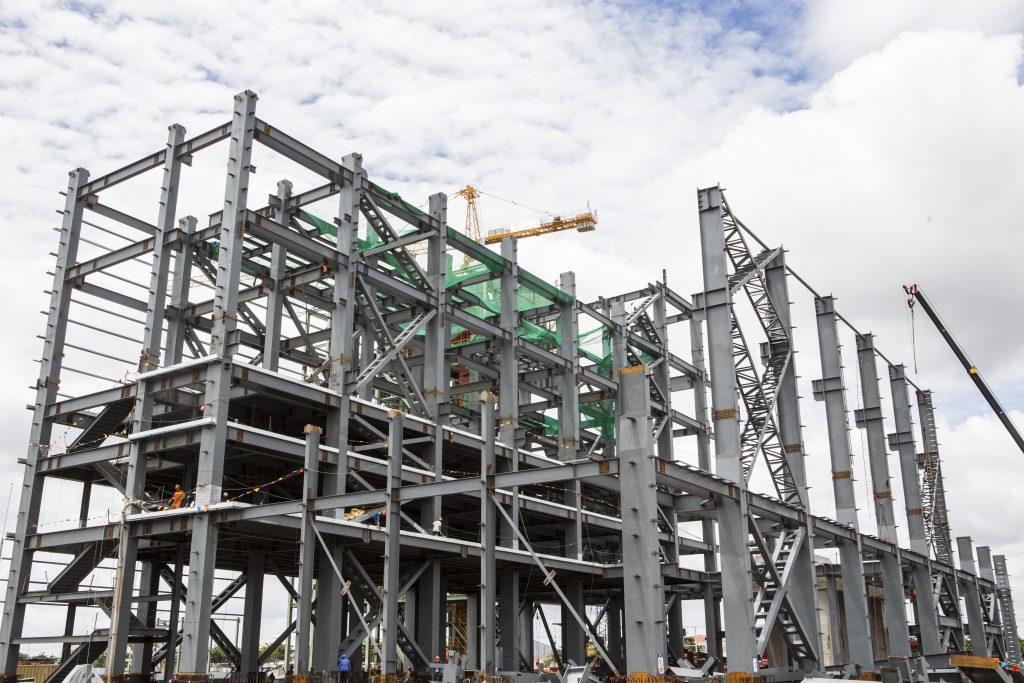
A knowledge-focused digital platform can help readers explore subjects that may otherwise appear complicated or difficult to understand. Structural engineering, construction planning, architectural design, and infrastructure development involve many connected principles. Understanding these subjects requires more than memorizing technical terms. Readers need explanations that connect theoretical concepts with real-world situations. A well-organized information resource can support this process by presenting ideas in a clear and approachable manner.
Structurespy Com can be viewed through the broader idea of making technical knowledge easier to explore. For example, someone interested in understanding how buildings remain stable may begin by learning about foundations, load distribution, supporting columns, and structural materials. These concepts become easier to understand when they are explained through practical examples. Similarly, readers exploring construction management may benefit from information about project planning, material selection, budgeting, and quality control. The value of a knowledge platform lies in helping readers connect individual ideas and develop a more complete understanding of a subject.
The Importance of Building Knowledge in Modern Industries
Understanding Changing Industry Requirements
Modern industries require individuals to continuously improve their knowledge because professional expectations and working methods change over time. Construction companies, engineering firms, and architectural practices increasingly depend on updated information to maintain quality, improve efficiency, and manage complex projects. Traditional knowledge remains important, but professionals must also understand new technologies, updated safety expectations, and modern approaches to project development.
For example, construction professionals now encounter digital planning systems, advanced surveying equipment, prefabricated building components, and more efficient material management methods. Understanding these developments can help workers make better decisions during different stages of a project. Students who learn about these changes early can also develop a stronger foundation for future professional responsibilities. Educational resources that explain industry developments in straightforward language can therefore support both beginners and experienced readers.
Connecting Theory With Practical Understanding
Theoretical knowledge provides the foundation for understanding how different systems work, but practical examples help explain why those principles matter. In structural engineering, learning about compression, tension, bending, and shear forces is important. However, seeing how these forces influence a bridge, residential building, or industrial structure makes the information more meaningful.
A reader studying construction materials, for instance, may understand that concrete offers strong compressive resistance. Practical learning adds further context by explaining how reinforcement helps concrete structures manage tensile forces. This connection between theory and application encourages deeper understanding. It also demonstrates why educational content should include explanations, examples, and real-world situations instead of relying entirely on technical definitions.
How Digital Platforms Support Modern Learning
Digital learning has become an important part of professional and personal development. People can now explore subjects whenever they have time, making knowledge more accessible to individuals with different schedules and experience levels. Instead of depending entirely on formal education, readers can supplement their learning through articles, digital publications, tutorials, and specialized educational resources.
One major advantage of digital learning is flexibility. A student can explore basic architectural concepts before attending a lecture, while a working professional can review information about new construction practices during a break. Digital content also allows readers to revisit complicated explanations whenever necessary. This repeated exposure can improve understanding and help individuals remember important information.
Important Topics That Contribute to Structural Knowledge
Structural knowledge covers several interconnected areas. Understanding these subjects can help readers develop a broader perspective on how buildings, bridges, and other infrastructure projects are planned and constructed.
Structural Engineering Fundamentals
Structural engineering focuses on designing systems capable of supporting different loads while maintaining stability and safety. Engineers examine factors such as material properties, environmental conditions, building dimensions, and expected usage before selecting suitable structural solutions. Foundations, beams, columns, slabs, and load-bearing walls are among the important components involved in many building systems.
Learning these fundamentals helps readers understand why structural decisions require careful calculations and professional evaluation. Even a small change in building design can influence how forces move through a structure. Developing basic knowledge of these relationships provides a useful starting point for anyone interested in engineering and construction.
Construction Materials and Their Applications
Materials influence the strength, durability, cost, and environmental performance of construction projects. Concrete, steel, timber, masonry, glass, and composite materials each offer different advantages and limitations. Choosing an appropriate material depends on project requirements, location, design expectations, available resources, and long-term maintenance considerations.
For example, steel is widely used in structures that require high strength and flexible design possibilities. Concrete is commonly selected for foundations, floors, and supporting elements because of its compressive strength and versatility. Timber can provide useful structural and aesthetic benefits when properly designed and protected. Understanding these differences helps readers recognize why material selection is an essential part of successful construction planning.
Architecture and Modern Building Design
Architecture combines creativity, functionality, environmental awareness, and technical requirements. Modern building design increasingly considers natural lighting, ventilation, energy efficiency, accessibility, and the overall experience of occupants. These factors influence how spaces are planned and how buildings interact with their surrounding environments.
Architectural knowledge also helps readers understand the relationship between appearance and structural performance. A visually attractive building must still satisfy engineering requirements, construction limitations, and relevant safety regulations. Collaboration between architects, structural engineers, contractors, and other specialists is therefore essential for producing effective building designs.
The Role of Technology in Knowledge Development
Technology has transformed how construction and engineering information is created, shared, and applied. Digital design software, building information modeling, cloud-based project management, and data analysis tools have become increasingly important in modern professional environments. These technologies allow teams to organize information, examine design alternatives, and coordinate project activities more effectively.
Building Information Modeling, commonly known as BIM, is an important example. It allows professionals to work with detailed digital representations of buildings and their components. Architects, engineers, and contractors can use shared project information to identify possible conflicts, improve coordination, and understand different stages of development. Such systems demonstrate how technical knowledge and digital innovation can work together.
| Knowledge Area | Main Focus | Practical Importance |
|---|---|---|
| Structural Engineering | Stability, strength, and load distribution | Supports safe structural design |
| Construction Materials | Properties and material selection | Improves durability and performance |
| Architecture | Space planning and building design | Creates functional environments |
| Digital Technology | BIM, automation, and data tools | Supports project coordination |
| Sustainability | Energy and resource efficiency | Encourages responsible development |
Why Accessible Technical Information Matters
Technical information can sometimes create difficulties for beginners because specialized subjects contain unfamiliar terminology, mathematical concepts, and complicated processes. Accessible educational content helps reduce these barriers by explaining important ideas through simple language and relevant examples. This approach allows readers to build confidence before exploring more advanced subjects.
Structurespy Com highlights the potential value of organizing information around structural and technical knowledge. Readers benefit when educational material follows a logical progression, beginning with fundamental concepts and gradually introducing more detailed discussions. For example, a beginner learning about building foundations should first understand soil conditions, structural loads, and foundation purposes before exploring different foundation designs.
Developing Better Learning Habits Through Digital Resources
Finding information is only the first step in building knowledge. Readers must also develop effective learning habits that help them understand, evaluate, and apply what they discover. Randomly reading multiple articles without a clear objective can create confusion, particularly when subjects involve technical details.
A more organized approach can make learning productive:
- Set clear learning goals: Identify the subject or skill you want to understand before beginning.
- Start with basic concepts: Build a strong foundation before exploring advanced technical discussions.
- Use practical examples: Connect theoretical information with real construction and engineering situations.
- Review important details: Revisit key concepts and compare information from credible sources.
These habits can help students and professionals make better use of digital educational resources. Taking notes, maintaining a list of unfamiliar terms, and reviewing previously learned concepts can also improve long-term understanding.
Challenges in Finding Reliable Online Knowledge

Although digital platforms offer many learning opportunities, the availability of information does not automatically guarantee accuracy. Some online articles may contain outdated explanations, incomplete details, or unsupported technical claims. This is particularly important in construction and engineering, where incorrect information can lead to misunderstandings about safety, materials, and design requirements.
Readers should consider the credibility of the information they encounter. Technical explanations should be checked against recognized standards, professional publications, manufacturer documentation, and relevant regulatory guidance. When information concerns structural calculations or actual construction decisions, qualified professionals should always be consulted.
Another challenge involves information overload. Readers may find several explanations of the same subject, sometimes with conflicting conclusions. The best approach is to compare reliable sources, identify the context behind each explanation, and avoid accepting technical claims without sufficient evidence. Structurespy Com can be considered within this broader learning environment, where the quality, clarity, and relevance of information matter as much as its availability.
The Future of Digital Knowledge and Structural Learning
The future of knowledge development will likely involve greater integration between digital education, advanced technologies, and practical industry experience. As construction methods evolve, learners will need to understand both established engineering principles and emerging innovations. Sustainable materials, energy-efficient buildings, smart infrastructure, automated construction equipment, and digital project coordination are areas that will continue to influence industry discussions.
Another important development is the growing interest in sustainability. Construction projects increasingly need to consider energy consumption, material waste, environmental impact, and the long-term performance of buildings. Knowledge about these subjects can help future professionals understand how design decisions influence communities and natural resources.
FAQs
1. What is Structurespy Com?
Structurespy Com is a keyword associated with exploring structural knowledge, technical information, and digital learning. It can be discussed in the context of construction, engineering, architecture, and the wider exchange of educational information. Readers should check the platform itself to confirm its actual services, available resources, and current features.
2. Why is structural knowledge important?
Structural knowledge helps people understand how buildings, bridges, and infrastructure systems are designed to maintain stability and support different loads. It also provides useful background for understanding construction materials, building safety, and engineering decisions. This knowledge is valuable for students, professionals, and individuals interested in the built environment.
3. How can digital platforms improve technical learning?
Digital platforms make educational information easier to access and revisit. They allow readers to explore different subjects at their own pace, understand unfamiliar terminology, and connect theoretical concepts with practical examples. When information is accurate and well-organized, online learning can support continuous personal and professional development.
4. Can beginners learn about engineering through online resources?
Yes, beginners can develop a basic understanding of engineering through educational articles, tutorials, technical explanations, and introductory learning materials. Starting with fundamental concepts and gradually exploring advanced topics is an effective approach. However, online resources should complement formal education and professional guidance rather than replace them.
5. What role does technology play in modern construction?
Technology supports modern construction through digital design, building information modeling, project management systems, automation, and data analysis. These tools can improve coordination, reduce certain planning errors, and help project teams manage information. Their effectiveness depends on appropriate implementation and professional supervision.
6. How can readers identify reliable technical information?
Readers should examine the source, publication date, supporting evidence, and technical references behind an article. Important information should be compared with recognized engineering standards and credible professional publications. For decisions involving actual construction or structural safety, guidance from qualified professionals is essential.
Conclusion
Building knowledge is an ongoing process that requires curiosity, reliable information, practical understanding, and a willingness to adapt to changing developments. In construction, architecture, and engineering, learning about structural principles, materials, design methods, and emerging technologies can help individuals develop a more complete understanding of the built environment.
Structurespy Com provides an opportunity to explore the broader connection between structural topics and digital knowledge development. The growing availability of online educational resources demonstrates how people can discover technical concepts, improve their understanding, and stay informed about industry developments. However, the usefulness of any information platform depends on the accuracy, relevance, and clarity of the material it provides.
Ultimately, successful learning involves more than collecting information. It requires evaluating sources, connecting theory with practical examples, and applying knowledge responsibly. By developing these habits and remaining open to new ideas, readers can strengthen their understanding and prepare themselves for the opportunities and challenges emerging across modern construction and engineering.
