

Introduction
The construction industry has experienced a remarkable transformation over the last decade. From traditional building methods to advanced digital technologies, today’s construction sector focuses on efficiency, sustainability, safety, and innovation. Professionals, homeowners, architects, and engineers increasingly rely on trusted online resources to stay informed about these changes. One platform gaining attention for its construction-related insights is structurespy com. It offers valuable information about building technologies, design concepts, infrastructure developments, and industry best practices.
Whether someone is planning a residential project, managing commercial construction, or simply interested in learning about modern engineering, reliable information plays a vital role in making informed decisions. The construction landscape now includes smart materials, green building certifications, Building Information Modeling (BIM), modular construction, artificial intelligence, and automation. These innovations have significantly improved project planning, execution, and long-term building performance.
In today’s competitive environment, understanding these developments helps professionals reduce costs, improve safety, and complete projects more efficiently. This guide explains how structurespy com helps readers understand modern construction trends while exploring the technologies, practices, and future developments shaping the global construction industry.
Why Modern Construction Is Rapidly Changing
Construction is no longer limited to bricks, cement, and manual labor. Today’s projects involve advanced planning software, automated machinery, drones, smart sensors, and environmentally friendly materials. Governments and private developers are demanding buildings that consume less energy, produce fewer emissions, and provide healthier environments for occupants.
Digital transformation has also changed project management. Cloud collaboration allows architects, contractors, engineers, and clients to work together in real time, reducing communication delays and minimizing costly mistakes. Platforms like structurespy com help readers understand these evolving practices by presenting industry developments in an easy-to-understand format.
Modern construction now focuses equally on quality, sustainability, and long-term performance rather than simply completing projects quickly.
How Structurespy Com Supports Construction Knowledge
One reason readers appreciate structurespy com is its broad coverage of construction-related topics. Instead of focusing on only one area, it explores multiple aspects of the building industry, making it useful for both beginners and experienced professionals.
The platform discusses construction planning, engineering innovations, structural design principles, sustainable development, and project management techniques. This combination allows readers to build a well-rounded understanding of modern construction without needing multiple resources.
Another advantage is its ability to explain complex engineering concepts using practical language. Rather than overwhelming readers with technical terminology, information is presented clearly so homeowners, students, and professionals can all benefit.
Major Trends Transforming Construction Today
Smart Construction Technologies
Technology has become one of the strongest drivers of construction innovation. Smart equipment, artificial intelligence, robotics, and connected devices are improving productivity across construction sites worldwide.
Machine learning helps predict equipment maintenance, while drones perform aerial inspections that once required expensive manual surveys. Smart helmets monitor worker safety, wearable devices track health conditions, and sensors continuously monitor structural performance.
These technologies reduce project delays while improving quality control. As highlighted by structurespy com, digital innovation is becoming an essential part of successful construction projects rather than an optional investment.
Building Information Modeling (BIM)
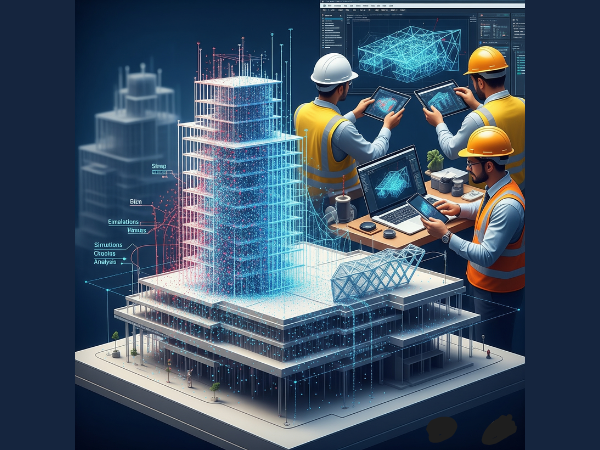
Building Information Modeling has transformed how buildings are designed and constructed. Instead of relying on separate architectural drawings, BIM creates a complete digital model containing structural, electrical, plumbing, and mechanical information.
This integrated approach allows all project participants to identify design conflicts before construction begins, reducing rework and saving both time and money. Contractors also use BIM throughout maintenance and facility management after project completion.
Sustainable Construction Practices
Environmental responsibility has become one of the construction industry’s highest priorities. Governments worldwide are introducing stricter environmental regulations while customers increasingly demand energy-efficient buildings.
Sustainable construction includes efficient insulation, solar integration, recycled materials, rainwater harvesting, energy-efficient lighting, and environmentally friendly concrete alternatives.
The growing popularity of green building certifications demonstrates how sustainability has evolved from a niche concept into a standard industry expectation. According to discussions often featured on structurespy com, environmentally responsible construction also creates long-term financial benefits by reducing operating costs.
Benefits of Sustainable Construction
- Lower energy consumption throughout the building’s lifecycle
- Reduced maintenance and operational costs
- Improved indoor air quality and occupant comfort
- Better environmental protection through lower carbon emissions
Construction Materials Driving Innovation
Construction materials continue evolving to meet modern performance expectations. Traditional materials remain important, but innovative alternatives now offer greater durability, energy efficiency, and environmental sustainability.
Self-healing concrete can repair small cracks automatically, extending infrastructure lifespan. Cross-laminated timber offers strength comparable to concrete while reducing carbon emissions. High-performance insulation improves energy efficiency, while advanced steel alloys increase structural durability.
These innovations reduce maintenance requirements while supporting sustainable building objectives.
| Construction Innovation | Primary Benefit | Modern Application |
|---|---|---|
| Building Information Modeling | Improved planning | Residential & commercial projects |
| Modular Construction | Faster completion | Housing, offices, hospitals |
| Smart Sensors | Real-time monitoring | Bridges, towers, infrastructure |
| Green Materials | Sustainability | Eco-friendly buildings |
| Drones | Site inspection | Surveying and monitoring |
Modular and Prefabricated Construction
Modular construction has become increasingly popular due to its efficiency and cost-effectiveness. Instead of building everything on-site, many structural components are manufactured in controlled factory environments before transportation to construction locations.
This approach significantly reduces weather-related delays, improves quality control, and minimizes material waste. Hospitals, schools, hotels, apartment complexes, and commercial buildings increasingly utilize prefabricated construction methods.
The growing interest in modular construction reflects the industry’s broader movement toward faster project delivery without sacrificing quality.
Digital Project Management
Construction management software has replaced many traditional paper-based systems. Modern platforms help managers schedule work, track budgets, monitor progress, assign resources, and communicate with teams instantly.
Cloud-based collaboration enables architects, engineers, contractors, suppliers, and clients to access project information from anywhere. This improves transparency while reducing misunderstandings between project participants.
Resources like structurespy com emphasize that digital project management has become essential for handling today’s increasingly complex construction projects.
Construction Safety in the Modern Era
Worker safety remains one of construction’s highest priorities. New technologies are helping reduce workplace accidents while improving emergency response capabilities.
Modern safety systems include wearable devices, AI-powered surveillance cameras, drone inspections, hazard detection software, and real-time environmental monitoring.
Companies are also investing heavily in worker training, virtual reality safety simulations, and predictive analytics that identify potential hazards before accidents occur.
These developments demonstrate that technology improves not only productivity but also workforce protection.
Essential Factors for Successful Construction Projects
- Comprehensive project planning before construction begins
- Continuous communication among all stakeholders
- Regular quality inspections throughout project execution
- Adoption of modern technology for better efficiency
- Strong commitment to safety and environmental standards
Challenges Facing Today’s Construction Industry
Although technology offers significant benefits, construction companies continue facing several major challenges. Rising material costs, labor shortages, supply chain disruptions, regulatory compliance, and increasing environmental expectations require constant adaptation.
Economic uncertainty can also delay investments, making cost management more important than ever. Additionally, integrating advanced technologies requires workforce training and organizational change.
Industry knowledge shared through structurespy com helps readers understand how companies are overcoming these challenges using innovative strategies and smarter project planning.
The Future of Construction
The future of construction will likely involve even greater automation, digital collaboration, and sustainability. Artificial intelligence will optimize scheduling, autonomous equipment will handle repetitive tasks, and digital twins will improve infrastructure maintenance.
3D printing technology is already producing homes, bridges, and customized building components. Meanwhile, carbon-neutral construction practices will continue gaining global importance as governments pursue ambitious climate goals.
Smart cities will further integrate buildings, transportation systems, renewable energy, and digital infrastructure into connected urban environments.
As these technologies mature, platforms like structurespy com will continue serving as valuable educational resources for individuals interested in understanding industry developments.
Why Reliable Construction Information Matters
Making informed construction decisions requires access to trustworthy information. Whether selecting materials, evaluating contractors, understanding regulations, or adopting new technologies, reliable knowledge reduces costly mistakes.
Educational platforms help bridge the gap between complex engineering concepts and practical applications. This benefits homeowners planning renovations, students studying civil engineering, investors evaluating infrastructure opportunities, and professionals seeking industry updates.
The continued growth of digital learning resources reflects the increasing importance of accessible construction education in today’s rapidly evolving marketplace.
Frequently Asked Questions
What is structurespy com?
Structurespy com is an online resource that discusses modern construction, engineering developments, infrastructure trends, sustainable building practices, and innovative technologies shaping today’s construction industry.
Who can benefit from reading structurespy com?
Construction professionals, architects, engineers, homeowners, students, contractors, developers, and anyone interested in modern building technologies can benefit from the information available on structurespy com.
Why is sustainable construction becoming so important?
Sustainable construction reduces environmental impact, lowers operating costs, improves energy efficiency, enhances occupant comfort, and supports long-term environmental goals through responsible building practices.
What technologies are changing construction the most?
Artificial intelligence, Building Information Modeling (BIM), drones, robotics, IoT sensors, cloud collaboration, modular construction, and advanced construction materials are transforming how projects are designed and completed.
How does digital project management improve construction?
Digital management systems improve communication, reduce project delays, enhance budget tracking, simplify scheduling, increase transparency, and help teams coordinate more effectively throughout construction.
Why should construction professionals stay updated with industry trends?
The construction industry evolves rapidly through technological innovation, regulatory changes, sustainability requirements, and new materials. Staying informed helps professionals remain competitive, improve project outcomes, and adopt more efficient building practices.
Conclusion
Modern construction continues evolving through technological innovation, environmental responsibility, and smarter project management. Digital tools, sustainable materials, modular building methods, and artificial intelligence are reshaping every stage of the construction process. Understanding these changes allows professionals and property owners to make better decisions while improving efficiency, safety, and long-term value.
As the industry embraces smart infrastructure and environmentally conscious development, educational resources become increasingly valuable. Structurespy com provides readers with practical insights into today’s construction landscape, helping them understand emerging technologies, sustainable practices, and engineering advancements. Whether exploring residential projects, commercial developments, or future construction trends, staying informed through trusted industry resources ensures better planning and greater success in an ever-changing built environment.
