

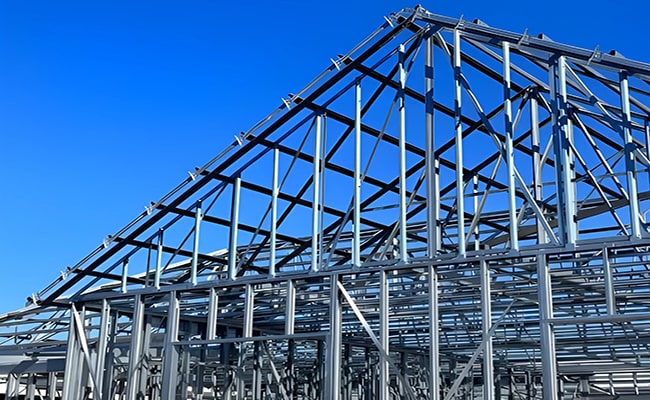
Introduction
Digital technology is changing how industries operate, communicate, and develop solutions for the future. From artificial intelligence and automation to intelligent infrastructure and advanced construction techniques, technological innovation has become an essential part of modern development. The construction and structural engineering industries are experiencing particularly significant changes as digital tools improve project planning, building performance, safety, and sustainability. These developments are creating opportunities for professionals to design smarter structures while reducing operational challenges and improving long-term efficiency.
In this evolving environment, structurespy com represents a relevant topic for exploring the relationship between digital technology, structural engineering, and modern construction innovation. Understanding these developments helps readers recognize how digital solutions influence building design, construction management, and infrastructure planning. As industries increasingly depend on connected systems and intelligent software, the importance of digital transformation continues to expand.
Today, technological progress is not limited to sophisticated machinery or advanced computer programs. It also involves integrating data, improving collaboration, and making informed decisions throughout the construction lifecycle. Digital transformation is gradually reshaping traditional practices, encouraging engineers, architects, contractors, and property developers to adopt more efficient and sustainable approaches.
Understanding the Role of Digital Technology in Modern Construction
Digital technology has introduced substantial improvements in the construction industry by transforming how projects are designed, monitored, and completed. Traditional construction methods often relied on manual calculations, paper documentation, and communication between separate departments. Although these approaches remain useful in certain situations, they can create delays, increase administrative work, and make complex projects difficult to coordinate.
Modern digital platforms address these limitations by connecting design information, project schedules, material requirements, and operational data. Engineers can develop detailed structural models, architects can visualize design concepts, and contractors can coordinate activities using shared digital environments. This interconnected approach improves communication while reducing the possibility of errors caused by outdated information.
The broader discussion surrounding structurespy com reflects growing interest in how engineering knowledge and digital innovation intersect. As construction projects become more complex, professionals increasingly need reliable information about emerging technologies, structural systems, and practical implementation strategies. Understanding these subjects supports better decision-making and encourages continuous improvement across the industry.
How Artificial Intelligence Is Changing Structural Engineering
Artificial intelligence has become one of the most influential technologies affecting engineering and construction. AI-powered systems can analyze large datasets, identify patterns, and support predictions that would otherwise require considerable manual effort. These capabilities help professionals evaluate design alternatives, assess potential risks, and improve construction planning.
For example, machine learning algorithms can examine historical project information to identify conditions associated with schedule delays or cost overruns. Engineers can also use AI-assisted design tools to explore structural configurations based on specific performance requirements. Instead of manually evaluating every possible option, professionals can review computer-generated alternatives and select solutions that meet engineering standards.
However, artificial intelligence does not eliminate the need for professional expertise. Engineering decisions still require technical judgment, regulatory compliance, and appropriate verification. AI is most valuable when used as a supporting technology that strengthens human decision-making rather than replacing it.
AI-Powered Predictive Analysis and Risk Management
Predictive analysis is particularly valuable in projects involving complex infrastructure or demanding environmental conditions. By examining sensor readings, historical maintenance records, and structural performance data, intelligent systems can help identify unusual conditions before they develop into serious problems.
For instance, monitoring systems installed on bridges can collect information about vibration, temperature, and structural movement. Analytical software can identify changes that deserve further investigation, allowing engineers to prioritize inspections and maintenance activities. This approach can improve asset management and potentially reduce unexpected disruptions.
Predictive systems are not infallible, however. Their reliability depends on data quality, appropriate models, and professional interpretation. Regular calibration and human oversight remain essential for dependable results.
Building Information Modeling and Digital Construction Planning
Building Information Modeling, commonly known as BIM, has transformed how construction professionals develop and manage project information. Unlike conventional two-dimensional drawings, BIM environments can combine three-dimensional representations with information about materials, dimensions, structural components, and construction requirements.
This technology enables project teams to visualize buildings before physical construction begins. Engineers can evaluate structural arrangements, architects can review spatial relationships, and contractors can identify coordination problems between different building systems. Detecting these issues during the planning stage can reduce costly modifications later.
BIM also supports information management throughout the building lifecycle. When project records are maintained accurately, facility managers can use them to understand equipment locations, maintenance requirements, and building components after construction is complete.
Within discussions associated with structurespy com, BIM provides an important example of how digital transformation connects technical knowledge with practical construction improvements. Its value extends beyond attractive visual models because it helps teams organize information and coordinate responsibilities.
Digital Twins and Real-Time Infrastructure Monitoring
Digital twin technology takes digital modeling further by connecting a virtual representation of a physical asset with information collected from the real world. Sensors, inspection records, and operational systems can provide updates that help engineers understand how infrastructure behaves over time.
A digital twin of a commercial building, for example, might combine information about energy consumption, indoor temperatures, equipment performance, and occupancy patterns. Facility managers can use this information to identify inefficiencies and evaluate maintenance priorities.
For infrastructure such as bridges, tunnels, and transportation networks, digital twins can support long-term asset management. Their effectiveness depends on accurate modeling, reliable data collection, and ongoing maintenance of the digital representation.
Smart Construction Technologies and Their Applications
Smart construction involves using connected equipment, automated systems, digital monitoring tools, and advanced software to improve building activities. These technologies can reduce repetitive tasks, improve coordination, and provide better visibility into construction progress.
Modern construction sites may use drones for aerial surveys, connected sensors for environmental monitoring, and digital project management systems for scheduling. Automated machinery can support certain repetitive operations, while computer vision systems may help identify visible safety hazards or monitor work progress.
Several technologies are becoming increasingly important:
- Construction drones: Support aerial inspections, site surveys, and progress documentation.
- Internet of Things sensors: Collect information about equipment, environmental conditions, and structural behavior.
- Robotic systems: Assist with selected repetitive, precise, or physically demanding construction activities.
- Cloud-based platforms: Improve document sharing, project coordination, and remote collaboration.
- Augmented reality: Help professionals visualize digital design information within physical construction environments.
These technologies offer considerable potential, but successful adoption requires careful planning. Organizations must evaluate equipment costs, employee training, data security, and compatibility with existing processes.
Comparison of Traditional and Digital Construction Methods
The following table illustrates how digital approaches can change common construction activities.
| Construction Area | Traditional Approach | Digital Technology Approach |
|---|---|---|
| Project design | Manual drawings and separate design files | BIM and coordinated digital models |
| Site inspection | Primarily physical inspections | Physical inspections supported by drones and sensors |
| Project communication | Paper records, meetings, and email | Shared cloud-based project environments |
| Risk assessment | Manual reviews and historical experience | Data analysis and predictive modeling |
| Equipment maintenance | Scheduled or reactive maintenance | Condition monitoring and predictive maintenance |
| Building performance | Periodic manual evaluation | Connected monitoring and digital twin analysis |
The comparison demonstrates that digital technology generally enhances established engineering practices rather than making them unnecessary. Physical inspections, professional calculations, and regulatory checks remain fundamental to construction quality and public safety.
Sustainable Construction and Environmentally Responsible Innovation
Sustainability has become a major priority for the construction industry as governments, businesses, and communities seek to reduce environmental impacts. Digital technology supports this objective by helping professionals evaluate energy requirements, material consumption, construction waste, and building performance.
Energy modeling software allows designers to estimate how buildings may perform under different environmental conditions. Engineers can compare insulation strategies, glazing options, ventilation systems, and renewable energy configurations before construction begins. These simulations help project teams make informed decisions about long-term energy efficiency.
Digital material tracking can also support more responsible resource management. Construction teams can monitor purchasing, deliveries, and material use to identify unnecessary waste. Lifecycle assessment tools provide another opportunity to examine environmental impacts associated with material production, transportation, construction, maintenance, and eventual disposal.
The relationship between sustainability and structurespy com highlights the importance of understanding both technical innovation and environmental responsibility. Modern construction increasingly requires solutions that balance structural performance, affordability, resource efficiency, and long-term resilience.
The Growing Importance of Smart Buildings
Smart buildings use connected technologies to monitor and control selected building systems. Lighting, heating, ventilation, security, and energy management can be coordinated through centralized platforms or automated controls.
For example, occupancy sensors can adjust lighting in unused spaces, while intelligent temperature controls can respond to changing building conditions. These systems may reduce unnecessary energy consumption when properly configured and maintained.
Smart buildings also provide useful operational information. Facility managers can analyze equipment performance, investigate unusual energy consumption, and identify opportunities for maintenance improvements. Nevertheless, cybersecurity, system compatibility, and occupant privacy must be considered during implementation.
Cloud Computing and the Future of Engineering Collaboration
Cloud computing has changed how construction and engineering teams access information and collaborate across locations. Projects often involve architects, structural engineers, contractors, consultants, and clients working from different offices or geographical regions. Without effective coordination, maintaining consistent documentation can become difficult.
Cloud-based platforms provide shared environments where authorized users can access project files, review updates, and communicate about ongoing activities. When properly managed, these systems reduce confusion caused by multiple document versions and make important information more accessible.
For example, a structural engineer may update a design model while an architect reviews related changes and a contractor checks construction requirements. Shared information can help the team identify coordination issues earlier, although formal approval processes are still necessary.
Cloud computing also supports remote monitoring and data analysis. However, organizations must implement suitable access controls, backups, cybersecurity measures, and contractual safeguards to protect sensitive project information.
How Automation Is Improving Construction Efficiency
Automation is gradually transforming construction workflows by reducing manual effort in selected activities. Digital scheduling tools, automated quantity calculations, robotic equipment, and software-assisted documentation can improve consistency and help teams manage repetitive processes.
In structural engineering, automated calculations can support preliminary design exploration and routine checks. Construction management systems can organize schedules, track progress, and generate reports using updated project information. Manufacturing facilities may also use automated processes to produce prefabricated building components with controlled dimensions.
The growing interest in structurespy com can be considered alongside these wider technological developments, particularly the demand for accessible explanations of advanced engineering methods. Understanding automation helps professionals distinguish between applications that provide measurable benefits and technologies that may not suit every project.
Automation requires realistic expectations. Site conditions vary, construction activities involve complex human judgment, and automated systems require maintenance and supervision. The most effective strategies combine technological efficiency with experienced professional oversight.
Cybersecurity and Data Protection in Digital Infrastructure
As construction systems become increasingly connected, cybersecurity is emerging as an important operational concern. Digital building controls, cloud platforms, connected machinery, and infrastructure monitoring systems may contain sensitive information or provide access to essential operations.
Unauthorized access could expose confidential design documents, disrupt equipment monitoring, or interfere with connected building systems. Consequently, cybersecurity should be considered throughout the planning, implementation, and maintenance stages of digital construction projects.
Organizations can improve digital resilience through several practical measures:
- Implement strong authentication and appropriate access permissions.
- Maintain regular software updates and security patches.
- Protect important project information through secure backups.
- Train employees to recognize phishing attempts and suspicious activity.
Cybersecurity is not simply an information technology responsibility. Engineers, facility managers, contractors, and equipment suppliers all contribute to maintaining secure digital environments.
Challenges Affecting Digital Transformation in Construction
Despite its advantages, digital transformation presents several challenges. One of the most significant is the initial investment required for software, equipment, infrastructure, and workforce development. Smaller construction companies may find it difficult to adopt advanced systems without clear financial benefits.
Another challenge involves technical compatibility. Construction projects frequently rely on different software applications and equipment suppliers. When these systems cannot exchange information effectively, organizations may experience duplicated work or inconsistent records.
Workforce readiness is equally important. Experienced professionals may need additional training to use digital modeling systems, analytical software, and connected equipment confidently. Successful transformation therefore requires investment in both technology and people.
Data quality presents another concern. Digital systems cannot provide dependable results when their underlying information is inaccurate, incomplete, or outdated. Organizations must establish suitable procedures for collecting, reviewing, and maintaining project information.
Ultimately, technology adoption should address specific operational needs rather than follow industry trends without a clear purpose.
The Future of Structural Engineering and Digital Innovation
Looking ahead, structural engineering is likely to become more closely connected with intelligent modeling, advanced materials, automated analysis, and continuous infrastructure monitoring. These developments may help professionals design buildings that respond more effectively to changing environmental and operational demands.
Generative design is one promising area. Computational systems can explore multiple design alternatives according to defined constraints, such as material quantities, geometric requirements, and structural performance targets. Engineers can then evaluate these options against safety requirements, practical construction considerations, and project budgets.
Advanced sensing technologies may also support improved monitoring of aging infrastructure. As bridges, public buildings, and transportation networks require ongoing maintenance, digital information can help asset owners prioritize inspections and allocate resources more effectively.
The future relevance of structurespy com as a technology-related search topic can be understood through this wider shift toward accessible engineering information. Professionals and interested readers increasingly benefit from explanations that connect emerging innovations with real construction challenges.
However, progress will depend on more than technological sophistication. Regulatory standards, financial feasibility, workforce development, environmental responsibility, and public safety will continue to shape the practical adoption of new engineering solutions.
Frequently Asked Questions
1. What is the relationship between structurespy com and digital technology?
The keyword structurespy com can be explored in the context of structural engineering, building technology, and digital construction innovation. Important related subjects include artificial intelligence, Building Information Modeling, infrastructure monitoring, automation, and sustainable construction. These technologies help explain how the engineering industry is evolving, although specific services or capabilities of a particular website should be verified independently.
2. How does digital technology improve structural engineering?
Digital technology supports structural engineering by improving modeling, calculations, information management, and project coordination. Engineers can evaluate different design options, identify potential conflicts, and organize technical documentation more effectively. Connected monitoring systems can also provide information about structural performance after construction. These benefits depend on reliable data, appropriate software, and professional engineering verification.
3. Why is artificial intelligence important in modern construction?
Artificial intelligence can analyze large amounts of project information and identify patterns that support better planning and risk management. It may help forecast scheduling problems, evaluate design alternatives, and recognize unusual equipment or infrastructure conditions. AI is particularly useful for supporting complex decisions, but it does not replace qualified engineers or established safety procedures.
4. What role does sustainability play in digital construction?
Sustainability encourages the construction industry to use resources efficiently, reduce waste, and improve building performance. Digital modeling and lifecycle assessment tools help professionals compare materials, estimate energy requirements, and evaluate environmental impacts. These technologies support informed decisions that can contribute to more environmentally responsible construction practices.
5. What are the biggest challenges of adopting digital construction technologies?
Common challenges include implementation costs, workforce training, software compatibility, cybersecurity risks, and data management requirements. Companies must also determine whether a particular technology offers practical value for their projects. Successful adoption usually involves clear objectives, employee participation, suitable technical support, and continuous performance evaluation.
6. How will digital transformation influence future infrastructure projects?
Digital transformation is expected to support more connected planning, construction, and infrastructure maintenance processes. Technologies such as digital twins, intelligent sensors, AI-assisted analysis, and cloud collaboration may help project teams improve coordination and identify maintenance needs earlier. Their long-term effectiveness will depend on responsible implementation, reliable information, and continued professional oversight.
Conclusion
Digital technology is transforming structural engineering and construction by introducing more connected, efficient, and information-driven approaches. Artificial intelligence, Building Information Modeling, cloud computing, automation, and intelligent monitoring systems are changing how professionals design buildings, coordinate projects, and maintain infrastructure. These innovations offer opportunities to improve productivity, strengthen collaboration, reduce unnecessary resource consumption, and support long-term building performance.
The broader discussion surrounding structurespy com demonstrates why understanding modern engineering technology is increasingly valuable. As construction becomes more complex and sustainability requirements continue to develop, professionals need practical knowledge of emerging digital tools and their applications.
The most successful future construction projects will not depend on technology alone. They will combine engineering expertise, reliable data, responsible innovation, and careful planning. By adopting digital solutions where they provide genuine value, the construction industry can move toward safer, smarter, and more sustainable infrastructure while maintaining the technical standards essential for lasting structural performance.
