

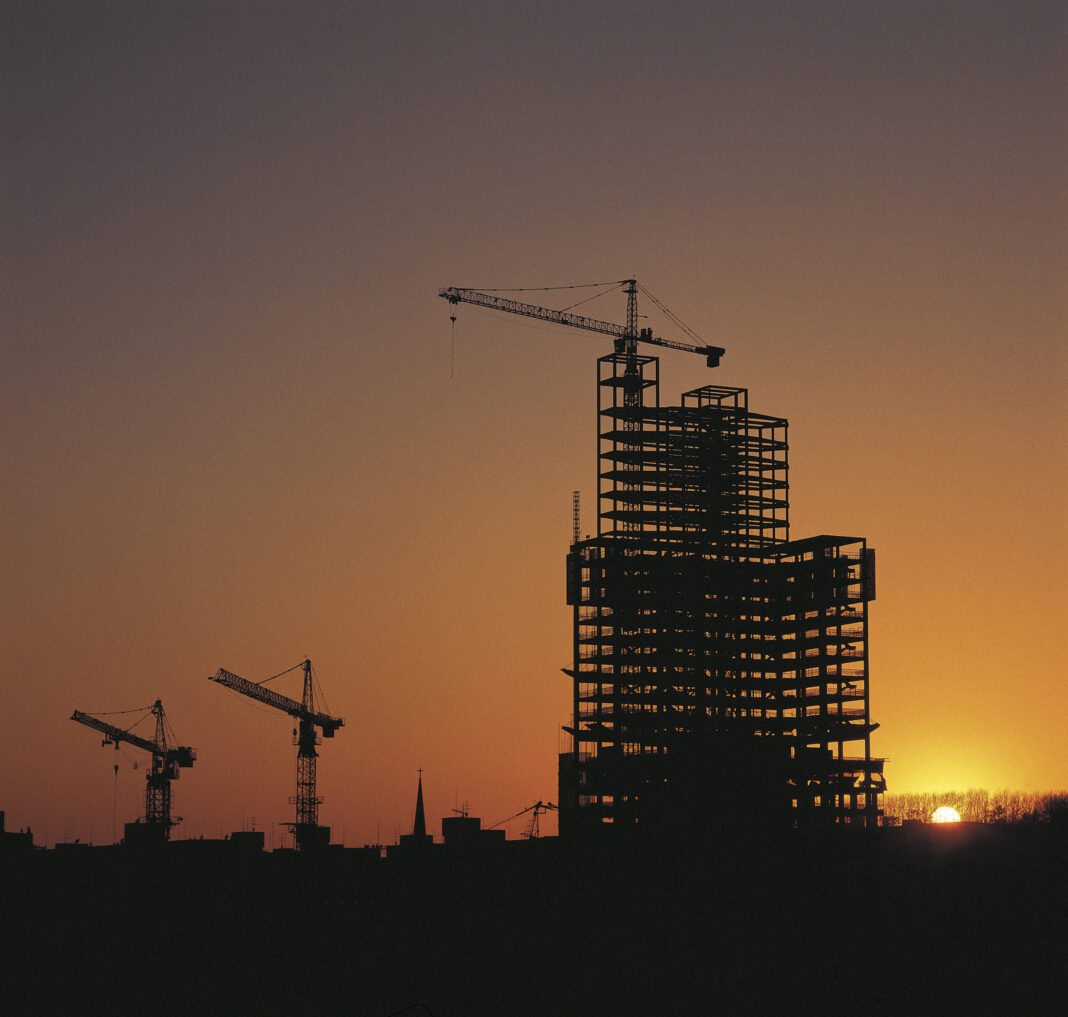
Introduction
Structural innovation has become an important part of the modern construction and engineering industry. As cities expand, infrastructure requirements increase, and environmental challenges become more demanding, the need for stronger, smarter, and more sustainable structures continues to grow. Engineers, architects, designers, and construction professionals are exploring new approaches that improve building performance while reducing unnecessary costs and resource consumption. From advanced construction materials to digital modelling systems, modern developments are changing how structures are planned, designed, and constructed. Understanding these changes helps people appreciate the relationship between traditional engineering principles and emerging technologies.
In this changing environment, structurespy com represents an opportunity to explore structural concepts, construction developments, and practical engineering knowledge through an accessible digital perspective. People interested in architecture, infrastructure, and modern building practices increasingly look for information that explains complicated technical subjects in understandable language. A knowledge-focused platform can help connect these interests by presenting ideas about construction methods, structural design, material selection, and technological improvements. Such information is valuable not only to industry professionals but also to students, researchers, property developers, and readers who want to understand how modern buildings are evolving.
Understanding the Meaning of Structural Innovation
Structural innovation refers to the development and application of new ideas, materials, technologies, and engineering methods that improve the performance of buildings and infrastructure. It combines scientific knowledge with practical construction experience to solve challenges involving strength, stability, durability, and functionality. Traditional engineering principles remain essential, but modern projects increasingly benefit from advanced analytical tools and improved construction techniques.
For example, an engineer designing a large commercial building must consider more than the appearance of the structure. The design needs to account for wind pressure, earthquake activity, foundation conditions, building occupancy, and material behaviour. Innovative engineering methods make it possible to examine these factors more accurately before construction begins. Digital simulations can help identify weaknesses, compare alternative designs, and improve decisions during the planning stage.
How Digital Technology Is Transforming Structural Engineering
Digital technology has become one of the most influential developments in modern structural engineering. Computer-aided design, Building Information Modelling (BIM), structural analysis software, and simulation technologies allow professionals to examine projects in greater detail. Instead of depending entirely on traditional drawings and manual calculations, engineering teams can work with coordinated digital models that contain information about different building components.
Building Information Modelling is particularly valuable because it connects architectural, structural, and building-services information within a shared project environment. When architects modify a building layout, structural engineers can review how those changes affect columns, beams, foundations, and other elements. This improves coordination and can reduce conflicts that might otherwise appear during construction. Digital collaboration is especially useful for large projects involving multiple contractors and technical specialists.
The Importance of Digital Structural Modelling
Digital structural modelling allows engineers to understand how a proposed structure may respond to different conditions. Models can represent the interaction between structural elements and help professionals evaluate loads, deformation, and stability. For instance, a bridge model can be examined under different traffic conditions to understand how its components may respond to changing forces.
This approach also supports better communication between project participants. Visual models make complicated engineering information easier to understand, allowing clients and construction teams to review design intentions before work begins. Platforms such as structurespy com can provide an accessible starting point for readers interested in understanding these digital developments and their influence on modern construction.
Advanced Materials Are Changing Construction Possibilities
Construction materials directly influence the strength, durability, cost, and environmental performance of buildings. Concrete, steel, timber, and masonry continue to play important roles, but research into advanced materials is expanding the possibilities available to engineers. Modern construction increasingly focuses on materials that provide improved performance without creating unnecessary environmental pressure.
High-performance concrete is one example. It can offer improved strength and durability compared with conventional concrete when properly designed and produced. Fibre-reinforced concrete introduces fibres into the mixture to help control cracking and improve certain mechanical properties. These materials can be useful in infrastructure projects where long-term performance and resistance to demanding conditions are important.
Engineered timber is another growing area of interest. Cross-laminated timber and other engineered wood products can provide structural applications in buildings while making use of renewable resources when sourced responsibly. Their successful use requires careful consideration of fire protection, moisture management, connections, and applicable building regulations.
| Modern material | Main characteristics | Potential applications |
|---|---|---|
| High-performance concrete | Improved strength and durability | Bridges, foundations, commercial structures |
| Cross-laminated timber | Engineered strength and lower structural weight | Residential and commercial buildings |
| Fibre-reinforced concrete | Improved crack-control characteristics | Industrial floors and infrastructure |
| Recycled steel | Reusable structural material | Building frames and industrial structures |
| Self-healing concrete | Designed to repair certain small cracks | Selected infrastructure applications |
Material selection should always depend on project requirements, local conditions, availability, and engineering calculations. A material that performs exceptionally well in one environment may not be the best choice for another. This is why modern structural design combines material research with practical evaluation.
Sustainable Design Is Becoming a Construction Priority
Sustainability has moved from being an additional consideration to becoming a central part of many construction decisions. Buildings consume significant amounts of energy and materials throughout their life cycles. Their construction, operation, maintenance, and eventual replacement can create environmental impacts. Structural innovation therefore increasingly focuses on reducing waste, improving resource efficiency, and extending the useful life of infrastructure.
One important strategy involves designing structures that use materials efficiently. Engineers can examine how loads move through a building and arrange structural components to achieve the required performance without unnecessary material consumption. Efficient structural layouts may reduce the quantity of concrete or steel required while maintaining safety standards.
Another important approach is adaptive reuse. Instead of demolishing an existing building, developers may evaluate whether it can be renovated or repurposed for a different function. Reusing a suitable structure can reduce demolition waste and avoid some of the environmental impacts associated with producing and transporting new materials.
Practical Approaches to Sustainable Structural Design
Several approaches are helping construction professionals improve environmental performance:
-
Selecting responsibly sourced and recycled construction materials.
-
Designing structures for durability, maintenance, and longer service life.
-
Reducing construction waste through accurate planning and material estimation.
-
Evaluating existing buildings for renovation and adaptive reuse.
-
Integrating energy-efficient design principles into building projects.
These approaches demonstrate that sustainability is not achieved through one product or technology. It requires coordinated decisions throughout the entire project lifecycle.
The Growing Role of Automation and Smart Construction
Automation is gradually changing the way construction projects are organised and completed. Modern construction sites increasingly use digital equipment, automated machinery, drones, and robotic systems to support specific tasks. These technologies can improve accuracy, assist with inspections, and reduce the amount of repetitive work required from construction teams.
Robotic equipment can support activities such as bricklaying, material handling, and selected repetitive construction operations. Automated machinery may also improve precision in environments where consistent measurements and controlled processes are important. Although these technologies are developing, their adoption depends on project budgets, site conditions, workforce skills, and technical requirements.
Drones have become useful tools for surveying and monitoring construction sites. They can capture aerial images, create site maps, and help project managers monitor progress. When combined with suitable software, drone data can provide useful information about construction activities and site conditions.
Improving Structural Safety and Disaster Resistance
Safety remains the foundation of structural engineering. Regardless of how innovative a building appears, it must be designed to withstand the conditions expected during its service life. Engineers consider different types of forces, including gravity loads, wind pressure, seismic activity, temperature changes, and other environmental influences.
Earthquake-resistant design is especially important in regions exposed to seismic activity. Engineers use suitable structural systems, ductile detailing, reinforced connections, and carefully designed foundations to help buildings respond safely to earthquake forces. The objective is not simply to make a structure rigid but to ensure that it can behave predictably under demanding conditions.
Wind-resistant engineering is equally important for tall buildings, bridges, and exposed structures. Wind can create pressure, movement, and vibration that influence structural performance. Engineers use analytical methods and, where appropriate, wind-tunnel testing to examine these effects.
The Connection Between Architecture and Engineering
Architecture and structural engineering are closely connected disciplines that contribute different but complementary perspectives to construction projects. Architects focus on spatial experience, functionality, appearance, and how people interact with buildings. Structural engineers examine the systems that support these designs and ensure that they meet safety and performance requirements.
Modern architectural projects often involve unusual shapes, large open spaces, cantilevered sections, and complex building envelopes. These features can create structural challenges that require careful coordination. For example, a building with extensive glass surfaces may need a specialised structural system to manage wind forces while maintaining the intended appearance.
The relationship between architecture and engineering has become even more important as digital design tools improve collaboration. Architects can explore creative possibilities while engineers evaluate their technical feasibility. Early communication helps prevent expensive redesigns and improves the overall quality of a project.
Challenges Facing the Future of Structural Innovation
Despite major technological improvements, the construction industry continues to face several challenges. One of the most important is the cost of adopting new technologies. Advanced materials, digital platforms, specialised equipment, and trained professionals can require substantial investment. Smaller construction companies may find it difficult to introduce these solutions without affecting their budgets.
Another challenge is the availability of skilled workers. Modern construction increasingly requires professionals who understand traditional building practices as well as digital modelling, automation, material science, and data analysis. Training and professional development are essential to help the workforce adapt.
Regulatory requirements also influence innovation. New construction materials and unfamiliar structural systems may require extensive testing and approval before they can be used in certain projects. Building codes and safety standards need to evolve carefully while maintaining reliable protection for occupants and the public.
The following table summarises some important challenges and their possible responses.
| Industry challenge | Impact on projects | Possible response |
|---|---|---|
| High technology costs | Slower adoption | Phased digital investment |
| Skills shortages | Limited technical capacity | Professional training |
| Material availability | Project delays | Better supply planning |
| Regulatory complexity | Longer approval processes | Early compliance reviews |
| Environmental pressure | Higher sustainability demands | Life-cycle assessment |
Addressing these challenges requires cooperation between governments, educational institutions, engineering organisations, manufacturers, and construction businesses. Innovation becomes more effective when the entire industry has the knowledge and resources to apply it responsibly.
How Knowledge Platforms Support Construction Awareness

Access to reliable information plays an important role in the development of modern engineering knowledge. Construction is a broad subject that includes technical calculations, material properties, building regulations, architectural planning, project management, and environmental considerations. Readers often need clear explanations before they can understand how these different areas connect.
Digital knowledge platforms can help make specialised subjects more approachable. They can introduce readers to new construction methods, explain engineering terminology, and provide an overview of developments that influence the built environment. This is particularly useful for students who are exploring career options and professionals who want to remain informed about industry changes.
Structurespy com can be positioned around this wider interest in construction knowledge and structural developments. Readers exploring the subject can benefit from learning how engineering decisions influence everyday buildings, transportation infrastructure, and public spaces. However, educational content should complement professional guidance, technical standards, and verified engineering information rather than serve as a substitute for them.
The Future Direction of Structural Engineering
The future of structural engineering is likely to involve closer integration between digital design, advanced materials, automation, and environmental planning. Engineers will increasingly use connected data systems to understand how structures perform throughout their service lives. Digital twins, for example, can create virtual representations of physical assets and use relevant operational information to support monitoring, maintenance, and performance analysis.
Artificial intelligence may also become more influential in early-stage design optimisation. Engineers could use computational tools to compare different structural arrangements and identify efficient solutions within defined project requirements. Nevertheless, professional review, transparent calculations, and compliance with building standards will remain essential.
Climate resilience is another important priority. Buildings and infrastructure must increasingly account for changing environmental conditions, including extreme temperatures, flooding, heavy rainfall, and stronger storms in some regions. Future engineering solutions will need to consider not only immediate construction costs but also long-term adaptability and maintenance.
Frequently Asked Questions
1. What is structural innovation in construction?
Structural innovation refers to the development of improved engineering methods, construction materials, and technologies that enhance the safety, strength, efficiency, and durability of buildings and infrastructure. It includes developments such as advanced concrete, digital modelling, smart sensors, and sustainable structural systems.
2. How does digital technology improve structural engineering?
Digital technology helps engineers create detailed models, analyse structural behaviour, coordinate project information, and evaluate different design options. Tools such as BIM and structural simulation software can improve collaboration and identify potential problems before construction begins.
3. Why are advanced materials important in modern construction?
Advanced materials can provide improved strength, durability, flexibility, and environmental performance. They allow engineers to explore new structural possibilities while addressing challenges related to maintenance, resource consumption, and building performance.
4. How does sustainability influence structural design?
Sustainability influences material selection, energy efficiency, construction waste management, and the long-term performance of buildings. Engineers increasingly consider the environmental impact of structures throughout their entire life cycles rather than focusing only on initial construction.
5. What role does automation play in structural innovation?
Automation supports construction through robotic equipment, drones, digital surveying, and smart monitoring systems. These technologies can improve precision, support inspections, and help construction teams manage complex activities more efficiently.
6. How can readers learn more about structural developments?
Readers can explore engineering publications, educational resources, construction knowledge platforms, professional organisations, and technical case studies. Exploring resources such as structurespy com can also introduce readers to discussions about structural design, construction technology, and modern engineering developments.
Conclusion
Structural innovation is transforming the construction industry by introducing better materials, advanced digital tools, sustainable design practices, and smarter methods of monitoring infrastructure. These developments are helping engineers respond to the growing demands of modern cities while improving building safety, efficiency, and long-term performance. However, technological progress must always be supported by proper engineering calculations, skilled professionals, and compliance with recognised construction standards.
As the industry continues to evolve, collaboration between architects, engineers, researchers, manufacturers, and construction professionals will become increasingly important. Understanding emerging technologies and their practical applications can help individuals make sense of the changing built environment. Structurespy com fits into this wider conversation by highlighting the value of accessible construction knowledge and awareness of structural developments. The future of structural engineering will not depend on technology alone; it will depend on how responsibly people use innovation to create stronger, safer, and more sustainable spaces for generations to come.
