

Introduction
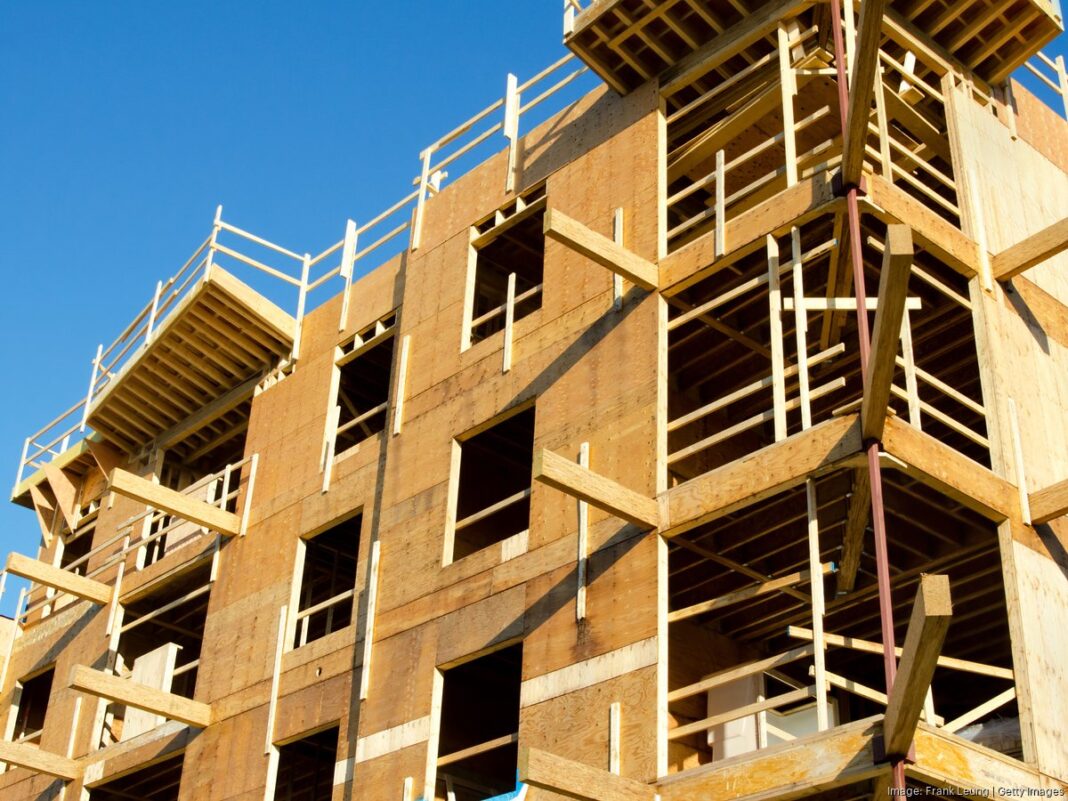
Buildings are an important part of everyday life. From residential houses and apartment complexes to offices, shopping centres, bridges, and public infrastructure, construction influences how people live, work, and interact with their surroundings. However, understanding how buildings are designed, planned, and constructed can sometimes feel complicated for people without professional experience. Architectural terminology, engineering principles, construction materials, and structural planning often appear difficult to understand. Making this information accessible to ordinary readers is therefore an important part of improving awareness about the built environment.
This is where structurespy com can be explored as a construction-focused information concept that connects technical building knowledge with everyday interests. By presenting subjects related to architecture, structural design, construction practices, and modern building developments in an understandable way, such a platform can help readers become more familiar with the spaces around them. Instead of limiting construction discussions to engineers and architects, accessible educational content allows homeowners, students, property enthusiasts, and curious readers to develop a better understanding of how buildings function.
Understanding the Connection Between Buildings and Everyday Life

Buildings are more than physical structures made from concrete, steel, glass, and other materials. They represent the combination of planning, creativity, engineering, environmental considerations, and human requirements. A comfortable home, for example, requires more than an attractive exterior. Its design must consider ventilation, lighting, structural stability, insulation, drainage, and the needs of the people living inside it.
For everyday readers, understanding these basic principles can make a meaningful difference when evaluating construction projects or planning improvements to their properties. A person considering a house renovation might want to understand why certain walls cannot be removed without professional assessment. Similarly, someone purchasing an apartment may become interested in construction quality, building materials, and maintenance requirements. Structurespy com reflects the value of making these subjects easier to explore through accessible construction-related information.
Making Technical Construction Knowledge Easier to Understand
Explaining Common Building Terminology
The construction industry uses specialised terminology that can confuse people who are unfamiliar with engineering and architecture. Words such as foundation, reinforcement, load-bearing wall, foundation settlement, insulation, and structural framework may appear frequently in building discussions. Although these terms describe important concepts, their meanings are not always obvious to ordinary readers.
Educational construction content can explain such terminology through simple definitions and practical examples. A foundation, for instance, is the part of a building that transfers its loads safely to the supporting ground. Reinforcement refers to materials, commonly steel bars, used to improve the tensile performance of concrete. Explaining these ideas in everyday language allows readers to understand why particular construction methods are necessary.
Connecting Theory With Practical Examples
One of the most effective ways to explain construction concepts is to connect technical theory with familiar situations. Instead of discussing structural stability only through engineering terminology, an article can explain how a building distributes its weight through columns, beams, walls, and foundations. Similarly, ventilation can be explained by examining how windows, openings, and building orientation influence indoor airflow.
Practical examples help readers recognise the importance of construction decisions. For instance, choosing suitable insulation can improve indoor comfort and reduce energy consumption. Proper drainage planning can help prevent water accumulation around a property, while appropriate roof design can improve protection against local weather conditions.
Exploring the Role of Architecture in Modern Building Design
Architecture combines artistic creativity with practical requirements. A building must serve its intended purpose while also considering appearance, comfort, accessibility, environmental conditions, and available resources. Modern architectural design increasingly focuses on creating spaces that respond to changing lifestyles and environmental challenges.
Residential architecture provides a particularly familiar example. Contemporary homes often include open living spaces, natural lighting, flexible rooms, improved ventilation, and energy-conscious features. These design choices are influenced by factors such as family size, climate, land availability, construction budgets, and personal preferences. A home designed for a hot climate may prioritise shading, cross-ventilation, and heat-resistant materials, while buildings in colder regions may require stronger insulation and carefully designed heating systems.
Understanding Different Construction Materials
Construction materials influence the strength, appearance, cost, durability, and environmental performance of buildings. Concrete, steel, timber, brick, stone, glass, and engineered materials each serve different purposes. Selecting the right material requires considering structural requirements, environmental exposure, availability, maintenance, and project budgets.
Concrete remains widely used because it can be shaped into different forms and provides useful compressive strength. Steel is valued for its strength and ability to support structural systems, particularly in larger buildings and infrastructure projects. Timber offers design flexibility and can be a renewable construction resource when responsibly sourced. Glass supports natural lighting and modern architectural appearances, although its performance depends on factors such as glazing type, insulation, and solar control.
The following table highlights some common construction materials and their typical applications.
| Construction material | Common applications | Main consideration |
|---|---|---|
| Concrete | Foundations, columns, slabs | Strength and durability |
| Steel | Frames, beams, reinforcement | Structural performance |
| Timber | Roofs, interiors, frameworks | Moisture and maintenance |
| Brick | Walls and partitions | Thermal and weather performance |
| Glass | Windows and building facades | Lighting and insulation |
| Stone | Flooring, walls, exterior finishes | Weight and installation |
Readers should understand that no single material is suitable for every construction project. Engineers and architects evaluate the project’s requirements before recommending specific materials. Soil conditions, weather exposure, building height, local regulations, and expected usage all influence material selection.
Modern Construction Technology and Its Growing Importance
Digital Tools Transforming Building Projects
Technology is changing how construction projects are designed, coordinated, and managed. Digital tools allow architects, engineers, contractors, and project managers to share information more efficiently. Building Information Modelling, commonly known as BIM, is an important example. It allows professionals to develop coordinated digital representations of buildings and examine different aspects of a project before construction begins.
Three-dimensional modelling also helps people visualise spaces, identify design challenges, and understand how different building components fit together. These capabilities can reduce misunderstandings between project teams and support better planning. In larger developments, digital coordination is particularly valuable because multiple professionals may work on different parts of the same structure.
Artificial intelligence is also becoming relevant to construction planning. Depending on the application, AI-powered systems can support design analysis, scheduling, cost estimation, and the identification of potential project risks. However, these tools do not replace qualified professionals. Human expertise, technical verification, and compliance with building regulations remain essential.
Smart Construction and Connected Buildings
Smart building technology is becoming increasingly important in residential, commercial, and institutional environments. Connected sensors, automated lighting, security systems, temperature controls, and energy monitoring tools can help building operators manage their properties more efficiently.
For example, a smart temperature management system can adjust indoor conditions according to occupancy and user preferences. Automated lighting can reduce unnecessary electricity consumption by responding to daylight levels or movement. Modern monitoring systems can also help identify unusual equipment performance before it develops into a larger maintenance issue.
Educational platforms discussing these developments can help readers understand the practical benefits and limitations of modern building technology. Structurespy com is a relevant keyword for exploring how construction knowledge can extend beyond traditional materials and methods to include digital innovation and connected infrastructure.
Sustainable Construction and Environmentally Responsible Buildings
Sustainability has become a major consideration in the construction industry. Buildings consume energy and resources throughout their lifecycles, from material production and construction to daily operation and eventual renovation or demolition. As environmental awareness increases, architects, engineers, developers, and property owners are paying greater attention to ways of reducing this impact.
Sustainable construction involves several interconnected decisions. These include selecting appropriate materials, reducing construction waste, improving energy efficiency, managing water consumption, and designing buildings that respond to their local climate. Natural lighting, effective insulation, efficient cooling systems, rainwater harvesting, and responsibly sourced materials can all contribute to improved building performance.
For example, a residential building designed with suitable window placement and shading may receive useful daylight while limiting excessive heat gain. This can reduce dependence on artificial lighting and mechanical cooling. Similarly, rainwater harvesting systems can support non-drinking water requirements, depending on local regulations and suitable treatment arrangements.
How Construction Knowledge Helps Homeowners and Property Buyers
Understanding building concepts can help homeowners make more informed decisions about their properties. Whether someone is purchasing a newly constructed apartment, renovating an existing house, or planning a future residential project, basic construction awareness can support better conversations with architects, engineers, and contractors.
For example, a homeowner may want to understand the difference between cosmetic cracks and signs that require professional structural assessment. Another property buyer might be interested in the quality of waterproofing, plumbing installations, electrical systems, and ventilation. These considerations can influence maintenance expenses and the long-term usability of a building.
Construction education can also help readers recognise when professional advice is necessary. Structural modifications, foundation problems, major electrical changes, and significant waterproofing failures should not be addressed through guesswork or general online instructions. Qualified professionals can inspect the property, assess the relevant conditions, and recommend suitable solutions.
Some useful areas for homeowners and property buyers to understand include:
-
Basic foundation and structural safety concepts.
-
Common construction materials and their applications.
-
Waterproofing, drainage, and moisture management.
-
Energy efficiency and building maintenance.
-
Important questions to ask contractors and property developers.
By improving awareness of these topics, readers can participate more confidently in property-related discussions without assuming that general information replaces professional inspection.
Construction Education for Students and Beginners
Construction and architecture offer many learning opportunities for students interested in engineering, design, technology, and the built environment. However, beginners may find professional textbooks difficult because they often introduce several technical principles at once. Accessible educational content can provide a useful starting point before learners move towards advanced study.
Students can begin by understanding basic structural systems, construction materials, architectural styles, and project planning. Learning how beams transfer loads, why foundations are designed according to soil conditions, and how building layouts affect movement can establish a foundation for further exploration.
Visual examples and everyday comparisons can make these subjects easier to remember. A student studying roof structures, for example, may benefit from examining how different roof shapes respond to rainfall, wind, and available interior space. Someone interested in architecture may compare traditional buildings with contemporary designs to understand how materials, technology, and lifestyle requirements influence architectural development.
The Importance of Construction Safety and Building Regulations
Safety is one of the most important responsibilities in construction. Every building must be planned and developed with attention to structural reliability, fire protection, electrical safety, accessibility, and other relevant requirements. Construction regulations exist to establish minimum standards and protect the people who use buildings.
Building codes and approval procedures differ across countries and regions. They may address structural design, fire exits, ventilation, sanitation, accessibility, electrical installations, and environmental considerations. Professionals must understand the applicable local requirements before planning or carrying out construction work.
Readers can benefit from learning why compliance matters. A building that appears visually impressive may still have serious problems if essential safety requirements are ignored. Similarly, choosing construction materials solely because they are inexpensive can create long-term difficulties when their performance does not match the intended application.
What Makes Construction Information Valuable to General Readers?

The value of construction education depends on how effectively information addresses readers’ questions. Technical accuracy is essential, but accessibility, relevance, organisation, and practical explanations also influence the learning experience.
A useful construction article should explain its subject clearly, introduce unfamiliar terminology, and connect important ideas with real situations. It should also distinguish between general educational information and recommendations that require professional assessment.
For a construction-focused resource, several qualities can make content more helpful:
Clear and Organised Explanations
Readers should be able to follow information without needing advanced technical knowledge. Meaningful headings, understandable definitions, and logical transitions make complicated topics easier to explore.
Relevant Industry Developments
Construction methods and technologies continue to evolve. Information about digital design, sustainable materials, energy efficiency, and modern infrastructure helps readers understand current industry priorities.
Practical Learning Opportunities
Examples involving homes, offices, public buildings, and renovation projects make abstract ideas more understandable. They allow readers to recognise how construction principles influence everyday environments.
Responsible and Accurate Information
Construction subjects can involve safety and financial decisions. Content should avoid unsupported claims, acknowledge limitations, and encourage professional advice whenever technical assessment is required.
These qualities help make construction knowledge useful to a wider audience. They also provide a strong foundation for resources associated with structurespy com and similar educational topics.
The Future of Building Knowledge and Public Awareness
The construction industry is likely to experience further changes as digital technology, environmental priorities, and urban development influence the way buildings are planned and delivered. Smart infrastructure, prefabricated construction, advanced materials, digital project management, and energy-efficient building systems are among the areas attracting growing attention.
Urban populations and changing lifestyle requirements are also increasing the importance of well-planned residential and commercial spaces. Cities need buildings that use available land efficiently while supporting transportation, public services, environmental quality, and community needs. These challenges make construction knowledge increasingly relevant to people beyond the professional industry.
Public understanding will become more valuable as individuals take greater interest in property performance, energy expenses, environmental impact, and building safety. Accessible educational resources can help readers understand these developments and ask more informed questions about the places where they live and work.
Frequently Asked Questions
1. What Is Structurespy Com About?
Structurespy com is a construction-related keyword associated with exploring subjects such as architecture, structural design, building materials, construction methods, and modern infrastructure. Readers interested in these topics can use accessible educational discussions to develop a better understanding of the built environment.
2. Why Should Everyday Readers Learn About Building Concepts?
Building knowledge helps people understand the spaces they use daily. It can support better awareness when purchasing property, planning renovations, discussing construction work, or evaluating energy efficiency and maintenance requirements. It also helps readers appreciate the engineering and planning behind modern structures.
3. Which Construction Topics Are Important for Beginners?
Beginners can start with foundations, structural systems, concrete, steel, timber, architectural design, ventilation, insulation, and construction safety. These subjects provide a basic understanding of how buildings are planned, constructed, and maintained.
4. How Is Technology Changing the Construction Industry?
Technology is improving construction through digital modelling, Building Information Modelling, project management software, artificial intelligence, automation, and smart building systems. These developments can support better coordination, planning, resource management, and building performance.
5. Why Is Sustainable Construction Important?
Sustainable construction aims to reduce environmental impact while creating durable, efficient, and comfortable buildings. It involves responsible material selection, energy conservation, water management, waste reduction, and designs that respond to local environmental conditions.
6. Can Online Construction Information Replace Professional Advice?
No. Educational content can help readers understand general construction principles, but it cannot replace professional inspections, engineering calculations, architectural planning, or legal approvals. Structural modifications and safety-related decisions should always involve appropriately qualified professionals.
Conclusion
Understanding building concepts should not be limited to architects, engineers, and construction professionals. Buildings influence nearly every aspect of modern life, making construction knowledge valuable for homeowners, students, property buyers, and anyone interested in the development of cities and communities. Learning about structural systems, architectural planning, materials, sustainability, and modern technology helps people appreciate the thought and expertise behind the structures around them.
Structurespy com represents an opportunity to explore construction-related subjects from an accessible and informative perspective. By connecting technical principles with practical examples, construction education can make complicated ideas easier to understand and encourage greater public awareness. As the industry continues to adopt digital tools, sustainable practices, and innovative building methods, accessible information will remain important for helping readers understand these changes.
Ultimately, the purpose of construction knowledge is not simply to explain how buildings are created. It is also to show why thoughtful design, responsible material selection, structural safety, and long-term planning matter. When everyday readers understand these principles, they become better informed about the buildings they occupy and the communities they help shape.
