

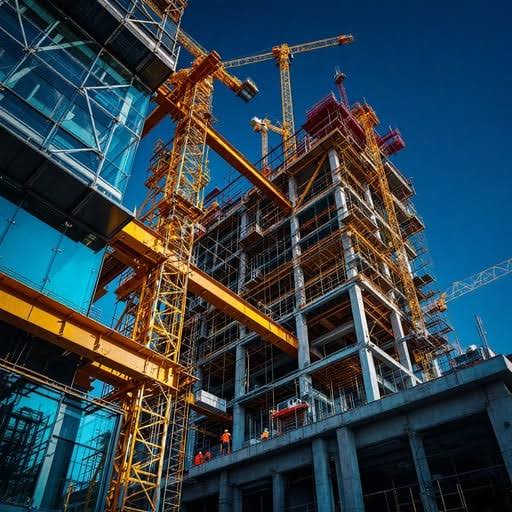
Introduction
The construction and design industries are experiencing significant changes as new technologies, sustainable materials, and innovative engineering methods reshape how buildings are planned and developed. Architects, structural engineers, contractors, and property developers are increasingly looking for reliable information to understand these advancements and improve their projects. From digital building models to environmentally responsible construction practices, modern development requires a combination of technical knowledge, creative thinking, and practical decision-making.
In this evolving environment, structurespy com can be explored as a topic associated with construction knowledge, structural engineering concepts, and architectural design insights. Understanding the subjects connected with this keyword can help readers discover how buildings achieve strength, efficiency, functionality, and visual appeal. Whether someone is researching residential construction or exploring complex commercial structures, learning about contemporary building methods provides a stronger foundation for informed decisions.
Construction is no longer limited to assembling materials according to traditional plans. Today’s projects often involve digital collaboration, advanced structural analysis, energy-efficient systems, and careful resource management. By exploring these developments, professionals and interested readers can better understand the relationship between engineering innovation and successful building design.
Understanding Structurespy Com and Its Connection to Construction
The keyword structurespy com is relevant to discussions about construction techniques, structural systems, architectural planning, and modern building technologies. Rather than treating it as a verified source of particular services or technical tools, readers can use it as a starting point for exploring important subjects within the construction and design industry. These subjects include structural stability, building performance, material selection, and the influence of emerging technologies on construction projects.
Structural engineering plays a particularly important role in this discussion because every building must safely withstand the forces acting upon it. Engineers evaluate loads, environmental conditions, foundation requirements, and the properties of construction materials before determining appropriate structural solutions. Architects focus on spatial planning, functionality, aesthetics, and user experience. Successful projects require these disciplines to work together from the earliest design stages.
Why Construction Knowledge Matters Today
Modern construction projects face challenges that extend beyond the physical building process. Increasing material costs, skilled labor shortages, stricter environmental expectations, and growing demand for energy-efficient spaces influence how projects are managed. Professionals must understand these conditions while maintaining safety, quality, and financial control.
Access to clear construction knowledge helps project teams evaluate different approaches before making expensive commitments. For example, understanding the differences between reinforced concrete and structural steel can support better decisions about construction schedules, building height, maintenance, and long-term performance. Knowledge becomes especially valuable when it connects technical principles with real-world applications.
The Role of Structural Engineering in Modern Building Design
Structural engineering forms the foundation of safe and reliable construction. It involves analyzing how buildings respond to gravity, wind, earthquakes, temperature changes, and other forces. Engineers use mathematical calculations, building standards, and specialized software to design structural components that can withstand expected conditions throughout a building’s intended service life.
For anyone researching structurespy com, structural engineering is one of the most useful areas to explore because it explains the technical principles behind architectural designs. A visually impressive building must also distribute loads effectively through its beams, columns, floors, foundations, and supporting systems. Without proper structural planning, even an attractive architectural concept may face serious performance or safety problems.
Modern engineering methods also allow designers to evaluate multiple structural options before construction begins. Digital simulations help identify potential weaknesses, assess material requirements, and compare alternative layouts. These capabilities can reduce unnecessary redesign work and support more efficient use of resources.
How Structural Analysis Improves Building Safety
Structural analysis helps engineers understand how different components behave under specific loading conditions. For example, a multistory commercial building must support its own weight, occupants, furniture, mechanical equipment, and environmental loads. Engineers calculate how these forces travel through the structure and determine whether individual components provide sufficient strength and stability.
Advanced analysis software can simulate complex building behavior and reveal areas requiring additional reinforcement or design changes. However, software results still require professional interpretation, appropriate assumptions, and compliance with applicable engineering standards. Technology supports engineering judgment rather than replacing it.
Modern Construction Technologies Transforming the Industry
Construction technology has developed rapidly as companies seek more efficient ways to plan, coordinate, and deliver projects. Digital design platforms, automated equipment, and improved monitoring systems are becoming increasingly important across residential, commercial, and infrastructure developments.
One of the most influential developments is Building Information Modeling, commonly known as BIM. This approach allows project teams to work with coordinated digital representations containing information about building components, systems, and design relationships. Architects, engineers, and contractors can identify conflicts before construction begins, potentially reducing delays and unnecessary expenses.
Automation is another important area. Robotic equipment can support selected repetitive or hazardous tasks, while drones can assist with surveying, progress documentation, and site inspections where regulations permit. These technologies do not eliminate the need for skilled construction workers, but they can improve productivity and provide more consistent information for project management.
Digital Tools Supporting Construction Planning
Digital platforms have become essential for coordinating complex construction activities. Cloud-based project management systems allow authorized team members to access drawings, schedules, documentation, and project updates from different locations. This improves communication and reduces the risk of teams working with outdated information.
Artificial intelligence is also being investigated and adopted for tasks such as document analysis, schedule forecasting, design assistance, and construction risk identification. Nevertheless, AI-generated recommendations require verification, particularly when they affect safety, engineering calculations, or regulatory compliance. The most effective approach combines digital efficiency with experienced professional oversight.
Sustainable Construction and Environmentally Responsible Design
Sustainability has become a major consideration in modern construction because buildings consume significant resources during development and operation. Designers increasingly evaluate energy consumption, water efficiency, material durability, and environmental impact when planning new structures.
Discussions associated with structurespy com can therefore extend naturally into sustainable construction practices. These practices encourage the responsible use of resources while creating buildings that remain comfortable, functional, and economical over time. Sustainable design may involve improved insulation, efficient ventilation, daylight optimization, low-impact materials, and renewable energy systems.
Environmental performance also depends on decisions made throughout a building’s life cycle. Choosing durable materials can reduce replacement frequency, while designing flexible interior spaces may extend the usefulness of a building as occupants’ needs change. Sustainable construction is most effective when environmental objectives are considered alongside structural safety, financial feasibility, and practical maintenance requirements.
Popular Sustainable Building Approaches
Several approaches are influencing how developers and architects plan environmentally responsible buildings:
-
Energy-efficient design: Improving insulation, shading, ventilation, and equipment efficiency to reduce operational energy demand.
-
Recycled materials: Using suitable recycled steel, aggregates, and other materials where performance requirements are satisfied.
-
Water conservation: Incorporating efficient fixtures, rainwater harvesting, and appropriate water reuse systems.
-
Renewable energy integration: Considering solar panels and other suitable technologies to reduce dependence on conventional energy sources.
These approaches require careful evaluation because their effectiveness depends on climate, building purpose, material availability, local regulations, and long-term operating conditions.
Innovative Building Materials and Their Applications
Material innovation is changing how architects and engineers approach structural design. Traditional materials such as concrete, steel, timber, and masonry remain essential, but improvements in manufacturing and material science are expanding their possible applications.
Engineered timber products, including cross-laminated timber, are receiving attention for certain residential and commercial projects. These materials can offer construction and environmental advantages when properly sourced and designed. Similarly, developments in concrete technology are helping researchers and manufacturers investigate alternatives that may reduce embodied carbon while meeting performance requirements.
High-performance steel, advanced insulation products, and specialized composite materials also provide new opportunities. However, no material is universally suitable for every project. Selection depends on structural requirements, fire performance, moisture exposure, availability, cost, and applicable building codes.
Comparison of Common Construction Materials
| Construction Material | Main Advantages | Common Applications |
|---|---|---|
| Reinforced concrete | Strength, versatility, and durability | Foundations, columns, floors, and commercial buildings |
| Structural steel | High strength-to-weight ratio and flexible design | Industrial facilities, bridges, and multistory buildings |
| Engineered timber | Prefabrication potential and renewable material options | Residential and selected commercial structures |
| Masonry | Durability, thermal mass, and established methods | Walls, housing, and low-rise construction |
| Composite materials | Specialized performance and lightweight options | Strengthening, panels, and selected structural components |
The most appropriate material is determined through engineering assessment rather than appearance or popularity alone. A carefully selected material system can improve construction efficiency while supporting safety and long-term building performance.
Architectural Design Trends Shaping Modern Buildings
Architecture is increasingly focused on creating spaces that balance visual appeal with practical performance. Contemporary buildings often emphasize natural lighting, adaptable layouts, accessibility, and efficient movement between spaces. Designers are also paying greater attention to occupant comfort, including indoor air quality, thermal conditions, and acoustic performance.
Exploring structurespy com from an architectural perspective encourages a broader understanding of how structural engineering and creative design interact. Open-plan offices, large windows, flexible commercial interiors, and distinctive roof structures may require innovative engineering solutions to achieve their intended appearance without compromising safety.
Another important development is adaptive reuse, where existing buildings are renovated or converted for new purposes. Instead of demolishing a structurally viable building, developers may transform it into residential accommodation, office space, or community facilities. Such projects require detailed assessments of existing structural conditions, code requirements, and potential limitations, but they can preserve useful building assets and reduce certain construction impacts.
The Importance of Functional Design
Functional architecture considers how people actually use a building. A successful residential layout should support everyday activities, privacy, circulation, and comfort. Commercial buildings must accommodate operational requirements, accessibility, emergency movement, and future changes in occupancy.
Effective functional design begins with understanding user needs rather than simply following visual trends. For example, a school requires different circulation patterns, acoustic conditions, and safety considerations than a warehouse. When architects and engineers collaborate early, they can develop solutions that support both the intended experience and the technical demands of the structure.
Smart Buildings and the Integration of Digital Systems
Smart building technologies are influencing how properties operate after construction is completed. Sensors, connected equipment, and building management systems can monitor selected environmental conditions and help facility teams manage lighting, heating, cooling, and energy consumption.
These systems can support more responsive building operations. For example, occupancy sensors may adjust lighting in unused areas, while environmental monitoring equipment can provide information about indoor temperature and ventilation performance. Some facilities also use predictive maintenance tools to identify equipment conditions that may require attention before a breakdown occurs.
However, smart buildings introduce additional responsibilities involving cybersecurity, privacy, system compatibility, and ongoing maintenance. Connected devices must be configured and managed appropriately, particularly when they interact with essential building services. A smart building is most effective when digital features solve genuine operational problems rather than adding unnecessary complexity.
How Construction Professionals Can Apply Design Insights
Understanding construction trends is valuable only when that knowledge contributes to better project decisions. Architects, engineers, contractors, and developers can use technical insights to compare methods, identify risks, and improve coordination throughout a project.
Research related to structurespy com can encourage readers to examine construction ideas critically instead of adopting every emerging trend. A new technology may appear promising, but its suitability depends on project size, budget, regulatory requirements, local expertise, and measurable benefits. Professionals should evaluate technical evidence, supplier documentation, and relevant standards before introducing unfamiliar methods.
For example, a contractor considering modular construction should assess transportation constraints, manufacturing capacity, site access, installation tolerances, and design flexibility. A developer evaluating smart building equipment should consider installation expenses, expected energy savings, maintenance responsibilities, and system reliability.
Practical Steps for Better Project Planning
Project teams can strengthen planning by focusing on a few essential activities:
-
Establish clear performance requirements, budgets, and project objectives before detailed design.
-
Encourage early collaboration between architects, engineers, contractors, and relevant specialists.
-
Compare construction methods using realistic cost, safety, scheduling, and maintenance considerations.
-
Review designs regularly against applicable standards, environmental goals, and site conditions.
Consistent planning reduces uncertainty and supports more informed decisions as projects move from initial concepts to completed buildings.
Challenges Facing the Construction and Design Industry
Despite technological progress, construction remains a complex industry with several persistent challenges. Rising costs, supply chain disruptions, workforce availability, and changing regulatory expectations can affect project feasibility. Even well-designed developments may experience difficulties when communication breaks down or important site conditions are discovered late.
Digital transformation creates additional challenges because organizations must invest in training, software integration, and reliable information management. Smaller contractors may find advanced technology difficult to justify unless it provides clear operational benefits. Meanwhile, larger organizations must coordinate extensive project data across multiple departments and external partners.
These challenges highlight the importance of practical innovation. Successful modernization does not necessarily involve purchasing the newest equipment or adopting every available software platform. Instead, organizations benefit from selecting methods that address identifiable problems, improve measurable outcomes, and fit their existing capabilities.
The Future of Construction and Structural Design
The coming years are likely to bring further integration between digital engineering, advanced manufacturing, sustainable design, and automated construction processes. Building projects may increasingly use coordinated digital models to connect early design decisions with construction planning and long-term facility management.
Prefabrication and modular methods are expected to remain important areas of development because they can shift selected construction activities into controlled manufacturing environments. Digital twins may also become more useful for monitoring complex facilities, although their value depends on accurate data, suitable infrastructure, and ongoing management.
The future of construction will also be shaped by climate resilience. Buildings must increasingly account for local risks such as extreme heat, flooding, high winds, and changing environmental conditions. Resilient design requires appropriate site analysis, engineering decisions, and maintenance strategies rather than relying on technology alone.
Frequently Asked Questions (FAQs)
1. What is Structurespy Com related to?
The term structurespy com can be explored in connection with structural engineering, construction technology, architectural design, and building innovation. Readers interested in these subjects can examine engineering principles, modern materials, digital planning methods, and sustainable construction practices. Specific claims about a website’s ownership, features, or services should be verified independently.
2. Why is structural engineering important in construction?
Structural engineering ensures that buildings are designed to resist expected loads and environmental forces safely. Engineers evaluate foundations, columns, beams, floors, and other structural components to establish appropriate strength, stability, and serviceability. Their work helps protect occupants and supports reliable building performance.
3. How does technology improve modern construction projects?
Technology can improve design coordination, scheduling, documentation, and construction monitoring. Tools such as BIM, digital project management platforms, and selected automated systems help professionals identify problems earlier and communicate more effectively. The benefits depend on proper implementation, accurate information, and experienced oversight.
4. What are the main benefits of sustainable building design?
Sustainable building design can reduce resource consumption, improve energy efficiency, and support healthier indoor environments. It may also lower certain operating expenses and extend building usefulness. Actual results depend on the selected systems, local conditions, construction quality, and building operation.
5. Which construction materials are commonly used in modern buildings?
Common materials include reinforced concrete, structural steel, masonry, timber, and specialized composite products. Each material offers different structural and practical characteristics. Engineers select appropriate materials according to project requirements, environmental exposure, budget, and relevant safety standards.
6. How can architects and contractors prepare for future construction trends?
Architects and contractors can prepare by improving digital skills, understanding sustainable construction principles, strengthening interdisciplinary collaboration, and evaluating emerging technologies carefully. Continuing professional education and familiarity with updated building standards are also important for maintaining quality and competitiveness.
Conclusion
Modern construction and architectural design are developing through a combination of engineering knowledge, technological innovation, and greater attention to environmental performance. From advanced structural analysis to sustainable materials and connected building systems, these developments are changing how projects are planned, constructed, and maintained.
Exploring structurespy com as a construction and design research topic provides an opportunity to understand the principles behind safer, more efficient, and more adaptable buildings. The most valuable insights come from connecting emerging ideas with established engineering practices, realistic project requirements, and reliable technical evidence.
As the industry continues to evolve, professionals who prioritize collaboration, responsible innovation, and long-term building performance will be better positioned to address future challenges. Ultimately, successful construction depends not simply on adopting new technologies, but on using the right knowledge and methods to create structures that serve people safely and effectively for years to come.
