

Introduction
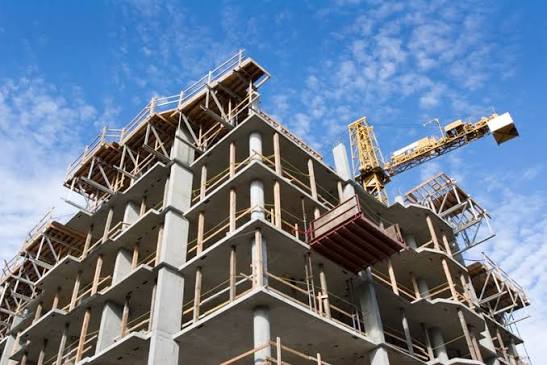
The construction industry is continuously changing as new technologies, architectural approaches, materials, and engineering techniques influence the way buildings are planned and developed. From residential homes and commercial spaces to large infrastructure projects, modern construction involves much more than assembling materials and completing structural designs. It requires thoughtful planning, technical knowledge, environmental awareness, and the ability to adapt to changing requirements. People interested in construction increasingly want information that explains these developments in a simple and practical manner. This growing interest has created opportunities for digital platforms to make construction knowledge more accessible to everyday readers.
Structurespy com represents an interesting topic within this wider discussion of construction information and modern building perspectives. The keyword can be associated with exploring construction concepts, understanding architectural developments, and learning how different building approaches influence the spaces people use every day. Readers looking for construction-related knowledge often benefit from explanations that connect technical ideas with real-world applications. Whether someone is interested in home improvement, structural engineering, architecture, or construction technology, understanding the industry’s changing direction can provide valuable knowledge and encourage better decision-making.
Understanding the Changing Construction Industry
Construction has developed significantly over the past few decades. Traditional building practices remain important, but modern projects increasingly combine established techniques with digital planning, advanced equipment, improved materials, and more efficient construction processes. Architects and engineers now consider several factors before a project begins, including environmental conditions, material availability, safety requirements, energy consumption, and long-term maintenance. These considerations help determine whether a structure will remain functional, reliable, and suitable for its intended purpose.
Another important development is the growing demand for buildings that balance appearance with performance. A residential property, for example, should offer comfortable living spaces while also maintaining structural strength and energy efficiency. Similarly, commercial buildings must support daily operations, accommodate changing business requirements, and provide safe environments for employees and visitors. Structurespy com can be explored as a subject through which readers discover these different construction perspectives and understand why modern building projects require cooperation between multiple professionals.
How Modern Technology Is Transforming Construction
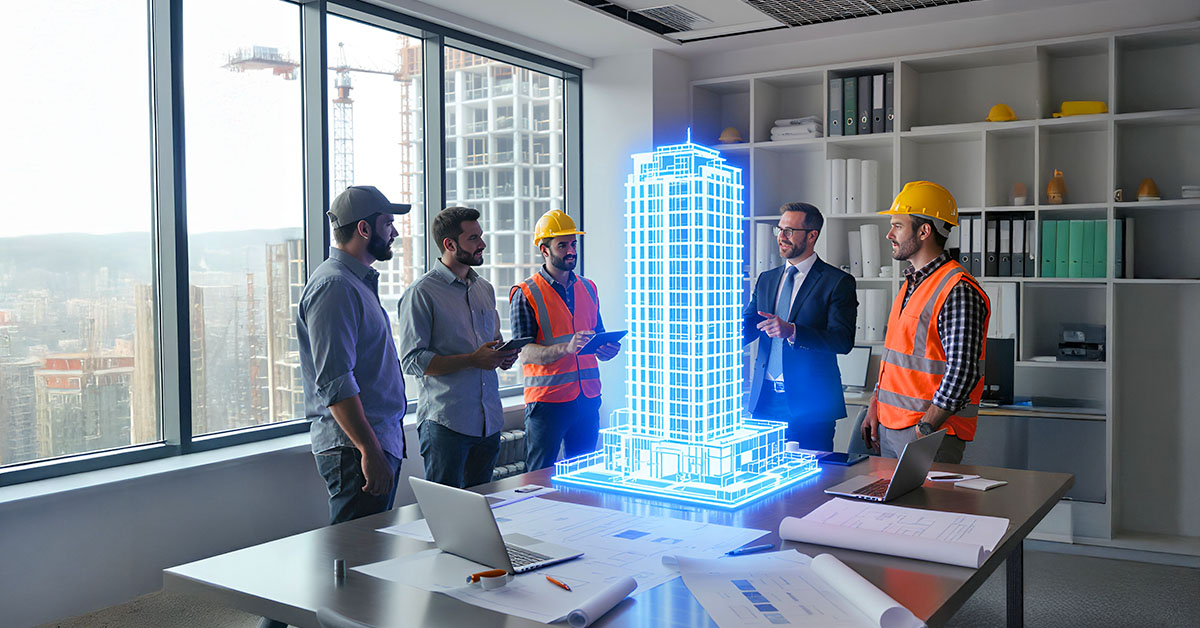
Technology has become an important part of construction planning and execution. Digital tools allow professionals to prepare detailed building designs, examine structural relationships, calculate material requirements, and identify potential problems before construction begins. Building Information Modeling, commonly known as BIM, is one example of a technology that supports collaboration by bringing different project details into a shared digital model. Architects, engineers, and contractors can use this information to understand how different elements of a building fit together.
Drones, automated equipment, digital surveying systems, and project management software are also changing construction activities. Drones can help inspect large sites and capture progress information, while digital surveying tools support accurate measurements. These technologies can reduce certain manual tasks and improve communication between project teams. However, technology does not replace professional judgment. Experienced workers and qualified engineers are still essential for evaluating site conditions, checking structural safety, and making decisions that require technical expertise.
The Growing Importance of Smart Construction Tools
Smart construction tools help project teams manage information more effectively. Digital scheduling systems can organize work activities, track progress, and identify delays that may affect project completion. Advanced design software can also help professionals compare alternative layouts and examine how design changes influence the overall structure.
For readers exploring structurespy com, understanding these tools provides a useful introduction to the relationship between technology and construction knowledge. Even people who are not directly involved in the building industry can benefit from learning how digital systems influence the places where they live and work.
Exploring Modern Architectural Perspectives
Architecture is one of the most visible aspects of construction because it determines how buildings look, feel, and function. Modern architectural design increasingly focuses on creating spaces that respond to human needs rather than concentrating only on visual appearance. Natural lighting, ventilation, accessibility, flexible layouts, and efficient use of available space have become important considerations in many projects.
For example, a modern residential building may include larger windows to improve daylight, open living areas to create a sense of space, and carefully planned ventilation systems to support indoor comfort. Commercial buildings may use flexible interiors that allow businesses to reorganize workspaces as their requirements change. These examples demonstrate how architectural decisions influence everyday experiences.
Another interesting perspective involves combining traditional design elements with contemporary construction methods. In many regions, architects incorporate locally familiar materials, cultural influences, and climate-responsive layouts into modern buildings. This approach can create structures that feel connected to their surroundings while meeting current functional expectations. Exploring these design principles through structurespy com can help readers appreciate how architecture connects creativity, engineering, and practical living requirements.
Sustainable Construction and Environmental Responsibility
Environmental responsibility has become a major consideration across the construction industry. Buildings require materials, energy, water, and land, meaning that construction decisions can have long-term environmental effects. As awareness of climate change and resource conservation increases, developers and designers are paying greater attention to sustainable construction methods.
Sustainable construction involves selecting suitable materials, reducing unnecessary waste, improving energy performance, and considering the environmental impact of a building throughout its life cycle. Recycled materials, responsibly sourced timber, efficient insulation, water-saving fixtures, and energy-efficient lighting are examples of solutions that may support more responsible building practices. The right choices depend on local conditions, building regulations, project budgets, and the intended use of the property.
Why Energy-Efficient Buildings Matter
Energy efficiency is an important part of sustainable design because buildings consume energy for lighting, cooling, heating, ventilation, and everyday equipment. Poor insulation and inefficient systems can increase energy requirements and operating expenses. By contrast, thoughtful building orientation, suitable glazing, insulation, and efficient appliances can help reduce unnecessary consumption.
In warmer climates, including many parts of India, passive cooling strategies can be particularly valuable. Shading devices, cross-ventilation, reflective roofing, and appropriate window placement may improve indoor comfort while reducing dependence on mechanical cooling. These practical considerations show why modern construction knowledge should include both technological innovation and an understanding of local environmental conditions.
Understanding Construction Materials and Their Applications
Building materials influence a structure’s strength, durability, appearance, cost, and maintenance requirements. Concrete, steel, bricks, timber, glass, and stone remain widely used across different types of construction. Each material offers particular advantages, and selecting the right combination requires an understanding of structural requirements and environmental conditions.
Concrete is commonly used in foundations, columns, slabs, and other structural elements because of its compressive strength and versatility. Steel provides useful tensile strength and is frequently incorporated into structural frameworks. Bricks and blocks are used for walls, while glass supports natural lighting and contemporary architectural designs. Timber can provide both structural and decorative applications when properly selected, treated, and maintained.
| Construction material | Common application | Important consideration |
|---|---|---|
| Concrete | Foundations, slabs, and columns | Strength, curing, and durability |
| Steel | Structural frameworks and reinforcement | Corrosion protection and load capacity |
| Bricks | Walls and partitions | Quality and thermal performance |
| Timber | Flooring, roofing, and interiors | Moisture protection and maintenance |
| Glass | Windows and building facades | Safety, insulation, and solar control |
Material selection should never depend on appearance or price alone. Professionals must consider local weather, soil conditions, building loads, applicable standards, and expected maintenance. For example, materials suitable for a dry climate may require additional protection in areas exposed to heavy rainfall or humidity. Understanding these differences helps readers develop a more realistic view of construction planning.
The Importance of Structural Safety and Engineering
Structural safety is one of the most essential responsibilities in any construction project. A building must be designed to withstand the loads and environmental conditions it is expected to experience throughout its service life. These include the weight of the structure itself, occupants, furniture, equipment, wind forces, and, where relevant, seismic activity.
Structural engineers examine several factors before approving a building design. Soil investigation helps establish the ground conditions and suitable foundation requirements. Load calculations help determine the dimensions and reinforcement of structural components. Engineers also consider building geometry, construction quality, material properties, and relevant building codes. These processes work together to reduce risks and improve structural reliability.
In earthquake-prone regions, appropriate seismic design is particularly important. India has several areas with different levels of earthquake risk, making location-specific engineering essential. A design suitable for one location may not be appropriate for another. This is why professional assessment, approved drawings, quality materials, and proper supervision should remain central to construction decisions. Structurespy com can serve as a starting point for readers interested in understanding these important engineering principles.
How Construction Knowledge Supports Better Planning
Good construction planning begins long before workers arrive at a building site. Property owners and developers need to understand their requirements, establish a realistic budget, evaluate the location, and identify the professionals required for the project. Inadequate preparation can lead to delays, unexpected expenses, material shortages, and design changes during construction.
A well-organized planning process considers both immediate costs and long-term responsibilities. For example, choosing a slightly more efficient electrical system or better-quality waterproofing solution may increase initial expenses but reduce future maintenance requirements. Similarly, a carefully planned layout can improve natural lighting and ventilation without requiring expensive modifications later.
Readers exploring structurespy com may find it useful to understand the following fundamental planning considerations:
-
Budget preparation: Estimate material, labour, professional, and approval costs before starting.
-
Site assessment: Examine soil conditions, drainage, access, and surrounding infrastructure.
-
Design development: Prepare practical layouts that reflect the building’s purpose and future needs.
-
Quality management: Monitor materials, workmanship, safety procedures, and construction progress.
-
Long-term maintenance: Consider durability, repairs, and operating expenses during planning.
These considerations demonstrate that successful construction depends on a combination of technical knowledge and organized decision-making. A project becomes easier to manage when important requirements are identified early and communicated clearly.
Current Construction Trends Shaping Future Buildings

The construction industry is responding to changing economic conditions, environmental expectations, technological developments, and population growth. One significant trend is the increasing interest in prefabricated and modular construction. These approaches involve manufacturing certain building components away from the final site before transporting and assembling them at the project location. Depending on project design and local conditions, this method can improve scheduling and reduce some on-site activities.
Another developing area is the use of artificial intelligence and data analysis in construction management. AI-supported systems can help examine project information, identify patterns, assist with scheduling, and support risk assessment. However, their usefulness depends on the quality of available information and appropriate professional oversight. They should be treated as decision-support tools rather than replacements for architects, engineers, or construction managers.
There is also growing attention toward adaptive buildings that can respond to changing requirements. Flexible office interiors, energy-monitoring systems, automated lighting, and smart building controls are examples of features being considered in modern projects. These developments indicate that buildings are increasingly being designed as adaptable environments rather than static structures.
The Role of Digital Platforms in Construction Education
Access to understandable information plays an important role in helping people learn about construction. Technical subjects can sometimes appear complicated because they involve engineering calculations, specialist terminology, and detailed regulations. Digital educational platforms can make these subjects easier to explore by presenting concepts through explanations, examples, and organized discussions.
A reader interested in home renovation might want to understand waterproofing, insulation, or flooring materials. Someone studying architecture may be more interested in building layouts, structural systems, or sustainable design. A property owner may want to learn about foundation requirements and construction budgets. Although these readers have different goals, accessible educational content can help them ask better questions and understand professional recommendations.
Structurespy com fits into this broader topic of digital construction awareness. Its keyword offers an opportunity to discuss how online information can introduce readers to building concepts and modern industry developments. Nevertheless, educational articles should not be confused with official engineering approvals, professional design services, or legal building guidance. Actual construction decisions should always be checked against applicable regulations and advice from qualified professionals.
Challenges Facing the Modern Construction Industry
Despite improvements in technology and building methods, construction continues to face several challenges. Rising material costs, labour shortages, project delays, regulatory requirements, and unpredictable weather can affect construction schedules and budgets. Smaller contractors may also face difficulties adopting advanced technologies because of equipment costs, training requirements, and limited access to technical resources.
Quality control is another continuing concern. Even a well-designed structure can experience problems if materials are unsuitable or construction procedures are not followed correctly. Inadequate supervision, poor workmanship, insufficient curing, and improper installation can affect durability and safety. Addressing these problems requires consistent inspections, proper documentation, trained workers, and effective communication between everyone involved in a project.
The industry must also balance innovation with affordability. Not every advanced technology or premium material is suitable for every building. The best solution is one that meets the project’s safety requirements, environmental conditions, functional needs, and available budget. Understanding these practical challenges gives readers a more complete picture of construction beyond attractive architectural images and ambitious development announcements.
Frequently Asked Questions
1. What is Structurespy Com?
Structurespy com is a keyword that can be explored in the context of construction knowledge, building concepts, architectural ideas, and modern engineering developments. Readers interested in this subject can use it as a starting point for learning about construction-related topics and understanding how the industry continues to evolve.
2. Why is technology important in modern construction?
Technology improves the way construction projects are designed, organized, and monitored. Digital modeling, surveying equipment, project management software, and automated systems can support better coordination, reduce certain manual tasks, and help identify potential issues before they become expensive problems.
3. What are the most important factors in building design?
Important building design factors include structural safety, functionality, environmental conditions, accessibility, energy efficiency, material selection, and long-term maintenance. A successful design should respond to the intended use of the building while meeting applicable technical and regulatory requirements.
4. How does sustainable construction benefit property owners?
Sustainable construction can improve energy efficiency, reduce unnecessary resource consumption, and support more responsible material selection. Features such as insulation, natural ventilation, efficient lighting, and water-saving systems may also help reduce operating expenses over time.
5. What construction trends should readers understand?
Readers should understand developments such as modular construction, digital building models, smart building systems, sustainable materials, energy-efficient architecture, and AI-supported project management. These trends demonstrate how technology and environmental considerations are influencing modern construction practices.
6. Can online construction information replace professional advice?
No. Online information is useful for general learning, understanding terminology, and preparing questions. However, structural calculations, foundation designs, building approvals, safety assessments, and other technical decisions require qualified professionals who understand the specific project and applicable regulations.
Conclusion
The construction industry is entering an increasingly technology-driven and environmentally conscious period. Modern buildings are expected to provide structural reliability, functional spaces, energy efficiency, and long-term value. Achieving these objectives requires collaboration between architects, engineers, contractors, material suppliers, and property owners. It also requires an understanding of how traditional construction knowledge can work alongside new technologies and innovative design approaches.
Exploring structurespy com provides an opportunity to examine these developments through the wider subject of construction education and modern building perspectives. From sustainable materials and structural engineering to digital planning and architectural creativity, there are many important ideas that deserve attention. Understanding these concepts helps readers appreciate the complexity behind everyday buildings and recognize the decisions that influence their performance.
As construction methods continue to develop, accessible information will remain valuable for students, homeowners, professionals, and anyone interested in the built environment. The future of construction will not depend on technology alone but on how effectively people use knowledge, experience, and responsible planning to create safe, efficient, and adaptable spaces.
