

Introduction
The construction and design industries are experiencing significant changes as technology, sustainability, and modern architectural ideas reshape the way buildings are planned and developed. Today’s construction projects require more than traditional building techniques. They demand thoughtful planning, efficient resource management, innovative materials, and designs that respond to changing environmental and lifestyle needs. From residential properties to large commercial developments, professionals are exploring new ways to create structures that are practical, attractive, durable, and environmentally responsible. This transformation has created opportunities for digital platforms that help readers understand the latest developments in the built environment.
Structurespy Com represents an interesting perspective on the relationship between construction knowledge, structural planning, and contemporary design. The growing interest in construction-related digital information reflects how homeowners, architects, engineers, students, and building professionals want easier access to useful insights. Understanding construction is no longer limited to people working directly on building sites. Property owners also want to learn about materials, layouts, energy efficiency, renovation methods, and modern architectural approaches before making important decisions. A platform focused on these subjects can help make technical concepts easier to understand.
Understanding the Changing Construction Industry
The construction industry has developed considerably over the past few decades. Earlier building projects often relied heavily on conventional materials, manual measurements, and established construction practices. Although these methods remain important, modern projects increasingly incorporate digital planning, advanced engineering techniques, and improved building materials. These developments allow construction teams to evaluate designs more carefully, identify potential problems, and improve the overall efficiency of their work.
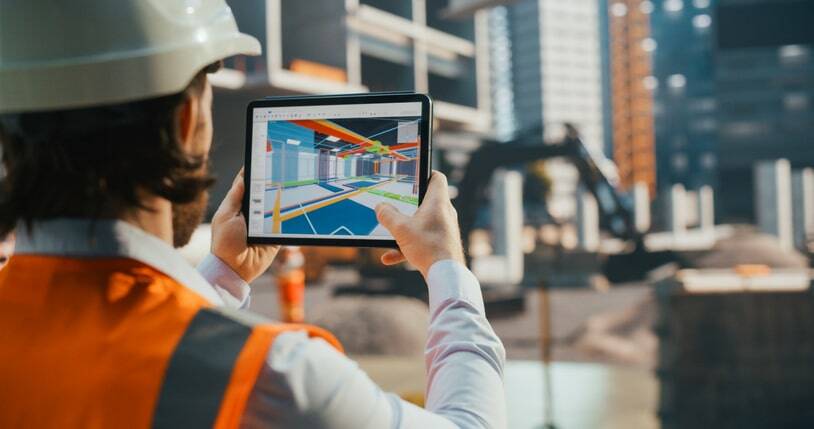
One of the most noticeable changes is the increasing importance of technology throughout the construction process. Digital drawings, computer-assisted design, project management applications, and three-dimensional building models help professionals visualize projects before physical construction begins. These tools can make communication between architects, engineers, contractors, and clients more effective. For example, a building owner can review a digital model of a proposed property and request adjustments to room layouts, lighting arrangements, or structural elements before construction work starts.
As these developments continue, Structurespy Com provides a useful subject for understanding the growing connection between construction information and modern building practices. Readers interested in the industry can benefit from learning how technology, engineering principles, and design decisions influence the final quality of a structure.
The Importance of Modern Architectural Design
Architecture plays an important role in determining how people experience residential, commercial, and public spaces. A building should not only provide shelter but also support the activities of the people who use it. Modern architectural design considers factors such as natural lighting, ventilation, accessibility, privacy, energy consumption, and the relationship between indoor and outdoor environments.
Contemporary architecture often emphasizes simplicity, practical layouts, and efficient use of available space. Open floor plans, larger windows, flexible rooms, and multifunctional areas have become popular in many residential projects. These features can make properties feel more spacious while supporting changing household requirements. In commercial buildings, thoughtful architectural planning can improve movement, employee comfort, customer experiences, and the overall functionality of working environments.
Another important development is the growing interest in designs that respond to local conditions. Architects increasingly consider climate, available materials, cultural preferences, and geographical characteristics when preparing building plans. A house designed for a hot region, for example, may include shading systems, cross-ventilation, insulated roofs, and carefully positioned windows. These features can improve comfort while reducing dependence on mechanical cooling systems.
Technology Transforming Construction and Planning
Technology has become an essential part of modern construction. Digital solutions are helping professionals improve accuracy, coordinate teams, monitor project progress, and manage complex building requirements. Instead of depending entirely on traditional drawings and manual calculations, construction teams can use advanced software to evaluate different aspects of a project.
Building Information Modelling
Building Information Modelling, commonly known as BIM, is one of the important developments in construction planning. It creates a detailed digital representation of a building that can include architectural, structural, and mechanical information. Different professionals can work with coordinated project information, helping them understand how individual building components interact.
For instance, engineers can examine the relationship between structural supports and architectural layouts before construction begins. If a proposed design creates a conflict between electrical systems and structural elements, the issue can potentially be identified during the planning stage. Addressing such problems early can reduce unnecessary changes, delays, and additional expenses.
Artificial Intelligence and Smart Construction Tools
Artificial intelligence is also becoming increasingly relevant to construction. AI-powered applications can support scheduling, cost estimation, document analysis, design exploration, and risk assessment. Some systems can analyze project information and identify patterns that might otherwise require considerable manual effort.
However, these technologies are most effective when combined with professional knowledge. Engineers and architects must verify important calculations, evaluate building regulations, and ensure that proposed designs meet safety requirements. Technology can support decision-making, but it cannot replace qualified expertise and responsible supervision.
Sustainable Construction and Environmentally Responsible Design
Sustainability has become one of the major priorities in contemporary construction. Buildings consume energy and natural resources throughout their lifecycles, from material production and transportation to daily operation and eventual renovation. As environmental concerns become more prominent, architects and developers are exploring ways to reduce waste, improve energy performance, and select more responsible materials.
Sustainable construction involves several interconnected decisions. The selection of building materials, insulation quality, water management, lighting systems, and ventilation arrangements can all influence a property’s environmental impact. For example, using energy-efficient windows can reduce unwanted heat transfer, while appropriate insulation can help maintain comfortable indoor temperatures. Rainwater harvesting and water-efficient fixtures can also support more responsible water consumption.
The concept of sustainable design is not limited to expensive buildings or large developments. Smaller residential projects can also incorporate environmentally conscious features. Choosing locally available materials, improving natural lighting, installing efficient appliances, and designing for long-term durability can make a meaningful difference.
Popular Sustainable Building Materials
Modern construction offers several material choices that can support environmentally responsible development. The most suitable option depends on the project’s location, structural requirements, availability, and budget.
| Building material | Common application | Potential advantage |
|---|---|---|
| Recycled steel | Structural frameworks | Reduces demand for newly produced steel |
| Bamboo | Selected interior and structural applications | Renewable and lightweight |
| Reclaimed wood | Flooring and furniture | Reuses existing resources |
| Fly ash concrete | Selected concrete applications | Can reduce cement consumption |
| Low-emission paints | Interior finishing | Helps improve indoor air quality |
Material selection should always consider strength, durability, building codes, and appropriate installation methods. A material that performs well in one climate or application may not be suitable for another. Professional evaluation is therefore important when choosing products for any construction project.
Structural Engineering: The Foundation of Safe Buildings
Structural engineering is one of the most important disciplines within the construction industry. It focuses on ensuring that buildings and other structures can safely support the loads and forces they experience during their service life. These forces may include the weight of the building itself, occupants, furniture, equipment, wind, and seismic activity.
A well-designed structure requires careful consideration of foundations, columns, beams, slabs, walls, and connections. Each component has a specific purpose, and its performance can influence the safety of the entire building. For example, foundations transfer building loads into the ground, while beams and columns help distribute forces through the structural framework.
Modern engineering practices use advanced analytical software and testing methods to evaluate structural performance. Nevertheless, accurate site investigations, suitable construction materials, qualified supervision, and compliance with applicable building standards remain essential. Digital calculations cannot compensate for poor workmanship or unsuitable ground conditions.
Smart Buildings and the Future of Everyday Spaces
Smart building technology is changing how residential and commercial properties operate. Modern buildings can incorporate connected systems that help occupants manage lighting, temperature, security, ventilation, and energy consumption. These technologies are becoming more accessible as smart devices and building automation systems continue to develop.
A smart home, for example, may include automated lighting that responds to occupancy, thermostats that adjust temperatures according to household routines, and security cameras that allow owners to monitor their properties remotely. Commercial buildings can use sensors to monitor indoor conditions, manage energy consumption, and improve the operation of heating and cooling systems.
The benefits of smart technology depend on how effectively individual systems are integrated. Poorly coordinated devices may create unnecessary complexity, while well-planned systems can improve convenience and operational efficiency. Cybersecurity and data privacy are also important considerations because connected building devices may collect information about occupants and their activities.
Construction Project Management and Cost Efficiency
Successful construction depends on more than good architectural drawings and strong materials. Project management plays a central role in coordinating schedules, workers, suppliers, budgets, and quality requirements. Even a well-designed project can experience difficulties if responsibilities are unclear or essential resources are not available when needed.
Effective project management begins with realistic planning. Before construction starts, project teams should understand the scope of work, estimated expenses, required permissions, material specifications, and expected completion schedule. Clear communication helps ensure that everyone understands their responsibilities and can respond quickly when unexpected issues arise.
Budget management is particularly important because construction costs can change due to material prices, labour availability, transportation expenses, and design modifications. Preparing a reasonable contingency allowance can help project owners handle unforeseen circumstances without compromising essential structural or safety requirements.
Some important practices that support efficient construction management include:
-
Preparing a realistic project schedule before beginning work.
-
Comparing material quality, availability, and long-term performance.
-
Maintaining regular communication between contractors and designers.
-
Conducting inspections at important stages of construction.
-
Recording expenses and monitoring changes to the project budget.
These practices help reduce confusion and encourage better decision-making throughout the construction process.
Interior Design and the Functionality of Modern Buildings
Interior design is closely connected to architecture because it determines how indoor spaces look, feel, and function. A well-designed interior should reflect the needs of its occupants while maintaining a practical relationship with the building’s overall structure.
Modern interior design often combines natural materials, comfortable furniture, suitable lighting, and flexible layouts. Neutral colours and simple decorative elements can create calm environments, while carefully selected textures and accent features add character. However, attractive interiors should not come at the expense of functionality. Adequate storage, comfortable movement, ventilation, and accessibility remain important considerations.
Lighting is particularly influential in interior spaces. Natural daylight can make rooms feel more welcoming and reduce the need for artificial lighting during daytime hours. Artificial lighting should be selected according to the purpose of each area. For example, kitchens and workspaces require practical task lighting, whereas bedrooms and relaxation areas may benefit from softer illumination.
Renovation, Restoration, and Adaptive Reuse
The demand for modern buildings does not mean that existing properties should always be demolished and replaced. Renovation, restoration, and adaptive reuse offer alternative ways to improve older structures while retaining useful building elements.
Renovation generally focuses on improving the condition, appearance, or functionality of an existing property. This may involve updating kitchens, bathrooms, flooring, electrical systems, insulation, or building layouts. Restoration, on the other hand, often aims to preserve important architectural characteristics, especially in historically significant buildings.
Adaptive reuse involves changing the purpose of an existing structure. An old industrial building, for example, may be converted into offices, studios, educational facilities, or residential accommodation. Such projects can preserve architectural character while making productive use of existing resources.
The Role of Digital Knowledge in Construction Education
The construction industry involves numerous technical subjects, which can sometimes make it difficult for beginners to understand how different building processes work together. Digital educational platforms can help bridge this knowledge gap by explaining complex concepts in accessible language.
Students may use online construction resources to develop an understanding of architectural terminology, engineering fundamentals, material properties, project planning, and modern design methods. Homeowners can also benefit from educational information when comparing renovation options or communicating with contractors.
In this context, Structurespy Com reflects the value of making construction knowledge more approachable. Readers can explore the relationship between design decisions and practical building requirements without necessarily having professional experience in the field.
Challenges Facing the Modern Construction Industry
Despite technological progress, the construction industry continues to face several challenges. Rising material costs, labour shortages, supply chain interruptions, environmental regulations, and changing customer expectations can make project planning more complicated. Construction professionals must balance financial limitations with the need to maintain quality, safety, and long-term performance.
Another challenge is the uneven adoption of technology. While large construction companies may have access to advanced digital systems, smaller contractors sometimes face financial or training barriers. As a result, the industry continues to experience differences in how efficiently digital tools are implemented.
Climate change also creates additional design considerations. Buildings may need to withstand higher temperatures, intense rainfall, flooding, stronger winds, or other location-specific environmental conditions. Architects and engineers must account for these risks when selecting materials and preparing structural designs.
Frequently Asked Questions
1. What is Structurespy Com about?
Structurespy Com is a construction-related keyword associated with exploring building concepts, structural knowledge, architectural design, and modern construction perspectives. Readers interested in these subjects may use relevant educational resources to understand how buildings are planned, designed, and developed.
2. Why is modern technology important in construction?
Modern technology helps construction professionals improve planning accuracy, coordinate project activities, evaluate designs, and monitor progress. Tools such as Building Information Modelling and project management software can also help identify potential problems before they become expensive construction issues.
3. How does sustainable construction benefit property owners?
Sustainable construction can improve energy efficiency, reduce unnecessary resource consumption, and support better long-term building performance. Features such as insulation, efficient windows, natural ventilation, and water-saving systems may also help property owners manage operating expenses.
4. What should be considered before starting a construction project?
A construction project should begin with a clear understanding of the budget, location, design requirements, building permissions, material choices, and expected timeline. Property owners should also consult qualified architects and engineers to ensure that the proposed design meets relevant structural and safety standards.
5. What is the difference between architecture and structural engineering?
Architecture focuses on the planning, appearance, functionality, and spatial organization of buildings. Structural engineering focuses on the strength, stability, and load-bearing performance of structures. Both disciplines work together to create buildings that are attractive, practical, and safe.
6. What construction trends may influence future buildings?
Future construction is likely to be influenced by sustainable materials, smart building systems, digital modelling, energy-efficient designs, automation, and climate-responsive architecture. These developments can help improve building performance while responding to changing environmental and lifestyle requirements.
Conclusion
The construction and design industries are moving toward a future shaped by technological innovation, sustainable development, smarter planning, and improved structural performance. Modern buildings must meet several expectations simultaneously. They should be safe, functional, visually appealing, energy-efficient, and capable of adapting to changing requirements. Achieving these goals requires cooperation between architects, engineers, contractors, property owners, and technology specialists.
The growing interest in Structurespy Com highlights the importance of accessible construction knowledge and fresh perspectives on the built environment. Understanding modern materials, architectural approaches, structural engineering, digital tools, and sustainable practices can help readers make more informed decisions about buildings and development projects.
Ultimately, successful construction is about creating spaces that deliver lasting value rather than simply completing physical structures. By combining established engineering principles with responsible innovation, the industry can develop buildings that serve communities, support modern lifestyles, and respond more effectively to environmental challenges. As construction methods continue to evolve, learning about these developments will remain valuable for professionals, students, homeowners, and anyone interested in the future of architecture and design.
