


Introduction
Building a better future requires more than developing new buildings, designing attractive structures, or introducing advanced construction materials. It involves understanding how people live, how communities grow, and how technology can improve the spaces around us. Modern construction and structural development are changing rapidly as architects, engineers, designers, and construction professionals explore more efficient ways to create safe, durable, and sustainable environments. From residential buildings and commercial spaces to bridges, roads, and public infrastructure, every project contributes to the development of modern society. Innovative thinking is becoming an important part of this transformation because traditional construction methods alone cannot address every challenge of the present world.
The growing importance of digital tools, environmental responsibility, and intelligent planning has created new opportunities for the construction industry. Ideas inspired by structurespy com encourage readers to explore how structural design, engineering knowledge, and technological development can work together to support long-term progress. A well-designed structure should not only meet immediate requirements but also remain useful, adaptable, and efficient for many years. By combining creative thinking with practical engineering solutions, the industry can develop spaces that support economic growth while improving everyday experiences.
The Importance of Innovative Thinking in Modern Construction

Innovation plays a major role in improving how construction projects are planned, designed, and completed. Modern projects often involve complicated requirements, including limited construction spaces, changing environmental conditions, budget restrictions, and strict safety expectations. Creative problem-solving helps professionals identify practical solutions without compromising structural quality. Instead of following the same methods for every project, engineers and architects can evaluate different approaches and select the ones that best match the project’s purpose.
For example, a residential building in a crowded urban area may require a different structural approach from a commercial warehouse or an educational institution. Engineers must understand soil conditions, expected building loads, weather patterns, and available materials before selecting an appropriate design. Modern planning software also allows professionals to examine different structural possibilities before construction begins. This reduces uncertainty and helps project teams identify potential design problems earlier. The ideas associated with structurespy com reflect the importance of connecting technical knowledge with creative decision-making to achieve meaningful improvements.
How Technology Is Transforming Structural Development
Technology has become one of the strongest influences on modern construction. Digital design applications, artificial intelligence, automated equipment, and data analysis tools are helping professionals improve project accuracy and productivity. These developments are changing how buildings are designed, how materials are managed, and how construction activities are monitored. Technology does not replace professional engineering knowledge; instead, it provides additional resources that help experts make informed decisions.
Building Information Modeling and Digital Planning
Building Information Modeling, commonly known as BIM, is an important development in contemporary construction. It allows professionals to create detailed digital representations of buildings and infrastructure projects. These models can include information about structural components, dimensions, materials, electrical systems, plumbing, and other important elements. Because different project teams can work with shared information, BIM helps improve coordination and reduces the chances of conflicting designs.
Digital models also make it easier to examine a project before physical construction begins. Engineers can identify possible design conflicts, estimate material requirements, and understand how different building systems interact. For example, if an electrical installation conflicts with a structural beam, the issue can potentially be identified during the planning stage rather than after construction has started. This approach saves time and reduces unnecessary expenses.
Artificial Intelligence and Automation
Artificial intelligence is creating additional opportunities in structural planning and construction management. AI-supported applications can analyze large amounts of project information, identify patterns, and support decision-making. Some systems can help estimate construction schedules, assess potential risks, and improve resource planning. However, their recommendations must still be reviewed by qualified professionals, particularly when structural safety is involved.
Automation is also improving certain construction activities. Advanced machinery, robotic equipment, and automated measurement systems can support repetitive or precision-based tasks. These technologies may improve consistency and reduce the physical demands placed on workers. As these systems become more accessible, construction companies will have more opportunities to improve efficiency while maintaining appropriate safety standards.
Sustainable Construction for a Healthier Environment
Environmental sustainability has become a major consideration in modern infrastructure development. Buildings consume significant amounts of energy and resources throughout their lifetimes. Their construction also affects land use, material consumption, transportation, and waste generation. As a result, developers are increasingly examining ways to reduce environmental impact while maintaining structural performance and affordability.
Sustainable construction involves selecting appropriate materials, improving energy efficiency, reducing waste, and designing buildings that can operate effectively over the long term. Materials such as responsibly sourced timber, recycled steel, reclaimed products, and lower-carbon concrete alternatives can contribute to more environmentally conscious projects when they are suitable for the application. The correct selection depends on structural requirements, availability, durability, and local environmental conditions.
Energy-efficient buildings are another important part of sustainable development. Proper insulation, natural lighting, ventilation, efficient heating and cooling systems, and renewable energy installations can help reduce operational energy requirements. For instance, a commercial building designed to make better use of daylight may require less artificial lighting during working hours. Similarly, carefully positioned windows and shading systems can improve indoor comfort while managing unwanted heat.
Modern Materials Are Changing Structural Design
Construction materials directly influence the strength, durability, appearance, and performance of buildings. Traditional materials such as concrete, steel, brick, and timber continue to play important roles, but modern research is introducing improved alternatives and more efficient applications. Engineers are increasingly interested in materials that offer reliable performance while reducing maintenance requirements and environmental impact.
High-performance concrete, engineered timber, recycled steel, and advanced composite materials are examples of developments influencing contemporary structural design. Each material has different properties, making it suitable for particular applications. High-performance concrete can provide improved strength and durability in appropriately designed structures, while engineered timber offers opportunities for certain low-carbon building applications.
Material selection must always consider the intended purpose of a project. A material that performs well in one environment may not be appropriate in another. Moisture, temperature changes, corrosion, fire resistance, and expected structural loads all influence material decisions. Professional testing and engineering assessments are therefore essential before introducing unfamiliar products into major projects.
The following table highlights several construction materials and their potential contributions to modern development.
| Construction Material | Main Characteristics | Potential Applications |
|---|---|---|
| High-performance concrete | Strength and durability | Infrastructure and buildings |
| Recycled steel | Reusable and structurally versatile | Frames and industrial structures |
| Engineered timber | Lightweight and adaptable | Residential and commercial buildings |
| Composite materials | Flexible design possibilities | Specialized structural components |
| Recycled aggregates | Supports material reuse | Suitable concrete and road applications |
Modern materials demonstrate that construction progress depends on both technical performance and responsible resource management.
Smart Buildings and Connected Infrastructure
Smart buildings are becoming increasingly relevant as digital technology enters everyday environments. These structures use connected devices, sensors, automation systems, and monitoring platforms to improve building operations. Smart systems can monitor lighting, temperature, energy consumption, indoor air quality, and equipment performance. When designed and managed correctly, these technologies can improve comfort and help building operators identify inefficiencies.
For example, an intelligent lighting system can adjust brightness according to available daylight or room occupancy. Similarly, automated climate controls can regulate heating and cooling based on indoor conditions. These features can improve energy management without requiring occupants to constantly adjust individual settings. In larger commercial buildings, connected monitoring systems can also help facility managers identify equipment problems before they become serious operational issues.
Smart infrastructure extends beyond individual buildings. Modern cities are exploring connected transportation networks, intelligent street lighting, digital water management, and real-time monitoring systems. These solutions can help public authorities manage resources more effectively and respond to changing urban requirements.
The Role of Structural Safety and Engineering Excellence
Structural safety remains one of the most important responsibilities in the construction industry. An attractive building has little value if it cannot provide a safe environment for its occupants. Engineers must evaluate structural loads, foundation conditions, material properties, wind forces, seismic activity, and other environmental factors before approving a design.
Modern engineering software provides useful tools for structural analysis and simulation. Professionals can examine how buildings may respond to different loading conditions and identify areas that require additional attention. These assessments are particularly important in regions exposed to earthquakes, heavy rainfall, strong winds, or other natural hazards.
Planning for Long-Term Durability
Durability should be considered from the earliest stages of a construction project. A building designed only around its initial appearance or construction cost may require expensive repairs later. Proper drainage, corrosion protection, waterproofing, suitable material selection, and regular inspections can help extend the useful life of structures.
Maintenance planning is equally important. Bridges, commercial buildings, residential complexes, and public infrastructure all require periodic evaluation. Early identification of cracks, water leakage, corrosion, or material deterioration can prevent small problems from developing into more serious concerns.
Engineering excellence therefore involves more than completing a project successfully. It means ensuring that the structure remains safe, functional, and dependable throughout its intended service life.
The Importance of Skilled Professionals and Education
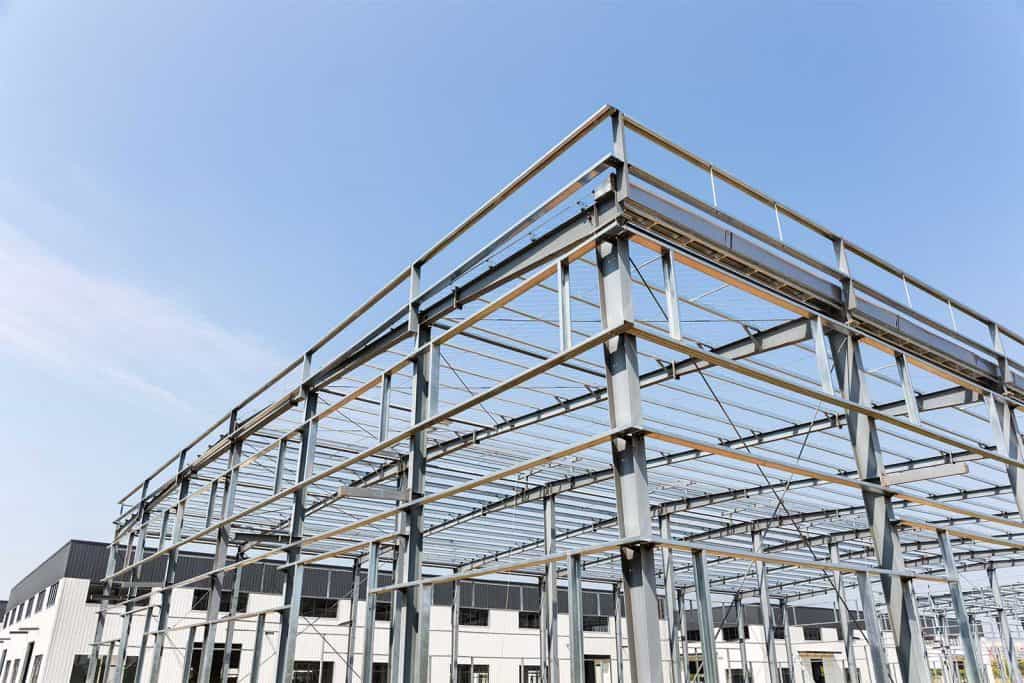
Technology and modern materials can improve construction, but skilled professionals remain essential to successful development. Architects, civil engineers, structural designers, construction managers, and technicians bring different areas of expertise to a project. Their combined knowledge helps transform an initial idea into a practical and reliable structure.
Continuous education is becoming increasingly important because construction standards, digital tools, and environmental expectations continue to evolve. Professionals need opportunities to understand new design methods, building regulations, safety procedures, and material technologies. Universities, technical institutions, professional organizations, and industry training programs can all contribute to developing these skills.
Ideas discussed through structurespy com also highlight the value of accessible technical knowledge. Learning about construction principles should not be limited to experienced professionals. Students, property owners, aspiring designers, and individuals interested in engineering can benefit from understanding how structural systems work.
Challenges That Could Influence the Future of Construction
Although the construction industry has access to more advanced technologies than ever before, several challenges continue to affect development. Rising material costs, skilled labour shortages, supply chain interruptions, changing regulations, and project delays can make construction difficult. These issues require careful planning and effective communication between stakeholders.
Another challenge is the difference in technology adoption between large construction companies and smaller contractors. Major organizations may have the financial resources to invest in sophisticated software, automated machinery, and advanced monitoring systems. Smaller businesses may face difficulties because of initial costs, limited training opportunities, or a lack of technical support.
The industry must also address environmental concerns without making essential infrastructure unaffordable. Sustainable materials and energy-efficient technologies can involve higher initial investments, although they may provide long-term benefits. Decision-makers must evaluate both immediate budgets and future operating expenses.
Some practical approaches can help address these challenges:
-
Invest in professional training and technical education.
-
Improve communication between designers, contractors, and clients.
-
Select materials based on performance, durability, and environmental impact.
-
Use digital planning tools to identify project risks early.
-
Establish regular inspection and maintenance schedules.
These steps can help construction organizations become more adaptable and prepared for future demands.
How Innovative Ideas Can Shape Future Cities
The cities of the future will need infrastructure that responds to population growth, climate challenges, and changing lifestyles. Urban development must consider housing availability, public transportation, green spaces, water management, energy systems, and community facilities. Successful city planning requires cooperation between engineers, architects, government authorities, environmental specialists, and residents.
One important direction is mixed-use development, where residential, commercial, and recreational spaces are planned within accessible areas. This approach can reduce the need for long daily journeys and support more connected communities. Walkable streets, cycling infrastructure, public transportation, and accessible public spaces can also improve urban living conditions.
Another important development is adaptive infrastructure. Buildings and public spaces should be capable of responding to changing requirements. For example, a commercial structure may need to accommodate different working arrangements in the future. Flexible interior layouts and adaptable service systems can make such changes easier without requiring complete reconstruction.
Frequently Asked Questions
1. What Is the Importance of Innovation in Modern Construction?
Innovation helps improve construction quality, project efficiency, structural safety, and environmental performance. It allows professionals to explore better materials, digital planning systems, and improved building techniques. These developments can reduce unnecessary expenses and help create structures that remain useful for longer periods.
2. How Does Technology Improve Structural Design?
Technology supports structural design through digital modeling, engineering simulations, data analysis, and automated measurement systems. These tools allow engineers to examine design possibilities, identify potential conflicts, and evaluate structural performance before construction begins. Professional supervision remains necessary to ensure reliable results.
3. Why Is Sustainable Construction Important for the Future?
Sustainable construction helps reduce resource consumption, construction waste, and the environmental impact of buildings. Energy-efficient systems and responsible material choices can also improve long-term operating performance. These practices are important for developing communities that can meet present needs without unnecessarily affecting future generations.
4. How Can Smart Buildings Improve Everyday Life?
Smart buildings use connected technologies to manage lighting, temperature, security, and energy consumption. These systems can improve indoor comfort, simplify building management, and identify operational problems. Their effectiveness depends on appropriate design, maintenance, and data security.
5. What Role Does Structurespy Com Play in Understanding Modern Development?
Structurespy com can be considered a keyword associated with exploring structural design, engineering ideas, construction innovation, and technological progress. Topics connected with it provide opportunities to understand how modern planning and responsible construction principles can contribute to better infrastructure and improved living environments.
6. What Skills Will Be Important for Future Construction Professionals?
Future construction professionals will benefit from knowledge of structural engineering, digital design software, sustainable materials, project management, and construction safety. Communication, critical thinking, teamwork, and problem-solving will also remain valuable because modern projects require cooperation between professionals from different disciplines.
Conclusion
Building a better future requires a combination of innovative thinking, responsible engineering, technological progress, and environmental awareness. The construction industry has an important responsibility to create structures that are safe, efficient, adaptable, and suitable for the changing needs of society. From digital design platforms and intelligent buildings to sustainable materials and improved structural planning, modern developments are creating new opportunities for meaningful progress.
The ideas inspired by structurespy com demonstrate the importance of connecting creative solutions with practical construction knowledge. However, successful development depends on more than adopting the latest technology. It requires careful planning, professional expertise, reliable safety standards, and a commitment to long-term performance. Every decision, from selecting building materials to designing public infrastructure, can influence the quality of future environments.
As cities expand and environmental challenges become more important, the demand for thoughtful construction practices will continue to grow. By investing in education, embracing suitable technologies, encouraging collaboration, and prioritizing sustainability, the industry can move toward a more responsible future. Ultimately, building a better world begins with ideas that are transformed into practical solutions capable of improving communities for generations to come.
