

Introduction
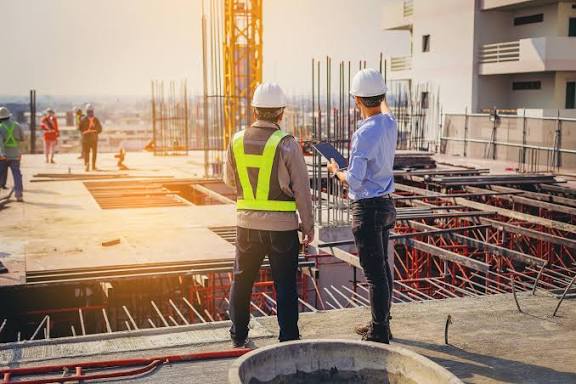
The construction industry is experiencing a significant transformation as engineers, architects, and developers explore materials that offer greater strength, improved durability, and better environmental performance. Traditional materials such as concrete, steel, timber, and brick continue to play essential roles, but modern construction increasingly incorporates innovative alternatives designed to address the demands of contemporary buildings. From high-performance concrete and engineered timber to self-healing materials and carbon-conscious composites, these developments are changing how structures are designed, constructed, and maintained. Structurespy com can serve as a useful topic for exploring the relationship between structural engineering, material innovation, and the future of the built environment.
Advanced building materials are important because modern construction faces several interconnected challenges. Urban populations are growing, infrastructure projects are becoming more complex, and climate change is increasing the need for resilient buildings. At the same time, developers must consider construction costs, energy efficiency, material availability, and environmental regulations. Selecting appropriate materials requires more than comparing initial prices. Engineers must evaluate how a material behaves under different loads, how long it lasts, what maintenance it requires, and how its production affects the environment.
Understanding the Evolution of Building Materials

From Traditional Materials to Modern Engineering Solutions
For centuries, builders relied on locally available stone, timber, clay bricks, and lime-based mortars. These materials were selected according to climate, geography, construction techniques, and the resources available within a community. Traditional buildings often demonstrated remarkable durability because their materials suited local conditions and their designs reflected generations of practical experience. However, limitations in material consistency, construction speed, and structural capacity restricted the scale and complexity of many projects.
The industrial revolution introduced mass-produced steel, Portland cement, and improved glass manufacturing, making it possible to construct taller buildings, longer bridges, and more ambitious infrastructure. Reinforced concrete combined the compressive strength of concrete with the tensile capacity of steel reinforcement, creating a versatile structural system used around the world. Later advances in chemical admixtures, fabrication techniques, and computer-assisted engineering expanded the possibilities further. Today, the discussion surrounding structurespy com can be connected to this continuing transition from conventional construction toward advanced, performance-driven material selection.
Advanced Building Materials Transforming Construction
High-Performance and Ultra-High-Performance Concrete
Concrete remains one of the most widely used construction materials because it can be shaped into many forms, is available in numerous markets, and performs well under compressive loads. However, conventional concrete can develop cracks, absorb water, and deteriorate when exposed to aggressive chemicals, repeated freeze-thaw cycles, or poorly controlled environmental conditions. High-performance concrete addresses some of these challenges through carefully designed mixtures, optimized particle distribution, and suitable chemical admixtures.
Ultra-high-performance concrete, often abbreviated as UHPC, takes this approach further by using a dense cementitious matrix and, in many formulations, steel or synthetic fibers. These characteristics can provide exceptionally high compressive strength, improved tensile behavior, and enhanced resistance to certain forms of deterioration. Engineers may use UHPC in bridge components, thin structural elements, specialized connections, and rehabilitation projects where strength and durability are especially important. Its higher material cost and demanding production requirements mean that it is not automatically the best option for every building.
Engineered Timber and Sustainable Wood Products
Engineered timber demonstrates how an established natural material can be adapted for modern structural applications. Products such as cross-laminated timber, glued laminated timber, and laminated veneer lumber are manufactured by bonding wood layers or components to achieve consistent dimensions and predictable performance. Cross-laminated timber, for example, consists of layers arranged in alternating directions, creating large panels that can serve as walls, floors, and roof elements.
These products can support prefabricated construction, reduce on-site work, and shorten certain project schedules. Timber is also relatively lightweight, which may reduce foundation demands compared with heavier structural systems. When sourced responsibly and manufactured efficiently, engineered wood can offer environmental advantages. Nevertheless, the overall benefit depends on forestry practices, manufacturing emissions, transportation, service life, and what happens to the material at the end of its useful life.
Comparing Advanced Building Materials
Different materials offer different advantages, and no single product is ideal for every construction project. Engineers consider structural loads, climate, building height, construction methods, budget, maintenance, and sustainability targets before making a selection.
| Material | Main advantages | Common applications | Important considerations |
|---|---|---|---|
| High-performance concrete | Strength, durability, adaptable design | Bridges, commercial buildings, infrastructure | Mixture control, curing, cost |
| Engineered timber | Lightweight, prefabrication potential, renewable sourcing | Mid-rise buildings, floors, roofs, modular construction | Moisture, fire protection, sourcing |
| Fiber-reinforced polymers | High strength-to-weight ratio, corrosion resistance | Structural strengthening, specialist components | Cost, fire behavior, recycling |
| Recycled steel | High structural capacity and potential material circularity | Frames, industrial buildings, infrastructure | Fabrication, embodied carbon, corrosion protection |
| Aerogel insulation | Very low thermal conductivity in suitable products | Specialized insulation and retrofit applications | Price, installation, product selection |
| Self-healing concrete | Potential reduction in crack-related maintenance | Research projects and selected concrete applications | Validation, cost, long-term performance |
The table provides a general comparison rather than a universal ranking. Actual performance depends on the particular product, design specification, installation quality, and operating environment. For instance, recycled steel can contribute to resource efficiency, but its total environmental impact depends on how it is produced, transported, and fabricated. Similarly, advanced insulation can improve building energy performance only when installed as part of an effective building envelope.
Smart Materials and Self-Healing Technologies
Materials That Respond to Their Environment
Smart building materials are designed to respond to environmental changes or provide useful information about structural conditions. Examples include phase-change materials that absorb and release thermal energy, electrochromic glazing that changes its light transmission, and certain shape-memory alloys that recover a predefined shape under suitable conditions. These technologies can help buildings manage heat, improve occupant comfort, or support specialized structural functions.
Phase-change materials are particularly relevant to energy-efficient building design. They can store thermal energy when temperatures rise and release it when conditions cool, helping moderate indoor temperature fluctuations. Their effectiveness depends on the material’s transition temperature, placement, local climate, and integration with ventilation and insulation systems. They should not be treated as a substitute for sound passive design, but they may improve the performance of a well-designed building.
Self-Healing Concrete and Crack Management
Concrete cracks can develop because of shrinkage, temperature changes, structural loading, and other environmental or construction factors. Not every crack indicates a serious structural problem, but cracks may create pathways for water and aggressive substances to enter a concrete element. This can contribute to reinforcement corrosion and long-term deterioration if the underlying cause is not addressed.
Researchers are investigating several self-healing approaches. Some concrete mixtures use bacteria or mineral-forming processes to seal certain cracks, while others incorporate encapsulated healing agents or materials that react when exposed to moisture. Autogenous healing, which occurs through natural processes within cement-based materials, can also close some small cracks under suitable conditions. These methods have different limitations, and their performance depends on crack width, moisture availability, exposure conditions, and mixture composition.
Sustainable Materials and the Circular Construction Economy
Reducing Waste and Embodied Carbon
Sustainability has become a major consideration in material selection because buildings create environmental impacts throughout their life cycles. Operational energy use is one part of the picture, but manufacturing, transportation, construction, repair, and demolition also contribute to a building’s total footprint. These impacts are often assessed through life-cycle analysis, which compares environmental effects across defined stages of a product or building’s life.
Recycled steel, reclaimed timber, recycled aggregates, and products manufactured with lower-carbon processes can contribute to more resource-efficient construction. Reuse is particularly valuable when existing components can safely remain in service, because avoiding new production may reduce the demand for raw materials and energy. However, reused products still require suitable inspection, documentation, and verification to establish that they meet project requirements.
Important Considerations for Sustainable Material Selection
Construction professionals can improve material decisions by focusing on a few practical priorities:
- Compare embodied carbon and durability using consistent assessment methods.
- Choose materials that suit local climate conditions and exposure risks.
- Consider recycled content, responsible sourcing, and future reuse potential.
- Evaluate maintenance requirements and total life-cycle costs.
These priorities work best when they are incorporated early in the design process. Changing a specified material late in construction can affect structural calculations, procurement, detailing, and regulatory approval. Early collaboration between architects, engineers, contractors, and suppliers helps ensure that sustainability targets remain compatible with safety and buildability.
Digital Technology and Advanced Material Performance
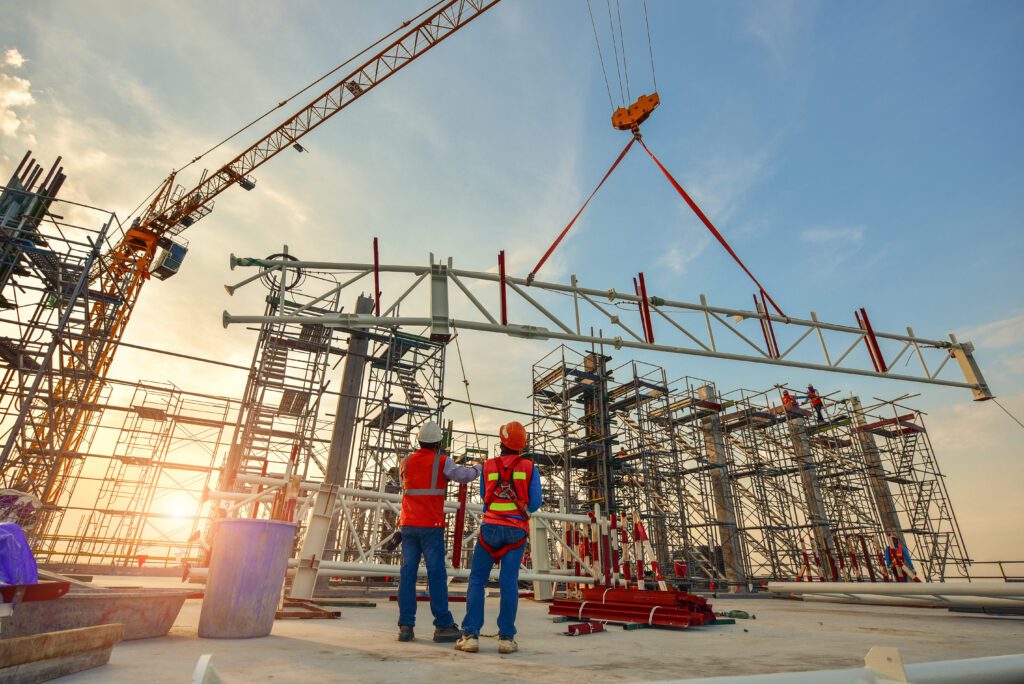
Building information modeling, digital twins, computational analysis, and sensor-based monitoring are changing how construction materials are selected and managed. Building information modeling helps coordinate architectural, structural, and building-services information within a shared digital environment. Engineers can use it to review dimensions, identify conflicts, compare design options, and improve documentation before work begins on-site.
Digital twins can extend this approach by connecting a digital representation of a building or infrastructure asset with information collected during operation. When suitable sensors are installed, they may monitor factors such as temperature, vibration, moisture, strain, or movement. This information can support maintenance planning and help engineers investigate changes in structural behavior. However, sensor readings require appropriate interpretation, and monitoring does not replace physical inspections or professional assessment.
Challenges Affecting the Adoption of Advanced Materials
Despite their potential, advanced materials face practical barriers. Initial prices can be higher than those of conventional alternatives, particularly when products require specialized manufacturing, transportation, equipment, or installation skills. Limited regional availability may increase lead times and make quality assurance more difficult. Contractors may also need training before they can work with unfamiliar products safely and consistently.
Building regulations and testing standards present another consideration. A new material must demonstrate appropriate structural, fire, thermal, moisture, and durability performance for its intended application. Designers need reliable technical documentation, verified test results, and compliance with relevant local codes. In India, for example, material selection should account for regional climatic conditions, applicable Indian Standards, local approvals, and the requirements of the particular project.
The Future of Advanced Building Materials
The next phase of material innovation is likely to focus on combining performance, affordability, sustainability, and adaptability. Researchers and manufacturers are exploring lower-carbon binders, bio-based construction products, improved insulation, recyclable composites, and more efficient methods of producing conventional materials. Progress will depend not only on technical breakthroughs but also on manufacturing capacity, standards, supply chains, and the willingness of construction teams to adopt verified solutions.
Hybrid construction systems are another important direction. A building may combine concrete cores, steel connections, engineered timber floors, high-performance glazing, and advanced insulation. Each material performs a specific role, allowing designers to balance structural strength, fire safety, energy efficiency, and construction speed. The success of such systems depends on carefully designed interfaces between materials, since differences in movement, thermal expansion, moisture response, and durability can create problems if ignored.
Frequently Asked Questions
1. What are advanced building materials?
Advanced building materials are products developed or engineered to provide specific improvements in strength, durability, insulation, environmental performance, or functionality. Examples include ultra-high-performance concrete, engineered timber, fiber-reinforced polymers, smart glazing, and specialized insulation products. Their suitability depends on the requirements of a particular project.
2. How do advanced materials improve modern construction?
They can improve structural efficiency, reduce unnecessary weight, extend service life, enhance thermal performance, and support prefabricated construction. Some materials may also reduce maintenance demands or environmental impacts. The actual benefits depend on design quality, installation, cost, climate, and long-term performance.
3. Are sustainable building materials always more expensive?
Not necessarily. Some sustainable materials have higher upfront costs, while others are competitively priced or readily available. A complete comparison should include transportation, installation, energy performance, maintenance, durability, and end-of-life options. A higher initial investment may be worthwhile when it delivers measurable long-term benefits.
4. Can self-healing concrete eliminate structural repairs?
No. Self-healing concrete can help seal certain small cracks under suitable conditions, but its capabilities vary by technology and application. It cannot be relied upon to repair every type of damage or restore structural capacity automatically. Professional inspection and conventional repair remain necessary when structural problems are identified.
5. How does digital technology support advanced building materials?
Digital tools help engineers compare designs, coordinate construction information, monitor building conditions, and plan maintenance. Sensors can provide information about movement, strain, temperature, or moisture, while analytical systems can help identify patterns. These tools support engineering decisions but still require reliable data and expert interpretation.
6. What should builders consider before choosing a new material?
Builders should evaluate structural performance, applicable codes, fire safety, environmental exposure, availability, installation requirements, total cost, and expected service life. They should also examine technical documentation and independent testing where appropriate. A material should be selected because it meets verified project requirements, not simply because it is new.
Conclusion
The evolution of advanced building materials is reshaping construction by expanding the possibilities for stronger structures, better energy performance, lower environmental impacts, and more efficient project delivery. High-performance concrete, engineered timber, smart materials, self-healing technologies, and recycled products each offer potential benefits, but their success depends on appropriate design, careful installation, and evidence-based evaluation. No material can solve every construction challenge, making informed comparison and collaboration essential.
The future of construction will likely combine traditional engineering knowledge with new material technologies and digital tools. By considering durability, safety, affordability, and environmental performance throughout a building’s life cycle, professionals can create structures that serve communities more effectively. Exploring structurespy com alongside these developments provides an opportunity to understand how material innovation, structural engineering, and modern construction practices work together to shape the built environment.
