

Introduction
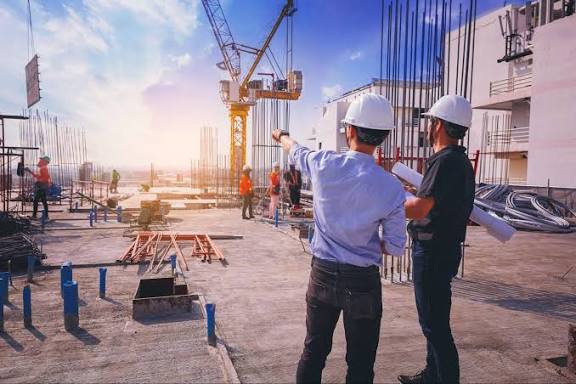
The construction industry is changing rapidly as technology becomes an increasingly important part of how buildings and infrastructure are designed, planned, constructed, inspected, and maintained. Traditional construction methods remain valuable, but modern projects now require greater precision, improved communication, better resource management, and stronger attention to sustainability. Digital tools, advanced materials, automation, data analysis, and intelligent design processes are helping construction professionals respond to these demands. In this changing environment, structurespy com represents a technology-focused concept associated with smarter approaches to construction and structural development.
Modern construction is no longer limited to physical work at a building site. Before construction begins, teams may use digital models, project-management platforms, structural analysis software, geographic information, and detailed simulations to understand how a project will perform. During construction, connected technologies can improve coordination between architects, engineers, contractors, and suppliers. After completion, digital records and monitoring systems can help owners understand building performance and plan maintenance. These developments are creating a more connected construction lifecycle in which information can support decisions at every stage.
The idea behind structurespy com is particularly relevant to this broader transition because smarter construction depends on combining technical knowledge with practical project requirements. Technology is most useful when it solves genuine problems, such as reducing material waste, identifying design conflicts earlier, improving site safety, or helping teams maintain accurate project information. As construction becomes more digitally connected, understanding these technologies can help professionals make better-informed decisions about planning and implementation.
Understanding Smarter Construction Technology
Smarter construction technology refers to the use of digital and advanced technical solutions to improve the way construction projects are designed, delivered, monitored, and maintained. It includes technologies ranging from Building Information Modeling (BIM) and cloud collaboration to drones, sensors, artificial intelligence, robotics, digital twins, and automated measurement systems. These tools do not necessarily replace traditional construction expertise. Instead, they provide additional information and capabilities that allow professionals to work with greater visibility and control.
One of the most important changes is the movement from isolated project information toward connected digital workflows. In a conventional project, architectural drawings, structural calculations, schedules, material information, and site records may exist across different systems. Modern platforms can bring much of this information together, allowing teams to coordinate more effectively. When a design change occurs, for example, digital workflows can make it easier to identify which elements of the project may be affected. This can reduce misunderstandings and help teams respond before a small issue becomes an expensive site problem.
How Digital Planning Is Transforming Construction
Building Information Modeling and Digital Coordination
Building Information Modeling has become an important part of digital construction because it allows project teams to create detailed digital representations of physical structures. A BIM model can contain information about geometry, materials, systems, and other project characteristics. Rather than treating a building as a collection of separate drawings, BIM encourages teams to work with a coordinated digital environment.
This approach can be particularly useful during the design and coordination stages. Architects, structural engineers, and building-services specialists can review how their respective systems interact before construction begins. Potential clashes between structural components, electrical systems, plumbing, ventilation, and other services may be identified digitally. Resolving such conflicts earlier can help reduce rework and improve project coordination.
Data-Driven Project Management
Construction generates significant amounts of information, including schedules, quantities, costs, inspection records, drawings, equipment data, and site reports. Digital project-management systems can help organize this information so that project leaders can make decisions based on current data rather than incomplete records.
The growing importance of data also means construction companies need processes for maintaining accurate information. A sophisticated digital platform cannot compensate for poor-quality data. Information must be entered consistently, reviewed when necessary, and made accessible to the appropriate members of the project team. This balance between technology and disciplined processes is central to achieving practical benefits from digital construction.
The Role of Artificial Intelligence in Construction
Artificial intelligence is becoming an increasingly discussed technology across the construction sector. Its potential applications include analyzing project information, identifying patterns in historical data, supporting scheduling, monitoring progress, and helping teams identify potential risks. AI systems can process large volumes of information much faster than manual analysis, although human oversight remains important when decisions involve safety, engineering judgment, regulations, or significant financial consequences.
For example, a construction organization may analyze historical project information to understand recurring delays. If certain types of procurement, weather conditions, design changes, or site constraints frequently contribute to schedule problems, data-analysis tools can help project managers recognize those patterns. The objective is not simply to automate decisions but to provide useful information that supports better planning.
The broader technology discussion represented by structurespy com can therefore be connected to the growing importance of intelligent data use. As construction companies collect more digital information, the ability to interpret that information effectively becomes almost as important as collecting it. Successful adoption requires both appropriate technology and professionals who understand how to apply its results in real project environments.
Drones, Sensors, and Site Monitoring
Drones have become useful for construction surveying, progress documentation, inspection, and site mapping. Aerial images can provide project teams with perspectives that are difficult or time-consuming to obtain through conventional methods. Regular drone surveys can also create a visual record of progress, helping managers compare actual site conditions with project plans.
Sensors offer another layer of information. Depending on the project, connected devices may monitor environmental conditions, equipment performance, structural movement, temperature, vibration, or other measurable factors. This information can support maintenance and operational decisions, particularly when collected consistently over time.
The value of these technologies depends on how the information is interpreted. A large amount of data does not automatically create a smarter project. Teams need clear objectives for monitoring, appropriate thresholds for action, and procedures for responding when unusual conditions are detected. Technology works best when it becomes part of a practical decision-making process rather than an isolated experiment.
Construction Technology and Sustainability
Sustainability has become an increasingly important consideration in modern construction. Buildings consume resources throughout their lifecycle, from material extraction and manufacturing to construction, operation, renovation, and eventual demolition or reuse. Technology can support sustainability by helping teams understand resource requirements and evaluate alternatives during planning.
Digital models can assist with quantity calculations and design coordination, potentially reducing unnecessary material use. Energy-analysis tools can help designers examine how factors such as orientation, insulation, glazing, ventilation, and building systems may influence operational performance. Construction-management technologies can also improve material tracking and reduce avoidable waste.
Sustainable construction is not simply about adding new technology to a project. The technology must support measurable environmental objectives while remaining appropriate for the building’s purpose, location, budget, and expected lifecycle. A well-designed project considers sustainability from the earliest planning stages rather than treating it as an additional feature at the end.
Smart Materials and Advanced Building Methods
Materials are another area experiencing significant innovation. Modern construction increasingly explores high-performance concrete, engineered timber, recycled materials, prefabricated components, advanced insulation, and other solutions designed to improve efficiency or performance. The suitability of a material depends on structural requirements, climate, availability, cost, durability, regulations, and installation conditions.
Prefabrication and modular construction are also changing how certain projects can be delivered. Components can be manufactured in controlled environments and transported to the construction site for assembly. This can improve consistency and potentially reduce some site activities, although transportation, logistics, design standardization, and site preparation must also be carefully managed.
| Technology | Common Construction Application | Potential Benefit |
|---|---|---|
| BIM | Digital design and coordination | Better information management |
| Drones | Surveying and progress monitoring | Faster site documentation |
| Sensors | Monitoring conditions and equipment | More timely project information |
| AI | Data analysis and risk support | Improved decision support |
| Digital twins | Lifecycle and operational analysis | Better asset understanding |
These technologies demonstrate why structurespy com can be viewed within the wider movement toward integrated construction innovation. No single tool can transform a project on its own. The greatest benefits often emerge when several technologies work together around clearly defined project objectives.
Improving Safety Through Technology
Construction remains a complex working environment where safety requires continuous attention. Technology can support safety management by improving visibility, communication, monitoring, and training. Wearable devices, digital inspection systems, drones, sensors, and virtual training environments are examples of technologies that can contribute to safety programs.
Digital inspection tools can help teams record hazards and track corrective actions more consistently. Drones may allow inspections of difficult-to-access areas without immediately placing workers in those locations. Virtual or simulated environments can also provide opportunities for workers to practice procedures before encountering challenging situations on an active site.
However, technology should complement established safety procedures rather than replace them. Effective safety depends on competent personnel, appropriate equipment, training, supervision, regulatory compliance, and a workplace culture that takes hazards seriously. Digital tools can provide additional information, but people remain responsible for interpreting conditions and taking appropriate action.
The Importance of Connected Collaboration
Construction projects involve many participants, and communication problems can create delays and additional costs. Architects, engineers, contractors, subcontractors, suppliers, inspectors, and owners often need access to different parts of the same project information. Cloud-based collaboration platforms can make it easier to share current documents, drawings, schedules, and project records.
Connected collaboration is especially valuable when project teams work from different locations. Instead of relying entirely on physical documents or individual email attachments, teams can use centralized systems where authorized users access current information. Version control can also help reduce confusion about which drawing or document should be used.
For structurespy com, this connected approach reflects an important principle of smart construction: information should move efficiently between the people who need it. Technology becomes valuable when it improves communication as well as technical capability.
Challenges of Adopting Construction Technology
Despite its potential, digital construction has several challenges. Initial investment can be significant, especially for smaller contractors that may not have large technology budgets. Employees may also need training, and organizations may need to redesign existing workflows before new systems can deliver meaningful results.
Cybersecurity and data management are additional considerations. As construction companies become more dependent on connected systems, protecting project information becomes increasingly important. Access controls, secure systems, backups, data governance, and clear responsibilities can help organizations manage these risks.
A practical technology strategy should therefore focus on solving specific problems instead of adopting every new tool available. Construction businesses can begin by identifying where inefficiencies occur and then evaluating whether technology can address them effectively.
Practical Priorities for Smarter Adoption
A construction organization considering digital transformation can begin with several straightforward priorities:
- Identify repetitive or inefficient processes that could benefit from digital tools.
- Train employees before introducing complex systems across large projects.
- Establish clear standards for project data and document management.
- Measure whether technology produces practical improvements in time, cost, quality, or safety.
Starting with manageable improvements can make digital transformation easier to understand and scale. A company does not need to modernize every process simultaneously. Gradual adoption can allow teams to learn from experience and adjust workflows before expanding technology across additional projects.
Future Trends in Construction Technology
The future of construction technology is likely to involve greater integration between digital systems rather than isolated technological tools. AI, BIM, robotics, sensors, cloud platforms, digital twins, and advanced analytics can increasingly exchange information as part of connected project environments. This could help organizations understand projects across their entire lifecycle, from early design through construction and long-term operation.
Robotics and automation may also become more prominent for selected repetitive or hazardous tasks. Automated equipment could support activities such as surveying, material movement, inspection, or certain fabrication processes. At the same time, human expertise will remain essential because construction projects involve unpredictable physical conditions, complex regulations, design decisions, and site-specific challenges.
The concept associated with structurespy com fits naturally into this future because smarter construction is ultimately about using technology to improve how people plan, build, monitor, and maintain structures. The goal is not technology for its own sake. It is the development of construction processes that are more informed, coordinated, efficient, resilient, and adaptable.
Frequently Asked Questions
What does smarter construction technology mean?
Smarter construction technology refers to digital and advanced technical tools that improve construction planning, design, coordination, monitoring, safety, and asset management. It can include BIM, AI, drones, sensors, cloud collaboration, robotics, digital twins, and data-analysis systems.
How can digital technology improve construction projects?
Digital technology can improve construction by making project information easier to coordinate and analyze. For example, digital models can help identify design conflicts, while project-management systems can improve communication and information tracking. The actual benefits depend on implementation and the quality of project data.
Is artificial intelligence useful for construction companies?
AI can support construction companies by analyzing information, identifying patterns, assisting with forecasting, and supporting certain planning processes. It should be used alongside professional judgment, particularly when decisions involve safety, engineering requirements, regulations, or major financial consequences.
Can construction technology support sustainability?
Yes. Digital design and analysis tools can help teams evaluate material quantities, energy performance, waste, and lifecycle considerations. Technology can support sustainability, but environmental performance also depends on design choices, materials, construction practices, building operation, and maintenance.
Why is data important in modern construction?
Data provides information about project progress, costs, resources, quality, equipment, schedules, and site conditions. When collected and managed properly, it can help project teams identify problems earlier and make better-informed decisions. Poor-quality data, however, can reduce the usefulness of digital systems.
What is the future of construction technology?
The construction industry is moving toward more connected digital workflows involving AI, BIM, automation, sensors, cloud platforms, robotics, and digital twins. The future will likely emphasize integration and lifecycle management rather than relying on individual technologies in isolation.
Conclusion
Construction technology is moving beyond simple digitization toward connected systems that can support decisions throughout a project’s lifecycle. From BIM and AI to drones, sensors, smart materials, and digital collaboration platforms, modern tools are changing how construction professionals approach planning, coordination, safety, sustainability, and maintenance. These technologies can create meaningful improvements when they are introduced with clear objectives and supported by skilled teams.
The broader vision represented by structurespy com highlights the importance of combining construction expertise with technological innovation. Smarter construction does not mean replacing experienced professionals with machines or software. Instead, it means giving those professionals better information, better coordination, and better tools for addressing complex challenges. As the industry continues to evolve, organizations that approach technology thoughtfully can build processes that are more efficient, informed, and adaptable to changing project requirements.
Ultimately, the future of construction will depend on finding the right balance between human expertise and digital capability. Technology can help identify patterns, improve communication, monitor conditions, and manage information, while architects, engineers, contractors, and other specialists provide the judgment needed to turn information into practical decisions. Structurespy com therefore reflects a broader conversation about how smarter technologies can contribute to the next generation of construction and structural development.
