

Key Takeaways
- Follow the manufacturer’s maintenance schedule.
- Consider Denver’s weather, elevation, and mountain driving.
- Regularly check tires, brakes, batteries, and fluids.
- Monitor recalls and software updates.
- Budget for routine and unexpected repairs.
- Keep detailed maintenance and service records.
- Prepare the vehicle for seasonal storage and long trips.
Luxury vehicle ownership in Denver calls for more than reacting to dashboard alerts. High elevation, winter temperature swings, summer heat, mountain drives, and uneven pavement can all influence how a vehicle performs over time. A written plan built around your model, mileage, and driving habits makes service easier to anticipate. For factory-informed inspections and repairs, schedule certified Bentley service in Denver before minor concerns become disruptive. Whether your vehicle is driven daily through the Denver metro area or reserved for weekend trips into the Rockies, low mileage does not eliminate maintenance needs. Batteries can discharge, tires can lose pressure, brake surfaces can corrode, and fluids still age. A practical plan helps preserve comfort, reliability, and confidence behind the wheel.
Why A Maintenance Plan Matters
Luxury vehicles often combine advanced electronics, turbocharged or high-output engines, adaptive suspension, performance braking systems, and larger wheels. These systems benefit from timely inspections, correct fluids, and model-specific diagnostic equipment. A plan turns maintenance into scheduled ownership work rather than a series of unexpected decisions.
Start With The Owner’s Manual
The manufacturer’s maintenance guide should be the foundation. Separate mileage-based items, such as oil changes and filter replacements, from time-based items, such as brake-fluid replacement and annual inspections. Record the specified oil, coolant, tire pressure, filters, and inspection intervals for your exact model, engine, and trim. After each visit, note both the next due date and mileage.
Sort Service Into Clear Groups
Use four categories to keep the plan understandable:
- Routine service: oil and filter changes, fluid checks, diagnostic scans, and cabin or engine air filters.
- Wear items: tires, brake pads and rotors, wipers, batteries, belts, hoses, and seals.
- Seasonal checks: cooling and air-conditioning performance before warm-weather travel, plus battery, tire, and alignment checks before or after winter driving.
- Unexpected repairs: warning lights, leaks, electrical faults, suspension noises, or changes in steering and braking.
Build A Year-Round Checklist
Monthly Tasks
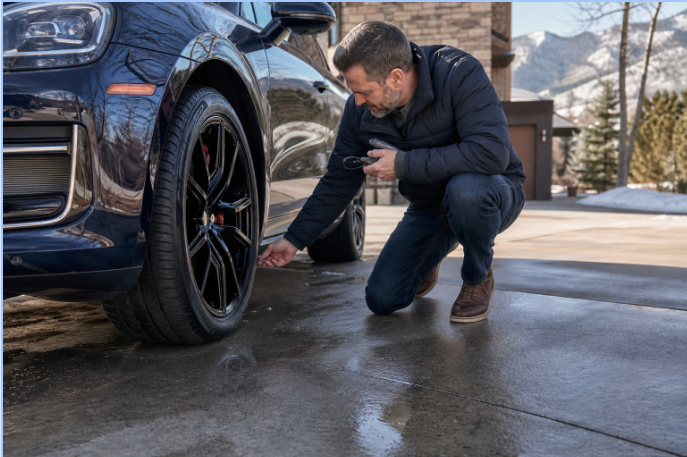
Check cold tire pressures, look beneath the vehicle for fresh fluid spots, and pay attention to new vibrations, noises, warning messages, lighting problems, or poor wiper performance.
Quarterly Tasks
Review upcoming service dates, inspect tread and sidewalls for uneven wear or damage, test the battery if the vehicle sits frequently, and revisit past repair notes for recurring concerns.
Yearly Tasks
Compare completed work against the factory schedule. Forecast likely brake, tire, battery, and fluid needs for the next 12 months, then review warranty, maintenance plan, and service contract expiration dates.
Watch Tires, Brakes, And Batteries
Denver-area potholes, curb impacts, and mountain-road surfaces can be especially hard on low-profile tires and wheel alignments. Inspect tread depth, tire age, sidewalls, and ride quality, rather than relying on mileage alone. Correct pressure also supports efficiency. The Department of Energy notes that keeping tires properly inflated can improve fuel economy by an average of about 0.6%, with potentially larger gains in some cases. Arrange a prompt inspection for squealing, grinding, pedal softness, vibration, pulling, or a change in stopping feel. Battery health deserves equal attention because modern luxury vehicles may continue using power for security, connectivity, and memory systems even while parked.
Include Recalls And Software Updates
Routine maintenance is planned upkeep. A technical service bulletin is manufacturer guidance for diagnosing or repairing a known concern. A safety recall addresses a safety-related defect or a failure to meet a federal safety standard. NHTSA reported 997 recalls involving vehicles, tires, car seats, RVs, and other equipment in 2025, affecting more than 29 million vehicles in the United States. Check your VIN using the NHTSA recall lookup tool at least twice a year, and follow any “do not drive” or “park outside” instructions immediately. Also, ask whether software updates, camera calibration, or diagnostic checks apply to your vehicle.
Plan For Storage And Seasonal Driving
Vehicles stored during ski season, travel periods, or extended absences can develop battery drain, tire flat spots, moisture buildup, pest damage, and brake-surface corrosion. Follow the owner’s manual before using a battery maintainer, confirm tire pressure before and after storage, and inspect fluids, seals, and brakes before returning the vehicle to regular use. Before a longer Colorado road trip, check tires, oil, coolant, battery condition, lights, windshield visibility, and emergency supplies.
Create A Realistic Service Budget
Annual averages can hide expensive service years. Set aside separate amounts for scheduled maintenance, wear items, seasonal preparation, detailing or storage, and unexpected repairs. Keep an emergency reserve separate from the routine maintenance fund. When considering prepaid maintenance or an extended service contract, review covered services and components, deductibles, exclusions, transfer rules, and any required service locations.
Compare Service Providers
Price matters, but it should not be the only consideration. Ask whether technicians know your vehicle’s systems, have the appropriate diagnostic tools, use the correct fluids and parts, and provide warranty coverage for their work. Request a written estimate for major repairs, ask which items are urgent and which can wait, and consider a second opinion for costly, non-safety-critical work.
Keep Better Maintenance Records
Save invoices, inspection reports, tire and alignment records, battery test results, warranty documents, and recall completion paperwork. A spreadsheet, digital folder, or maintenance app can track the date, mileage, work completed, parts used, and next recommended service. Thorough records can identify patterns and make future resale discussions clearer.
Common Questions
How Often Should A Luxury Vehicle Be Serviced?
Follow the manufacturer’s schedule, then account for age, mileage, driving conditions, and storage habits. Calendar-based service still matters for low-mileage vehicles.
Is Dealer Service Always Required?
Requirements vary with warranty terms, recall work, vehicle complexity, and the type of repair. Compare training, equipment, documentation, and parts quality before making a choice.
When Should A Driver Stop Using The Vehicle?
Stop and seek professional guidance for overheating, oil-pressure warnings, severe brake problems, strong fuel odors, smoke, major leaks, or sudden changes in steering or suspension.
Conclusion
A smart Denver luxury car maintenance plan combines factory recommendations with real driving habits, seasonal preparation, reliable records, and a practical repair budget. Denver’s changing temperatures, winter road conditions, highway commuting, and occasional mountain travel can make it useful to pay attention to tires, brakes, fluids, batteries, and other wear items year-round. Following the manufacturer’s recommended service intervals provides a starting point, while actual mileage, driving patterns, vehicle age, and condition can help determine when additional attention may be appropriate. Keeping organized service records also makes it easier to track completed work, identify upcoming maintenance, and provide useful information to future owners. Before winter or longer road trips, drivers can review tire condition, fluid levels, lights, wipers, and emergency supplies. Setting aside money for routine service and unexpected repairs can further reduce financial surprises. This balanced approach supports safer, more predictable, and better-organized luxury vehicle ownership throughout 2026.
