

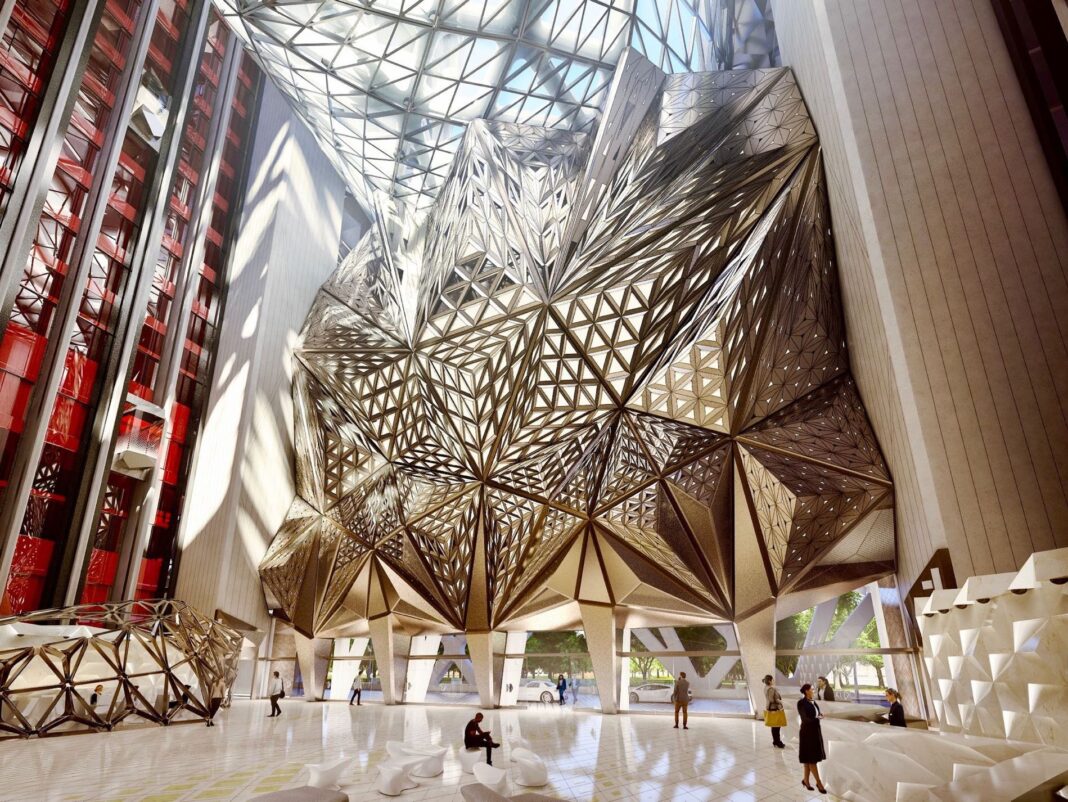
Introduction
Structural development is an essential part of modern civilization. From residential buildings and commercial complexes to bridges, highways, industrial facilities, and public infrastructure, well-planned structures support the way people live, work, and interact. As cities continue to expand and construction requirements become more complex, the industry is exploring creative approaches that combine engineering knowledge, modern technology, sustainability, and practical design. The goal is no longer limited to constructing strong buildings; it also involves creating spaces that are efficient, adaptable, environmentally responsible, and capable of meeting future needs.
The construction and engineering industries are experiencing significant changes through digital planning tools, advanced materials, automated equipment, and innovative architectural concepts. These developments are helping professionals improve project coordination, reduce unnecessary expenses, and achieve better construction outcomes. In this changing environment, StructureSpy Com represents an interesting keyword through which readers can explore modern structural ideas, creative engineering practices, and the relationship between technology and construction.
Understanding the Meaning of Modern Structural Development

Structural development refers to the process of planning, designing, constructing, and improving physical structures to meet specific functional requirements. It involves combining architectural creativity with engineering principles to ensure that buildings and infrastructure remain stable, safe, and useful throughout their intended lifespan. Every structure must respond to its surroundings, expected loads, environmental conditions, and the activities it is designed to support.
Modern structural development has become more comprehensive because construction projects now face increasingly diverse challenges. Urban population growth creates demand for residential and commercial spaces, while climate-related concerns encourage better building performance and resource management. Engineers must consider factors such as wind pressure, earthquakes, soil conditions, temperature changes, and material durability before finalizing a design. These considerations help reduce structural risks and improve the reliability of completed projects.
Another important development is the growing connection between architectural design and engineering efficiency. Architects often focus on appearance, space utilization, and user experience, while structural engineers concentrate on stability, strength, and load distribution. Successful projects bring these responsibilities together rather than treating them as separate activities. This integrated approach creates buildings that are visually appealing while remaining practical and structurally dependable.
Creative Design Approaches in Structural Engineering
Creative design plays a major role in developing modern infrastructure. Traditional construction methods often followed standardized layouts and familiar building patterns. Although these approaches remain valuable, contemporary projects increasingly explore flexible floor plans, open spaces, innovative building shapes, and efficient structural systems. These ideas allow designers to create structures that respond to changing lifestyles and different functional requirements.
One example is the growing use of open-plan interiors in residential and commercial buildings. Instead of relying on numerous internal walls, designers can use carefully planned structural supports to create more flexible spaces. This approach can improve natural lighting, movement, and the overall experience of occupants. However, removing or changing structural elements requires professional engineering assessment because walls, columns, and beams may contribute directly to a building’s stability.
Creative approaches also involve designing buildings that can accommodate future modifications. Commercial spaces, educational facilities, and industrial properties may require different layouts as their purposes change. Structures designed with adaptable spaces and carefully positioned service systems can make future renovations easier. This flexibility can improve the long-term value of a project and reduce the need for major reconstruction.
The Role of Technology in Modern Construction
Technology is transforming the way construction projects are planned and managed. Digital tools allow architects, engineers, contractors, and project managers to exchange information more efficiently. Instead of relying entirely on separate drawings and manual calculations, teams can use digital models to understand how different parts of a project fit together.
Building Information Modeling, commonly known as BIM, is one of the important technologies supporting this transformation. It creates a detailed digital representation of a building that can include architectural, structural, and mechanical information. Professionals can examine potential design conflicts before construction begins, helping them identify coordination problems early. For example, a digital model may reveal that a ventilation system conflicts with a structural beam, allowing the design team to resolve the issue before materials are installed.
Artificial intelligence is also becoming increasingly relevant to construction planning. AI-supported applications can assist with document analysis, project scheduling, design comparisons, and the identification of potential risks. However, these systems should support rather than replace qualified professional judgment. Engineering calculations, safety decisions, and compliance assessments must remain under the supervision of appropriately qualified specialists.
The growing use of drones, laser scanning, and digital monitoring systems is another important development. These technologies can help construction teams inspect difficult-to-access locations, record site conditions, and monitor project progress. Through these applications, StructureSpy Com can be associated with discussions about how digital innovation is influencing structural development and improving coordination across the construction industry.
Sustainable Materials and Environmentally Responsible Construction
Sustainability has become an important consideration in modern infrastructure planning. Construction activities require substantial quantities of raw materials, energy, and transportation resources. Therefore, developers and engineers are exploring ways to reduce environmental impacts while maintaining the safety and performance of buildings.
Recycled steel, reclaimed timber, responsibly sourced construction materials, and lower-carbon concrete alternatives are among the options receiving attention. The suitability of each material depends on the project’s structural requirements, local regulations, availability, and environmental conditions. Choosing materials only because they are described as sustainable is not enough. Their strength, durability, maintenance requirements, and complete life-cycle impacts must also be evaluated.
Energy efficiency is another major part of sustainable structural development. Building orientation, insulation, ventilation, window placement, and shading systems can influence how much energy a property requires. For example, a building designed to use natural daylight effectively may reduce its dependence on artificial lighting during daytime hours. Similarly, appropriate insulation can help maintain comfortable indoor temperatures and reduce heating or cooling requirements.
Water management also contributes to responsible construction. Rainwater harvesting, efficient plumbing systems, wastewater treatment, and landscaping choices can help reduce unnecessary water consumption. These measures are particularly important in regions where water availability is a significant planning concern.
Comparing Traditional and Innovative Construction Methods
Construction methods continue to develop as professionals look for improved efficiency, quality, and project reliability. Traditional techniques remain essential in many projects, but modern alternatives can offer additional advantages when selected appropriately.
| Construction Approach | Main Characteristics | Potential Benefits |
|---|---|---|
| Traditional construction | Conventional on-site building methods | Familiar processes and widely available expertise |
| Prefabricated construction | Components manufactured before site assembly | Faster installation and controlled production |
| Modular construction | Building sections created as separate modules | Greater standardization and construction efficiency |
| 3D printing | Automated placement of suitable construction materials | Design flexibility and reduced material waste in suitable applications |
| Digital construction | Technology-supported planning and coordination | Improved communication and project visibility |
Prefabrication and modular construction are particularly interesting because they move some construction activities away from the project site. Components can be manufactured in controlled facilities and transported for installation. This method may improve consistency and reduce weather-related delays, although transportation limitations, design coordination, and site preparation must be considered.
Three-dimensional printing is another developing approach. Certain construction applications use specialized equipment to deposit concrete-based or other suitable materials in programmed patterns. Although the technology is not appropriate for every building type, it demonstrates how automation can create new possibilities for structural design and construction.
The Importance of Foundation Planning and Structural Safety
A strong structure begins with an appropriately designed foundation. Foundations transfer the weight of a building and other applied loads into the supporting ground. If the foundation is unsuitable for the soil conditions or structural requirements, the building may experience settlement, cracking, movement, or other serious problems.
Before construction begins, engineers generally require information about soil characteristics, groundwater conditions, site topography, and expected building loads. Geotechnical investigations help determine whether shallow foundations, deep foundations, or other specialized solutions are appropriate. The final decision depends on the characteristics of the site and the design of the proposed structure.
Structural safety also depends on the proper selection and arrangement of beams, columns, slabs, connections, and supporting systems. Each component has a specific role in transferring loads through the structure. Engineers must evaluate both ordinary loading conditions and potential exceptional events, such as earthquakes, strong winds, or other hazards relevant to the project location.
Regular inspections and appropriate quality-control procedures are equally important. Materials should meet applicable specifications, construction activities should follow approved drawings, and any design changes should receive the necessary professional review. StructureSpy Com provides a useful context for exploring these foundational principles and understanding why safety must remain central to every construction decision.
Improving Project Management Through Smart Planning
Construction projects involve multiple teams, deadlines, suppliers, budgets, and technical responsibilities. Without effective coordination, even a well-designed project can experience delays and unnecessary expenses. Modern project management therefore focuses on improving communication and making reliable information available throughout the construction process.
Digital scheduling platforms can help project managers track important activities, assign responsibilities, and identify possible delays. When a material delivery is postponed or a particular construction activity takes longer than expected, managers can review how the change may affect other project stages. This makes it easier to adjust schedules and coordinate resources.
Cost management is another important responsibility. Construction budgets should account for materials, labor, equipment, transportation, permits, inspections, and unexpected expenses. Accurate estimates during the planning stage help developers make informed decisions and reduce the possibility of financial difficulties later.
Effective communication between designers, engineers, contractors, and clients is equally valuable. When project information is shared clearly, teams can resolve questions more quickly and reduce misunderstandings. Regular progress meetings, updated documentation, and transparent reporting help maintain accountability.
Challenges Facing the Structural Development Industry

Despite technological progress, the construction sector continues to face several challenges. Rising material costs, labor shortages, supply-chain interruptions, regulatory requirements, and changing environmental conditions can affect project schedules and financial performance. These challenges require practical planning rather than relying entirely on new technologies.
One significant issue is the availability of skilled workers. Modern construction increasingly requires professionals who understand traditional building practices as well as digital tools, automated equipment, and advanced materials. Training programs and professional development can help workers adapt to changing industry requirements.
Another challenge is balancing innovation with affordability. Some advanced construction systems require specialized equipment, technical expertise, and significant initial investment. Although they may provide long-term advantages, their suitability depends on the project’s size, location, budget, and intended use.
Climate resilience is also becoming increasingly important. Buildings and infrastructure must be planned according to local environmental risks, which may include extreme heat, heavy rainfall, flooding, high winds, or seismic activity. Designers should use appropriate engineering standards and location-specific information rather than assuming that one construction solution will work everywhere.
Future Opportunities in Structural Development
The future of structural development will likely involve greater integration between engineering, automation, sustainability, and digital information. As technology improves, construction professionals may gain better tools for understanding project conditions, predicting maintenance requirements, and coordinating complex activities.
Smart buildings are an important part of this direction. Sensors can monitor selected conditions such as temperature, humidity, energy consumption, and equipment performance. In certain applications, structural health monitoring systems can also help engineers observe changes in bridges and other important infrastructure. These systems can support maintenance planning, although they require proper installation, interpretation, and ongoing management.
Another opportunity involves digital twins. A digital twin is a digital representation of a physical asset that can be updated using information from the real-world structure. Depending on the project, it may support performance monitoring, operational planning, and maintenance decisions. Its usefulness depends on the quality of collected information and how effectively teams maintain the digital model.
How to Explore Structural Development More Effectively
Readers interested in construction and engineering can develop a better understanding of the industry by examining projects from multiple perspectives. Instead of focusing only on architectural appearance, it is useful to understand how a structure is planned, how its materials are selected, and how engineers manage safety throughout the construction process.
A few practical areas deserve particular attention:
- Study the relationship between architectural design and structural engineering.
- Understand how different construction materials perform under various conditions.
- Explore digital tools such as BIM and project management software.
- Follow sustainable construction practices and modern building standards.
- Learn why inspections and preventive maintenance are essential.
These areas provide a useful starting point for students, property owners, and professionals who want to understand the decisions behind successful infrastructure projects.
Frequently Asked Questions
1. What is structural development?
Structural development is the process of planning, designing, constructing, and improving buildings and infrastructure. It combines engineering calculations, architectural design, material selection, site investigation, and safety planning to create structures that meet specific requirements.
2. Why is innovation important in structural engineering?
Innovation helps engineers explore better ways to improve construction efficiency, structural performance, sustainability, and project coordination. Modern materials, digital modeling, automation, and advanced monitoring systems can support more informed decisions when applied appropriately.
3. How does technology improve construction projects?
Technology can improve construction through digital design models, automated equipment, drone inspections, project scheduling platforms, and monitoring systems. These tools help professionals coordinate activities, identify potential problems, and manage project information more effectively.
4. What materials are commonly used in modern structural development?
Concrete, structural steel, timber, masonry, and composite materials are widely used in construction. Recycled and lower-carbon alternatives are also gaining attention. The appropriate material depends on structural requirements, environmental conditions, cost, availability, and relevant building regulations.
5. How does sustainability influence modern construction?
Sustainability encourages the efficient use of materials, energy, and water throughout a building’s life cycle. It also promotes durable designs, responsible material sourcing, improved insulation, renewable energy integration, and construction practices that reduce unnecessary waste.
6. How can readers learn more about modern structural development?
Readers can explore engineering fundamentals, construction technologies, sustainable architecture, building materials, and infrastructure case studies. Resources and discussions associated with StructureSpy Com can serve as a starting point for exploring these subjects and developing a broader understanding of modern construction.
Conclusion
Structural development is continuously evolving as construction professionals respond to changing urban needs, technological improvements, environmental responsibilities, and increasing expectations for building performance. Modern infrastructure requires more than strong materials and attractive architectural designs. It depends on careful planning, accurate engineering, effective project management, responsible resource use, and continuous attention to safety.
Creative approaches such as modular construction, digital modeling, sustainable material selection, smart monitoring, and adaptable building layouts are creating new opportunities for the industry. However, successful innovation must always be supported by reliable engineering practices, professional expertise, and compliance with applicable building regulations.
As construction methods continue to advance, understanding the connection between design, technology, and structural performance will become increasingly valuable. StructureSpy Com reflects an opportunity to explore these changing ideas and discover how modern engineering principles can support better infrastructure. By combining creativity with technical knowledge and responsible decision-making, the construction industry can develop structures that serve communities effectively today while remaining useful and resilient for future generations.
