


Introduction
Structural planning is an essential part of modern construction because it determines how buildings, bridges, and other infrastructure projects are designed to remain safe, stable, and functional. As cities expand and construction requirements become more complex, engineers and architects are exploring new ways to improve structural performance. Traditional planning methods remain important, but modern projects increasingly depend on digital tools, innovative materials, environmental considerations, and detailed engineering analysis. These developments are changing how construction professionals approach projects from their earliest design stages.
The growing demand for sustainable buildings, efficient construction schedules, and stronger infrastructure has encouraged the industry to rethink conventional planning strategies. Engineers must now consider more than the basic strength of a structure. They also need to evaluate energy efficiency, long-term maintenance, climate conditions, material availability, and the needs of future occupants. Understanding these connected factors helps construction teams make better decisions and reduce unnecessary complications during development.
Understanding the Changing Landscape of Structural Planning
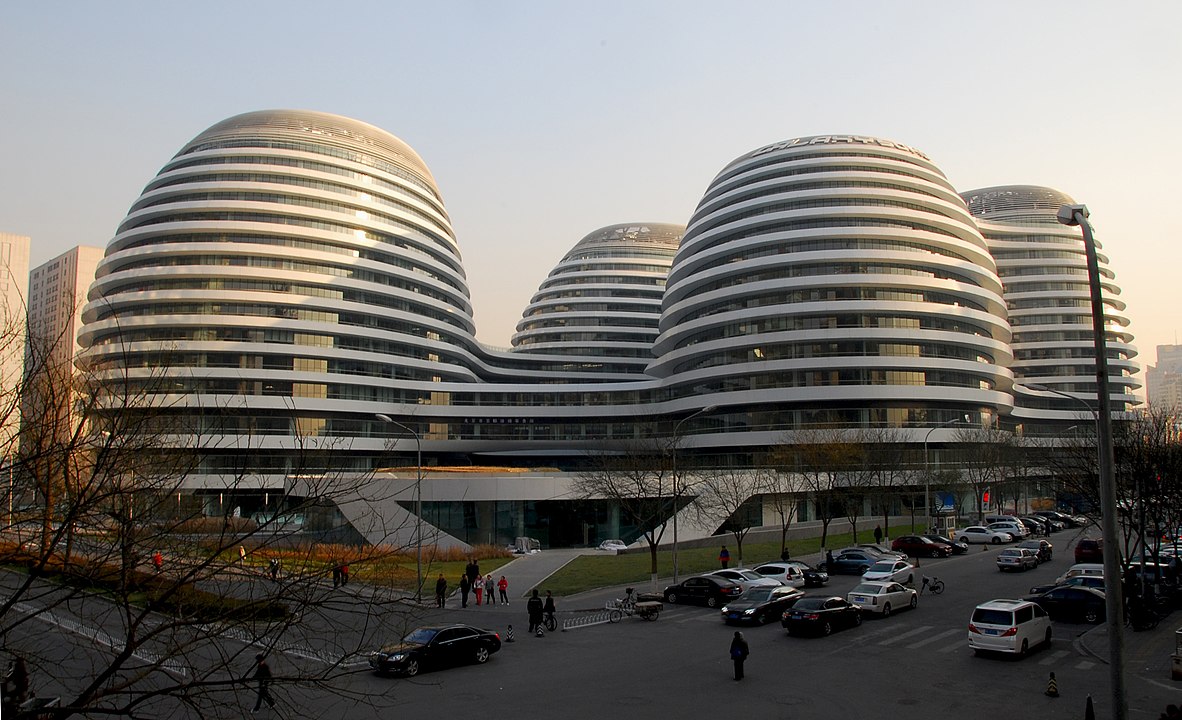
Structural planning has developed significantly as construction technology and engineering knowledge have advanced. In earlier projects, professionals often depended heavily on manual calculations, traditional drawings, and established construction practices. Although these methods provided a strong foundation for the industry, modern buildings frequently require more detailed analysis because of their height, unusual shapes, complex layouts, and environmental demands. Engineers must understand how different structural elements interact and how the entire building responds to changing conditions.
Today, structural planning involves collaboration between architects, civil engineers, structural specialists, contractors, and other professionals. Each participant contributes a different perspective to the development process. Architects concentrate on appearance, space, and usability, while structural engineers evaluate load distribution, stability, and material performance. Contractors consider construction feasibility, labor requirements, and project scheduling. Bringing these perspectives together early can prevent design conflicts and improve project efficiency.
Digital Technology Is Transforming Structural Design
Building Information Modeling and Connected Planning
Building Information Modeling, commonly known as BIM, has become an important technology in contemporary construction. It allows professionals to develop detailed digital representations of buildings containing information about their structural components, dimensions, materials, and systems. Instead of relying entirely on separate drawings, project participants can work with a coordinated model that provides a clearer understanding of the proposed structure.
BIM can help identify design conflicts before construction begins. For example, a structural beam might interfere with ventilation equipment or electrical installations. Identifying this issue during digital planning is generally easier than correcting it after construction work has started. The technology also supports better communication because different teams can review project information within a shared environment. Discussions about digital coordination and engineering improvements are among the subjects readers may explore through structurespy com.
Artificial Intelligence and Engineering Analysis
Artificial intelligence is creating additional opportunities for structural planning. AI-supported applications can help engineers examine large quantities of project information, compare design alternatives, and identify patterns that may require further investigation. Some tools can assist with preliminary calculations, structural optimization, and construction risk analysis.
However, AI should support professional engineering judgment rather than replace it. Structural safety depends on accurate assumptions, appropriate design standards, reliable information, and qualified technical review. Engineers remain responsible for checking calculations and confirming that proposed solutions satisfy applicable regulations. When used carefully, AI can reduce repetitive work and give professionals more time to focus on complex engineering decisions.
Sustainable Materials Are Reshaping Construction Strategies
Sustainability has become a major consideration in structural planning because construction activities require substantial resources and contribute to environmental impacts. Modern engineers are increasingly evaluating materials based on their strength, durability, production processes, transportation requirements, and potential for reuse. The objective is not simply to select environmentally friendly products but to identify materials that provide reliable structural performance throughout the building’s life.
Low-carbon concrete, recycled steel, engineered timber, and alternative construction products are receiving greater attention. These materials can offer environmental advantages when selected appropriately and used according to established engineering requirements. For example, recycled steel can reduce the need for newly produced raw materials, while responsibly sourced engineered timber can provide an effective structural option for certain building types.
Material selection must always consider the specific requirements of a project. A material that performs well in one climate or building design may not be suitable for another. Engineers need to evaluate moisture exposure, temperature changes, fire resistance, corrosion risks, maintenance requirements, and expected loads. Structurespy com provides a useful subject for exploring how material innovation and structural planning are connected in the modern construction environment.
The Importance of Data-Driven Structural Decisions
Modern structural planning increasingly depends on accurate data. Engineers collect information about construction sites, soil conditions, weather patterns, material characteristics, and expected building usage. This information helps them understand potential challenges before finalizing a design. A data-driven approach can also improve the accuracy of cost estimates and construction schedules.
For example, a project located in an earthquake-prone region requires careful consideration of seismic forces. Engineers need to examine local soil conditions, expected ground movement, building height, and structural configuration. Similarly, projects in areas exposed to heavy rainfall must account for drainage, foundation protection, and possible water-related deterioration. Decisions based on relevant environmental and engineering data can make infrastructure more resilient.
Digital monitoring systems are also becoming increasingly useful after construction. Sensors installed in selected structural components can collect information about vibration, movement, temperature, and other performance indicators. This information may help maintenance teams identify unusual changes and investigate potential problems. However, monitoring systems need appropriate calibration, interpretation, and professional oversight to provide meaningful results.
Comparing Traditional and Modern Structural Planning
Modern planning does not eliminate traditional engineering principles. Instead, it combines established knowledge with new technologies and improved project management practices.
| Planning Factor | Traditional Approach | Modern Approach |
|---|---|---|
| Design process | Primarily manual drawings | Digital modeling and coordinated design |
| Engineering analysis | Conventional calculations | Advanced simulation and computational tools |
| Material selection | Established construction materials | Performance-based and sustainable alternatives |
| Project coordination | Separate departmental communication | Shared digital project information |
| Maintenance | Scheduled inspections | Inspections supported by monitoring data |
| Environmental impact | Limited early consideration | Life-cycle and sustainability assessments |
This comparison demonstrates that modern structural planning is an extension of established engineering knowledge. Traditional calculations, building codes, and proven construction methods remain essential. Digital technologies make it easier to coordinate information and evaluate alternatives, but they do not remove the need for professional expertise. The strongest results often come from combining reliable engineering fundamentals with carefully selected innovations.
Climate-Resilient Infrastructure and Structural Safety
Climate conditions are becoming increasingly important in construction planning. Rising temperatures, intense rainfall, flooding, strong winds, and changing environmental patterns can affect how buildings and infrastructure perform. Engineers must consider the risks relevant to a project’s location and design structures capable of handling expected environmental stresses.
Climate-resilient planning begins with understanding the construction site. Professionals examine local weather information, flood exposure, soil characteristics, drainage conditions, and historical environmental events. A building located in a coastal region may require additional protection against corrosion and strong winds, while infrastructure in a flood-prone location may need improved drainage and suitable foundation arrangements.
Structural safety also depends on redundancy and effective load distribution. A well-planned structure should have a reliable system for transferring loads through its components and into the foundation. Engineers may use suitable reinforcement, bracing, shear walls, and other structural systems depending on the building’s requirements. These measures help improve stability and reduce vulnerability to unexpected forces.
Improving Project Efficiency Through Better Coordination
Construction projects often involve multiple teams working simultaneously. Without effective coordination, small design misunderstandings can create expensive delays. Structural planning therefore needs to consider not only engineering calculations but also communication, scheduling, resource allocation, and construction sequencing.
Modern project management platforms allow teams to share updated drawings, track responsibilities, and monitor project progress. When everyone works with accurate information, the possibility of using outdated designs or overlooking important changes can be reduced. Regular coordination meetings also help identify practical challenges before they affect the construction schedule.
Important Practices for Better Structural Coordination
A more organized planning process can include the following practices:
-
Involve structural engineers and architects during the early design stage.
-
Review digital drawings for possible design conflicts before construction.
-
Establish clear communication between contractors and technical teams.
-
Monitor material quality, project costs, and construction progress regularly.
-
Maintain updated documentation for inspections and future maintenance.
These practices are useful because structural performance depends on the quality of decisions made throughout the project. Even an excellent design can face difficulties when information is incomplete or construction activities are poorly coordinated.
Smart Buildings and the Role of Structural Integration
Smart buildings are changing expectations around how modern infrastructure operates. These buildings may include automated lighting, intelligent heating and cooling systems, energy monitoring, access management, and connected safety equipment. Although these features are often associated with electrical and mechanical engineering, they also influence structural planning.
For example, smart buildings may require additional space for sensors, communication equipment, control systems, and technical installations. Structural engineers and architects need to coordinate these requirements with the building’s overall design. Proper planning helps ensure that equipment can be installed, accessed, and maintained without affecting essential structural components.
The integration of renewable energy systems is another important development. Solar panels, battery storage equipment, and energy-efficient building technologies can influence roof layouts, equipment locations, and structural loading. Engineers must evaluate these requirements during the design process instead of treating them as last-minute additions.
The Growing Importance of Prefabrication and Modular Construction
Prefabrication is another approach gaining attention in modern construction. It involves producing selected building components in a controlled manufacturing environment before transporting them to the construction site. These components may include wall panels, floor systems, structural frames, and other standardized elements.
One major advantage of prefabrication is improved control over manufacturing conditions. Components can be produced using consistent processes, inspected before delivery, and assembled according to carefully prepared plans. This approach may reduce on-site construction time and limit material waste. It can be particularly useful for projects that require repeated building layouts or standardized components.
Modular construction takes this concept further by creating larger sections of a building that are manufactured separately and assembled at the site. However, successful modular projects require precise structural coordination. Engineers must examine transportation restrictions, lifting requirements, connection details, foundation conditions, and the behavior of the completed structure.
Challenges Facing Modern Structural Planning
Despite technological progress, modern structural planning continues to face several challenges. One major concern is the cost of adopting advanced technologies. Digital modeling platforms, monitoring equipment, specialized software, and professional training require investment. Smaller construction businesses may find it difficult to adopt these systems without carefully evaluating their long-term benefits.
Another challenge is the availability of reliable information. Digital tools are only as useful as the data provided to them. Incorrect measurements, outdated drawings, incomplete site investigations, or inaccurate material specifications can lead to poor decisions. Construction teams therefore need strong documentation practices and effective quality-control procedures.
There is also the challenge of balancing innovation with regulatory compliance. New construction materials and design techniques must meet applicable safety requirements. Engineers need to understand local building codes, technical standards, and approval procedures before adopting unfamiliar solutions. Modern planning must remain practical, financially responsible, and focused on public safety.
Future Trends in Structural Planning
The future of structural planning is likely to involve deeper integration between digital technology, environmental analysis, and advanced construction methods. Digital twins, for example, are developing as tools that connect digital building representations with information collected from real structures. These systems can help professionals compare expected performance with actual operating conditions.
Robotics and automation may also influence construction activities. Automated equipment can assist with repetitive tasks, material handling, surveying, and selected manufacturing processes. At the same time, advances in computational design may allow engineers to evaluate more structural alternatives and identify efficient configurations.
Another developing priority is designing buildings for adaptability. Future structures may need to accommodate changing occupancy requirements, new technologies, and different uses over time. Planning for flexible interior layouts, accessible building services, and maintainable structural systems can make infrastructure more useful over longer periods.
Frequently Asked Questions
1. What is modern structural planning?
Modern structural planning is the process of designing and organizing buildings and infrastructure using established engineering principles alongside contemporary technologies. It considers structural strength, stability, materials, environmental conditions, construction methods, and long-term maintenance to create reliable structures.
2. How does digital technology improve structural planning?
Digital technology improves structural planning by allowing engineers to create detailed models, examine design alternatives, identify potential conflicts, and coordinate project information. Tools such as BIM and structural simulation software can support better communication and more informed engineering decisions.
3. Why are sustainable materials important in construction?
Sustainable materials can help reduce resource consumption and environmental impacts while supporting the performance requirements of a building. Recycled steel, low-carbon concrete, and engineered timber are examples of materials that may contribute to more responsible construction when properly selected and specified.
4. How does climate change affect structural design?
Changing climate conditions can increase exposure to heat, flooding, intense rainfall, and extreme weather events. Structural engineers must evaluate location-specific environmental risks and incorporate suitable design measures to improve building durability, safety, and resilience.
5. What role does Structurespy Com have in modern engineering discussions?
Structurespy com is a relevant keyword for exploring topics associated with structural planning, construction innovation, engineering concepts, and modern infrastructure. Such discussions can help readers understand how technology, materials, and design strategies are influencing the construction industry.
6. What is the future of structural planning?
The future of structural planning is expected to involve greater use of artificial intelligence, digital twins, smart monitoring, prefabrication, and sustainable materials. These developments can improve project coordination and structural performance while helping engineers respond to changing construction requirements.
Conclusion
Structural planning is evolving as the construction industry responds to technological developments, environmental challenges, and changing infrastructure requirements. Traditional engineering principles continue to provide the foundation for safe construction, while digital modeling, artificial intelligence, sustainable materials, and smart monitoring systems introduce new opportunities to improve project outcomes. These approaches allow professionals to evaluate designs more carefully, coordinate different teams, and consider the long-term performance of buildings.
The most effective structural strategies are not necessarily the most technologically complicated. They are the approaches that combine reliable calculations, suitable materials, practical construction methods, and responsible environmental decisions. Engineers must also recognize that every project has different requirements based on its location, purpose, budget, and expected lifespan.
As construction continues to develop, structurespy com remains a useful topic for exploring the ideas and innovations associated with modern structural planning. By understanding emerging methods and applying established engineering knowledge, construction professionals can contribute to infrastructure that is safer, more adaptable, resource-efficient, and better prepared for future demands.
