

Introduction
The construction and engineering industries are experiencing significant changes as technology becomes an essential part of planning, designing, and developing modern structures. Traditional construction methods continue to provide valuable knowledge, but digital tools are creating new opportunities to improve accuracy, efficiency, communication, and project management. Structural design is no longer limited to drawings and manual calculations. Engineers and designers increasingly depend on digital models, advanced software, data analysis, and automated processes to develop buildings and infrastructure that meet modern requirements. This combination of engineering knowledge and technological innovation is changing how construction projects are imagined and delivered.
In this changing environment, structurespy com represents an interesting concept for exploring the relationship between structural engineering and digital development. The connection between design principles and technology highlights how modern tools can support professionals in making informed decisions throughout a project’s lifecycle. From understanding structural components to exploring innovative construction practices, digital knowledge can help readers recognize the importance of combining creativity with technical accuracy. As buildings become more complex and sustainability expectations increase, understanding this relationship is becoming increasingly valuable.
Understanding the Relationship Between Structural Design and Technology
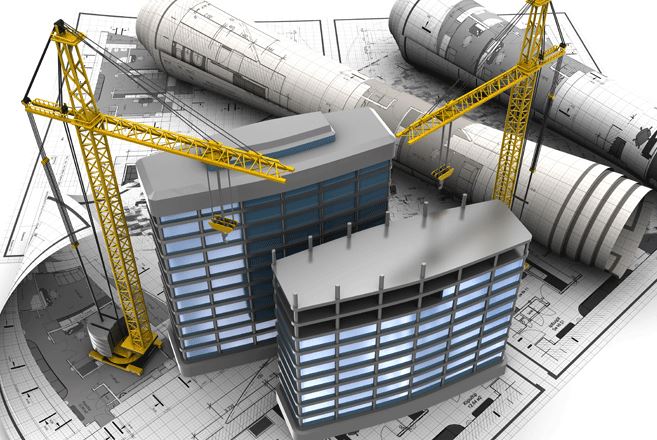
Structural design is the process of developing the framework that allows buildings, bridges, industrial facilities, and other infrastructure to remain stable and functional. It involves understanding materials, loads, environmental conditions, construction methods, and safety requirements. Every structural element must perform a particular function while working together with other components. Columns transfer loads, beams distribute forces, foundations support the overall structure, and connecting elements maintain stability. Engineers must consider these relationships carefully before approving a design.
Technology has expanded the possibilities available to structural professionals. Modern engineering software can perform complex calculations, generate three-dimensional models, and help evaluate different structural arrangements. Instead of depending entirely on manual calculations and traditional drawings, engineers can investigate multiple design possibilities within a digital environment. These tools make it easier to identify weaknesses, compare materials, and understand how a structure may respond to different conditions.
How Digital Design Tools Improve Engineering Accuracy
The Importance of Computer-Aided Design
Computer-aided design has become an important part of modern structural engineering. CAD software allows professionals to prepare detailed technical drawings, organize measurements, and represent structural components accurately. Digital drawings can be updated more efficiently than traditional paper-based plans, making it easier to manage revisions during different project stages.
For example, when an engineer changes the position of a column, related drawings can be updated to reflect the new arrangement. This helps reduce confusion between design teams and construction professionals. Digital documentation also makes it easier to maintain consistent measurements and communicate technical information.
Through the broader concepts associated with structurespy com, readers can understand how digital drawing systems contribute to organized planning. Although CAD is primarily used for technical representation, it also supports coordination between architectural layouts and structural requirements.
Three-Dimensional Structural Modeling
Three-dimensional modeling provides a more complete understanding of how different components connect within a building. Traditional two-dimensional drawings require professionals to interpret several views before understanding the entire arrangement. A 3D model presents the structure as a connected digital representation, allowing engineers to examine columns, beams, foundations, floors, and other components from different perspectives.
Building Information Modeling, commonly known as BIM, takes this approach further by combining geometric information with relevant project data. Depending on the software and workflow, BIM models can include material specifications, dimensions, component information, and construction-related details. This improves coordination because different professionals can work with a shared representation of the project.
For example, an architectural team may design a large commercial building while structural engineers develop its supporting framework. A coordinated digital model can help identify conflicts between structural elements and building services before installation begins.
The Role of Structural Analysis Software in Modern Construction
Structural analysis software helps engineers evaluate how buildings and infrastructure respond to different forces. These forces may include the weight of the structure, occupants, equipment, wind pressure, earthquakes, and other environmental conditions. Understanding how these loads affect individual components is essential for developing safe and reliable designs.
Modern analysis programs can simulate different loading situations and estimate how structural elements may behave. Engineers can examine bending moments, shear forces, deflections, stresses, and other important parameters. These calculations support the evaluation of design alternatives and help professionals identify areas that require further attention.
However, simulation results must always be interpreted carefully. Incorrect assumptions, incomplete information, or unsuitable modeling methods can produce misleading outcomes. Engineers must verify inputs, apply appropriate design standards, and review results using professional knowledge. Technology is most valuable when it strengthens sound engineering practice rather than replacing it.
Important Technologies Connecting Design and Engineering
Several technologies are influencing the relationship between structural design and construction. Each offers different advantages depending on the project type, complexity, budget, and technical requirements.
| Technology | Main Purpose | Benefits for Structural Design |
|---|---|---|
| CAD software | Creating technical drawings | Improves drawing accuracy and documentation |
| BIM | Managing connected building information | Supports coordination between project teams |
| Structural analysis software | Evaluating loads and structural behavior | Helps assess safety and performance |
| Artificial intelligence | Supporting data analysis and automation | Improves selected planning and review processes |
| Digital twins | Representing physical assets digitally | Supports monitoring and maintenance |
| 3D printing | Producing physical components | Enables innovative construction methods |
These technologies demonstrate that digital transformation involves more than introducing new software. It requires an organized approach to information, communication, engineering analysis, and project execution. When tools are selected according to actual project requirements, they can improve productivity without creating unnecessary complexity.
Artificial Intelligence and Its Growing Influence on Structural Engineering
Artificial intelligence is becoming increasingly relevant across architecture, construction, and engineering. AI-based systems can process large amounts of information, recognize patterns, and assist with repetitive analytical tasks. In structural design, these capabilities may support preliminary design exploration, document review, project scheduling, and the identification of potential inconsistencies.
One useful application is design optimization. Engineers may need to compare different structural arrangements while considering material consumption, cost, performance, and environmental impact. AI-supported tools can help explore possible alternatives more quickly than some traditional manual workflows. Professionals can then evaluate the suggestions against engineering requirements and practical limitations.
Another developing area is automated construction monitoring. Computer vision systems can analyze site images and help identify visible progress, safety concerns, or differences between planned and completed work. These applications can support project teams, although their effectiveness depends on image quality, data accuracy, and suitable human supervision.
Sustainable Structural Design Through Digital Innovation
Sustainability has become a major consideration in the construction industry. Buildings and infrastructure require significant quantities of materials and energy, making responsible design important for reducing environmental impact. Engineers increasingly consider the entire lifecycle of a structure, including material production, transportation, construction, operation, maintenance, and eventual replacement.
Digital tools can help evaluate material quantities and compare different design options. For example, an engineer may investigate whether a structural arrangement can achieve the required strength while using less concrete or steel. Similarly, digital energy models can help project teams understand how building orientation, insulation, glazing, and other design decisions affect operational performance.
Material selection also plays an important role. Recycled steel, responsibly sourced timber, low-carbon concrete, and other alternative materials may contribute to sustainability goals when their technical properties are suitable. However, environmental benefits must be balanced with durability, availability, cost, fire performance, and structural safety.
Improving Collaboration Between Engineers and Construction Teams
A successful construction project requires cooperation between several professionals. Architects develop spatial concepts, structural engineers design supporting systems, electrical and mechanical specialists plan building services, and contractors organize construction activities. When information is not shared properly, mistakes and delays can occur.
Digital collaboration platforms help address these challenges by making project information easier to access and update. Shared models, cloud-based documents, revision tracking, and communication systems allow different teams to work with more consistent information. This becomes especially important for large projects involving multiple consultants and contractors.
For example, a contractor may discover that a planned structural connection is difficult to install because of site conditions. Updated digital drawings and coordinated communication can help the engineering team review the issue and develop an appropriate solution. Early communication can prevent small design conflicts from becoming expensive construction problems.
How Technology Supports Construction Planning and Project Management
Construction planning involves coordinating people, materials, equipment, budgets, schedules, and technical requirements. Even a well-designed building can experience difficulties if its construction activities are poorly organized. Digital project management systems provide tools for tracking responsibilities, recording progress, and identifying potential scheduling problems.
Modern construction teams may use digital schedules, progress dashboards, document management platforms, and mobile reporting applications. These systems help managers compare planned activities with actual site conditions. If a material delivery is delayed, the project team can examine which activities may be affected and adjust the schedule where possible.
Technology also supports quantity estimation and cost planning. Digital models can provide information about component quantities, allowing estimators to prepare more consistent project calculations. These figures still require professional checking because design changes, waste allowances, market prices, and site conditions can influence final costs.
Practical Ways Technology Improves Project Workflows
-
Better documentation: Digital records help teams organize drawings, specifications, and revisions.
-
Early problem identification: Coordinated models can reveal design conflicts before construction.
-
Improved scheduling: Planning software supports task tracking and resource management.
-
Clearer communication: Shared information reduces misunderstandings between project participants.
-
More informed decisions: Digital analysis provides useful information for comparing alternatives.
These improvements are most effective when technology is introduced as part of a clear project workflow. Teams need suitable training, reliable information, and consistent procedures to achieve meaningful results.
The Importance of Safety and Quality Control
Structural safety remains the foundation of every successful engineering project. Buildings must be designed to resist expected loads and environmental conditions while meeting relevant building codes and technical standards. Although modern software can assist with calculations and modeling, safety cannot depend entirely on automated outputs.
Quality control begins during the design stage and continues throughout construction. Engineers review drawings, verify calculations, inspect material specifications, and ensure that construction details follow approved requirements. Contractors must also confirm that components are installed correctly and that site activities meet the relevant quality standards.
Digital inspection tools can improve the organization of quality records. Site photographs, inspection reports, digital checklists, and document management systems help project teams maintain evidence of completed activities. Some advanced systems also use sensors to monitor movement, vibration, temperature, or other structural conditions.
Digital Twins and the Future of Structural Monitoring
Digital twins are becoming an important development in infrastructure management. A digital twin is a digital representation of a physical asset that can be updated using information from sensors, inspections, operational records, or other connected systems. Unlike a conventional design model, it may continue to provide value after a building or infrastructure project has been completed.
For example, sensors installed on a bridge may collect information about vibration, movement, temperature, or structural response. This information can help engineers understand changing conditions and investigate unusual patterns. When connected with a suitable digital model, the data may provide a more detailed picture of the asset’s performance.
Digital twins can also support maintenance planning. Instead of depending entirely on fixed inspection intervals, asset managers may use available condition information to prioritize investigations and maintenance activities. However, sensor readings require interpretation, and digital monitoring does not eliminate the need for physical inspections.
Challenges of Integrating Technology into Structural Design
Despite its advantages, adopting technology across engineering projects presents several challenges. One major concern is the cost of software, hardware, training, and system maintenance. Smaller engineering firms may find it difficult to introduce advanced platforms without careful financial planning. Selecting tools that match actual project needs is therefore more practical than adopting every new technology.
Another challenge is the availability of skilled professionals. Engineers and construction specialists need to understand both traditional technical principles and modern digital workflows. Training must cover more than software operation; it should also explain how to verify information, recognize modeling limitations, and interpret analytical results.
Data security and interoperability are additional concerns. Large projects may involve multiple software platforms and organizations, creating difficulties when information cannot be transferred consistently. Secure data management, clear file standards, access controls, and reliable backup systems help reduce these risks.
What the Future Holds for Structural Design and Technology
The future of structural engineering is likely to involve greater integration between digital modeling, automation, data analytics, and real-time monitoring. As software capabilities improve, engineers may gain more opportunities to explore design alternatives, understand complex structural behavior, and coordinate construction activities.
Robotics and automated equipment may also influence construction methods. Automated surveying, robotic fabrication, and advanced manufacturing systems can improve precision in suitable applications. Meanwhile, modular construction and prefabrication may benefit from detailed digital planning because components can be designed and produced before arriving at the construction site.
Another important development will be the growing emphasis on climate resilience. Engineers must consider changing environmental conditions, extreme weather risks, and the long-term performance of infrastructure. Digital simulations and monitoring systems can support these assessments by providing useful information about structural conditions and potential vulnerabilities.
Frequently Asked Questions
1. What is the connection between structural design and technology?
Structural design and technology are connected through digital tools that support engineering calculations, technical drawings, modeling, project coordination, and construction monitoring. These tools help professionals evaluate design alternatives and organize information more effectively while maintaining established engineering principles.
2. How does BIM help structural engineers?
Building Information Modeling helps structural engineers work with detailed digital representations of buildings. It supports coordination with architects and other specialists, improves access to project information, and helps identify potential conflicts between different building systems before construction begins.
3. Can artificial intelligence replace structural engineers?
No. Artificial intelligence can support selected engineering activities, including data analysis, preliminary design exploration, and document checking. However, structural engineering requires professional judgment, regulatory knowledge, technical verification, and responsibility for public safety. Qualified engineers remain essential.
4. Why is digital modeling important in modern construction?
Digital modeling allows project teams to understand structural components and their relationships before physical construction starts. It can improve visualization, identify coordination problems, support quantity estimation, and make design revisions easier to communicate.
5. How does technology contribute to sustainable construction?
Technology supports sustainable construction by helping professionals compare materials, estimate quantities, evaluate building performance, and identify opportunities to reduce waste. Digital analysis can also support decisions about energy efficiency, durability, and long-term maintenance.
6. What makes structurespy com relevant to modern engineering discussions?
Structurespy com is relevant as a topic for exploring how structural design connects with digital tools, engineering innovation, and contemporary construction practices. These subjects help readers understand the growing importance of technology in creating efficient, reliable, and sustainable infrastructure.
Conclusion
Structural design is developing through a combination of traditional engineering expertise and modern technological capabilities. Digital drawings, BIM systems, structural analysis software, artificial intelligence, and digital twins are changing how professionals plan, evaluate, construct, and maintain buildings and infrastructure. These technologies provide opportunities to improve accuracy, communication, productivity, and sustainability, but their successful use depends on reliable information and responsible decision-making.
The relationship between technology and engineering will become even more important as construction projects face increasing demands for efficiency, safety, environmental responsibility, and long-term performance. Professionals must continue developing their technical knowledge while learning how to use digital systems effectively. Structurespy com reflects this wider area of interest by bringing attention to the connection between structural knowledge and technological progress.
Ultimately, the future of construction will not depend on technology alone. It will depend on how intelligently people apply digital innovation to real engineering challenges. When technical expertise, creative thinking, reliable software, and responsible construction practices work together, they can support stronger structures and more sustainable communities.
