

Key Takeaways
- Choose headwear based on heat, activity, event length, and likely weather conditions.
- Breathable, moisture-managing materials can improve comfort during long days outdoors.
- Wide brims provide broader coverage, while caps can be more practical for active events.
- A secure, adjustable fit is especially useful for running, travel, wind, and repeated movement.
- A hat is one part of sun and heat preparation, not a replacement for other safety steps.
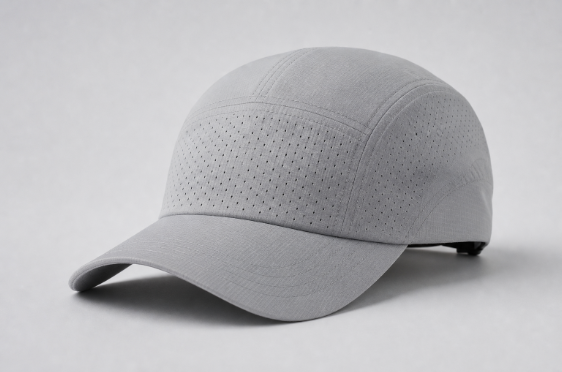
Outdoor events are more enjoyable when small comfort details are taken care of before the day begins. Whether the plan involves a charity run, festival, golf outing, volunteer project, or school gathering, the right hat can add shade, manage sweat, and reduce glare without getting in the way. For organizers supplying gear, custom performance caps for athletic teams can be a practical option when active movement, adjustable fit, and a unified look all matter.
The best choice is not always the largest brim or the lightest cap. It should suit the expected heat, the event’s duration, the activity level, and the people wearing it. Headwear supports a more comfortable day outside, but it works best alongside sunscreen, drinking water, shade, and regular rest breaks.
Why Headwear Matters at Outdoor Events
A well-chosen hat can make direct sunlight feel less distracting by shading the face and eyes. That matters when attendees spend hours walking between booths, watching a game, setting up tents, or working outdoors. Comfort is equally important. A hat that traps heat, slips down, or leaves a pressure mark may be removed before it delivers much benefit. Event planners should also consider heat-relief planning as part of the larger event setup. Accessible water, shaded gathering areas, cooling breaks, and clear instructions for staff can make a significant difference when temperatures rise. Headwear should complement these measures, not carry the full responsibility for keeping people safe.
Match the Hat to the Event
One style does not work equally well everywhere. A relaxed park picnic may call for a simple lightweight cap, while a fishing tournament or beach festival may justify a wider brim that provides more all-around shade. Consider what attendees will actually do while wearing the hat, rather than choosing based on appearance alone.
Suggested Event Matches
- Charity runs: Lightweight caps with sweat control and a secure closure help reduce distraction during movement.
- Golf outings: Structured caps and visors can balance eye shade with a polished, coordinated appearance.
- Festivals: Breathable styles are useful for long periods of walking, standing, and moving through crowds.
- Outdoor workdays: Durable headwear should stay in place while bending, lifting, and traveling between work areas.
- Beach and lake events: Wider brims and packable styles can be helpful where reflected sunlight and open exposure are common.
Compare Fabric and Comfort Features
Fabric details can tell shoppers a lot about how a hat may feel after several hours outside. Moisture-wicking fabric is designed to move sweat away from the skin, while breathable panels allow more airflow around the head. Quick-drying materials are useful in humid conditions, water-focused events, or situations where a hat may be worn again the next day. Lightweight construction can reduce pressure over time, and UV-rated materials may provide additional protection when used with sunscreen and shade. Still, product labels deserve a close look. A technical fabric term does not guarantee that every wearer will find the same hat comfortable in every climate.
Check Coverage, Fit, and Security
The shape of a hat affects its function. A curved bill can help shade the eyes, while a broader brim may better cover the face, ears, and neck. Fit matters just as much. A volunteer moving between tents for six hours may discover that a hat comfortable for ten minutes feels tight, heavy, or unstable later in the day.
Fit Questions to Ask
- Does it sit comfortably without pressing too tightly?
- Can the wearer adjust it during the event?
- Will it stay secure during walking, running, or windy conditions?
- Does the crown leave room for airflow?
- Can it work with sunglasses, ponytails, helmets, or other gear?
Plan for Heat, Wind, and Sudden Weather
The weather can change. Which option makes the most sense? A loose, airy hat may feel ideal in still heat but become inconvenient in strong wind. A secure cap may be better for a race or active volunteer shift, while a brimmed style can be more useful during long periods in direct sun. The heat safety guidance for outdoor workers is also relevant to anyone planning extended outdoor activity, particularly when work or volunteer duties limit opportunities to step indoors.
- Check the forecast before finalizing the event kit.
- Bring a backup option if rain or wind is likely.
- Avoid dark, heavy materials for long exposure to the summer sun.
- Pack hats carefully so they keep their shape.
Choose Headwear for Groups and Teams
For groups, adjustable closures often simplify distribution because they can fit a wider range of people. Neutral colors coordinate easily with a variety of outfits, while bright colors can help attendees identify staff, coaches, or volunteers from a distance. Reusable headwear can also feel more useful than a one-time giveaway when it is comfortable enough to wear at future practices, outings, and community events.
Group Planning Points
- Order a range of sizes if the selected style is not adjustable.
- Choose colors that remain easy to spot from a distance.
- Think about whether the hats will be used for work, travel, or recreation.
- Match the design to the audience’s preference for bold or subtle branding.
- Request samples before committing to a large order.
Keep Headwear Fresh During Repeated Use
Sweat, sunscreen, dust, and food spills can build up quickly during outdoor events. Check the care label, use mild detergent when hand-washing is recommended, and allow hats to air-dry rather than exposing them to high heat. Keep them out of damp gym bags and hot, closed vehicles, then store them in a clean, dry place between events.
Use a Simple Buying Checklist
- Event length: Will the hat be worn for an hour or all day?
- Activity level: Will attendees sit, walk, work, or compete?
- Weather: Is the setting hot, humid, windy, rainy, or unpredictable?
- Coverage and fit: Is the face shade enough, and can the style work for many wearers?
- Care and storage: Can it be cleaned, reused, and packed easily?
Common mistakes include prioritizing style over comfort, ignoring local weather, ordering in bulk without testing a sample, and assuming everyone prefers the same fit. Avoid treating a hat as the only form of sun or heat protection.
Final Thoughts
Smart headwear choices begin with the event, the weather, and the people who will wear them. A breathable, secure, comfortable hat can make a long day outdoors easier, especially when paired with shade, water, sunscreen, and sensible breaks. Planning those details together creates a better experience for attendees, staff, and volunteers alike. Consider the activity level, expected temperature, sun exposure, and how long people will wear the headwear. Lightweight materials and adjustable closures can improve comfort, while durable fabrics may be better for repeated outdoor use. It is also worth choosing colors and designs that fit the event without sacrificing practicality. When comfort, protection, style, and weather conditions are considered together, headwear becomes more than an accessory; it is a useful part of a well-prepared outdoor experience.
