

Key Takeaways
- Start with the invitation, then consider the venue, season, and schedule.
- Choose a silhouette, neckline, and fabric that support comfort and style.
- Plan accessories, shoes, and alterations early so the full look feels intentional.
- A well-fitted gown that can be worn again is often the most practical choice.
Choosing the right gown is less about following a rigid set of fashion rules and more about understanding the occasion. Whether you are attending a wedding, gala, awards dinner, charity event, or holiday celebration, the best evening gowns balance polish, comfort, and personal style.
Begin with the invitation. Its wording usually provides the clearest clue about what is appropriate, while the event location, time of day, and guest list can help fill in the gaps. A gown should respect the setting without making you feel unlike yourself for the entire evening.
Let the Dress Code Lead the Way
Formal dress codes are useful starting points, not reasons to panic. If the invitation wording is unclear, check the event website, ask a member of the wedding party, or contact the host with a simple question.
- White tie: the most traditional level of evening dress. A refined, floor-length gown, elegant jewelry, and formal shoes are appropriate.
- Black tie: A full-length gown is the most dependable choice. A sophisticated midi dress may work at a less traditional event, but the overall look should still feel elevated.
- Black-tie optional: Long gowns are welcome, though a dressy cocktail dress or elegant separates are also suitable.
- Formal: This often allows more flexibility. A long dress, a polished jumpsuit, or a tailored evening suit may be appropriate, depending on the venue.
- Creative black tie: Keep the formality, then introduce personality through color, texture, sculptural jewelry, or an unexpected accessory.
For a helpful distinction between traditional black tie and more flexible invitations, black-tie etiquette notes that dressy cocktail attire and elegant separates can be appropriate for black-tie-optional events. The host’s expectations should always take priority.
Consider the Venue, Time, and Season
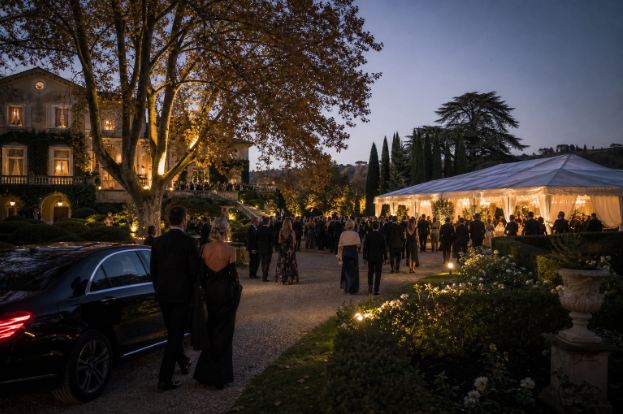
A ballroom gala and an outdoor evening wedding may both be formal, yet they call for different practical choices. Think beyond the dress code itself. Will you walk across grass, climb stairs, stand for a ceremony, or move between an air-conditioned room and a chilly terrace?
For warm-weather events, chiffon, lightweight crepe, and flowing styles can feel easier to wear. Softer colors can also suit garden venues and destination celebrations when they match the event’s level of formality. For fall and winter occasions, velvet, heavier crepe, long sleeves, richer jewel tones, and a coordinating wrap can add warmth without sacrificing elegance.
Choose a Silhouette You Can Move In
The right silhouette should make you feel composed while allowing you to sit, walk, eat, greet people, and dance. Try several shapes rather than assuming one style is the only option for you.
- A-line: Fitted through the bodice and gently wider through the skirt, this is a versatile, easy-to-wear shape.
- Column: A long, narrow silhouette with a sleek and modern effect. Look for a slit or stretch fabric if you want more freedom of movement.
- Mermaid: Fitted through the body before flaring near the hem, creating a dramatic profile. Test your stride before committing.
- Ball gown: A fuller skirt that suits grand venues and especially formal celebrations, though it requires more space and attention when moving around.
- Empire waist: A raised waistline that can create a soft, fluid shape and may feel especially comfortable during a long dinner.
- Wrap or draped styles: These can add softness, shape, and visual movement without feeling overly structured.
Select Necklines, Sleeves, and Fabric With Purpose
Necklines and sleeves change both the appearance and functionality of a gown. A V-neck can create a longer visual line, while a boat neck, square neck, scoop neck, halter, one-shoulder style, or off-the-shoulder design can shift the mood from classic to contemporary. The best choice is the one that offers the support and coverage you prefer.
Consider sleeves in the same practical way. Sleeveless and cap-sleeve dresses may feel light and festive, while long sleeves and cape sleeves offer coverage for cooler rooms or conservative venues. Raise your arms, turn your shoulders, and sit down during a fitting to make sure nothing pulls, slips, or feels restrictive.
Fabric also sets the tone. Chiffon creates soft movement, crepe offers a clean and structured finish, and velvet brings warmth and depth. Satin looks polished but can reveal wrinkles or fit issues more easily. Lace adds detail, while sequins and beading bring celebration, although they may feel heavier during a long night. Stretch fabrics can be exceptionally comfortable when the fit is precise.
Use Color and Accessories to Complete the Look
Black, navy, burgundy, emerald, deep plum, and metallic shades remain reliable evening choices, but there is no single best color. Consider the venue lighting, the season, the event’s mood, and what makes you feel confident. For weddings, avoid white, ivory, and very pale tones unless the couple has specifically welcomed them.
Accessories should support the gown rather than compete with it. Choose shoes that suit the hem length and let you walk comfortably. Carry a small clutch with essentials and use jewelry to echo a single feature, such as the neckline, fabric texture, or color. A detailed gown often needs only simple earrings or a bracelet, while a minimalist gown can carry a stronger statement piece.
Prioritize Fit Before the Event
Even a beautiful gown can feel disappointing when the fit is off. Take accurate bust, waist, hip, shoulder, and length measurements, then compare them to the garment’s size guide rather than relying solely on your usual size. The broader history of formal dress codes may be rooted in tradition, but proper tailoring is what makes an outfit feel personal.
Leave time for alterations, especially for hems, straps, sleeves, and bust adjustments. Bring the shoes and undergarments you plan to wear to every fitting. Before the event, walk, sit, raise your arms, turn, and take a few stairs if possible. These small checks reveal issues that a mirror alone will not catch.
Plan for a Comfortable Long Evening
Comfort is not separate from elegance. Avoid scratchy seams, loose straps, difficult closures, and embellishments that catch under the arms. Break in formal shoes before the event, and keep a few small essentials nearby, such as fashion tape, blister pads, safety pins, and a compact sewing kit. If the celebration includes both indoor and outdoor spaces, bring a wrap or tailored layer that pairs well with the gown.
Common Questions About Evening Gowns
Can a short dress work for black-tie?
A floor-length gown is the safest option. However, a highly polished cocktail dress can work when the invitation, host, or venue indicates a more relaxed interpretation of black tie.
Can a guest wear a jumpsuit to a formal event?
Yes, for many formal and black-tie optional events, a tailored jumpsuit in an evening fabric can be a smart alternative. Keep the fit, shoes, and accessories refined.
Is it acceptable to repeat an evening gown?
Absolutely. A well-fitted gown can look entirely new with different jewelry, shoes, hairstyles, makeup, or a contrasting wrap.
Choose the Gown That Lets You Enjoy the Occasion
The most successful evening gown does more than meet a dress code. It helps you feel comfortable, present, and ready to enjoy the people and purpose behind the event. When the invitation, venue, fabric, fit, and your own style work together, formal dressing becomes far more straightforward and rewarding.
