

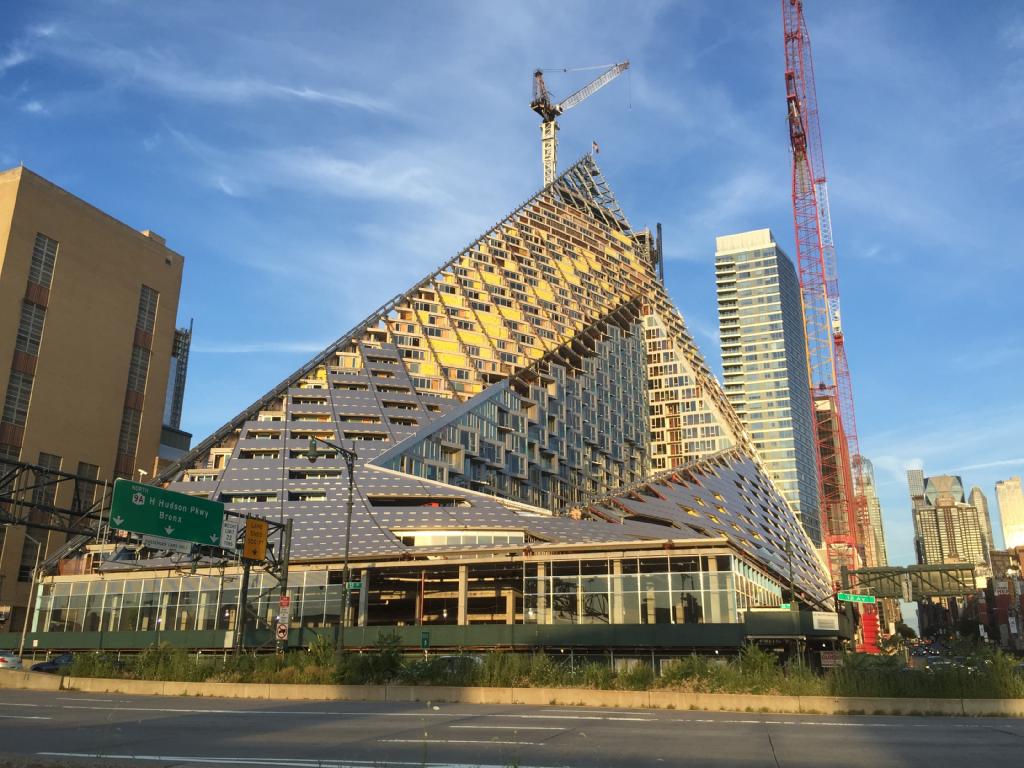
Introduction
Modern infrastructure is evolving rapidly as technology, environmental awareness, and changing urban requirements reshape the construction industry. Buildings, bridges, highways, transportation networks, and commercial developments are no longer designed only to meet basic functional requirements. Today’s infrastructure projects focus on durability, energy efficiency, safety, sustainability, and long-term performance. Engineers, architects, construction professionals, and developers are exploring innovative approaches to create structures that can support growing populations while adapting to future challenges. Understanding these developments is becoming increasingly important for anyone interested in construction and infrastructure planning.
Digital technology has also transformed the way infrastructure projects are planned and delivered. Advanced design software, artificial intelligence, automated equipment, and data-driven monitoring systems help professionals improve accuracy and manage complicated construction activities. At the same time, sustainable building materials and environmentally responsible techniques are encouraging the industry to reconsider traditional practices. Platforms such as structurespy com can be considered within the broader context of exploring construction knowledge, structural innovation, and modern infrastructure developments. Understanding these subjects helps readers recognize how different technologies and engineering practices contribute to the changing built environment.
Understanding the Changing Landscape of Modern Infrastructure

Infrastructure development has traditionally focused on creating essential facilities that support everyday activities. Roads connect communities, bridges improve transportation, buildings provide working and living spaces, and public utilities deliver essential services. However, population growth, urban expansion, climate challenges, and technological progress have increased the expectations placed on these structures. Modern infrastructure must be designed to handle changing environmental conditions while remaining functional, accessible, and economically practical.
One important development is the movement toward integrated infrastructure planning. Instead of treating individual construction projects as completely separate activities, planners increasingly consider how buildings, transportation systems, energy networks, and water management facilities interact. For example, a new residential development may require coordinated road access, drainage systems, electricity distribution, public transportation, and green spaces. Considering these requirements together can improve efficiency and reduce future maintenance difficulties.
The Growing Role of Smart Construction Technology
Smart construction technology is changing how professionals approach building design, project management, and infrastructure maintenance. Modern construction projects increasingly use connected devices, digital platforms, sensors, and automated systems to collect information and improve operational decisions. These technologies can help project managers understand site conditions, monitor equipment performance, and identify activities that require attention.
For example, sensors installed in selected structural components can measure vibration, temperature, movement, and other physical conditions. This information can help engineers identify unusual changes that may require further inspection. Similarly, connected equipment can provide operational data that helps construction teams manage machinery and improve workplace coordination. Although technology cannot replace professional engineering judgment, it can provide useful information for making informed decisions.
Artificial intelligence is another developing area. AI-supported systems can analyze large amounts of project information, assist with construction scheduling, and identify possible risks. Some applications can help estimate material requirements or recognize patterns in project performance. However, their effectiveness depends on reliable information, appropriate implementation, and human supervision.
Building Information Modeling and Digital Engineering
Building Information Modeling, commonly known as BIM, has become an important part of modern construction planning. BIM creates a detailed digital representation of a building or infrastructure project, allowing different professionals to work with coordinated project information. Instead of relying entirely on separate two-dimensional drawings, teams can use three-dimensional models containing information about structural components, materials, dimensions, and building systems.
One advantage of BIM is improved collaboration. Architects, structural engineers, electrical specialists, and construction managers can review the same project model and identify potential conflicts before installation begins. For instance, a ventilation duct may overlap with a structural beam in an initial design. Detecting this issue digitally can help the project team make adjustments before it becomes an expensive construction problem.
Digital engineering also supports project lifecycle management. Information developed during the design and construction stages can assist with future inspections, repairs, and renovations. This is particularly valuable for large facilities that require regular maintenance over several decades. As digital planning becomes more widely adopted, structurespy com fits naturally into discussions about structural knowledge, engineering methods, and the increasing importance of technology in infrastructure development.
Sustainable Construction and Environmentally Friendly Materials
Sustainability has become a central consideration in infrastructure development. Traditional construction activities consume significant quantities of raw materials and energy, while manufacturing processes and transportation can contribute to environmental impacts. As environmental concerns receive greater attention, developers are exploring methods that reduce waste, improve energy performance, and extend the useful life of buildings.
Sustainable construction involves more than choosing environmentally friendly products. It also includes efficient site management, responsible material sourcing, water conservation, energy-efficient designs, and careful waste disposal. For example, a commercial building can incorporate natural lighting, efficient ventilation, insulation, and renewable energy systems to reduce its operational energy requirements. Similarly, construction teams can plan material deliveries carefully to reduce unnecessary transportation and storage waste.
Recycled steel, reclaimed timber, low-carbon concrete alternatives, and other innovative materials are receiving attention in different construction applications. However, material selection must consider strength, durability, fire performance, maintenance requirements, and suitability for local environmental conditions. A sustainable material is only useful when it meets the technical requirements of the project.
Important Sustainable Construction Practices
Several approaches are becoming increasingly relevant in environmentally responsible infrastructure development:
-
Using recycled and responsibly sourced construction materials.
-
Designing buildings to reduce energy consumption.
-
Improving water collection and reuse systems.
-
Reducing construction waste through better planning.
-
Incorporating renewable energy where practical.
These practices demonstrate how sustainability can become part of everyday construction decisions rather than an additional consideration introduced after the design process.
Modern Structural Engineering and Innovative Designs
Structural engineering is essential to the safety and performance of infrastructure. Engineers evaluate how buildings and other structures respond to different forces, including gravity, wind, temperature changes, and seismic activity. Modern engineering methods use advanced calculations, simulation software, and material testing to understand structural behavior more accurately.
Innovative structural designs are also helping architects and engineers create buildings that use available space efficiently. Long-span roofs, lightweight structural systems, modular components, and prefabricated elements can support different architectural and functional requirements. These approaches are particularly useful for facilities such as airports, sports arenas, industrial buildings, and large commercial developments.
Another important consideration is resilience. Infrastructure must be capable of handling environmental pressures and unexpected conditions. In earthquake-prone areas, engineers may incorporate suitable structural detailing and energy-dissipating systems. In regions exposed to heavy rainfall, drainage design and foundation protection become particularly important. These decisions depend on local building regulations, geological conditions, and professional assessments.
The Rise of Prefabrication and Modular Construction
Prefabrication is changing the way certain construction projects are completed. Instead of manufacturing every building component directly at the construction site, companies can produce selected elements in controlled factory environments. These components are then transported to the site and assembled according to the project design.
Modular construction takes this approach further by creating larger building sections or modules before transporting them for installation. Depending on the project, modules may include structural framing, electrical installations, plumbing components, and interior finishes. This approach can reduce the amount of work required at the site and improve coordination between different construction activities.
One major benefit is greater control over manufacturing conditions. Factory production can support consistent quality checks and reduce exposure to weather-related delays. It can also make material use more predictable. However, transportation restrictions, crane requirements, site access, and design limitations must be considered before choosing modular construction.
| Construction approach | Main characteristics | Potential advantages |
|---|---|---|
| Traditional construction | Most activities take place on-site | Flexible for different designs |
| Prefabrication | Individual components are manufactured off-site | Better production control |
| Modular construction | Larger sections are produced separately | Faster on-site assembly |
| Hybrid construction | Combines on-site and off-site methods | Flexible project planning |
The most appropriate construction method depends on project size, location, design complexity, budget, and available resources.
Infrastructure Development and Smart Cities
Urban development is creating new demands for infrastructure systems. As cities expand, governments and developers must consider transportation, housing, electricity, water supply, waste management, and public services. Smart city planning aims to use technology and coordinated infrastructure systems to improve urban operations and the quality of everyday life.
Intelligent transportation systems are one example. Traffic sensors, digital monitoring platforms, and adaptive traffic signals can help authorities understand road conditions and manage congestion. Public transportation systems can also use digital information to improve scheduling and provide passengers with more reliable service information.
Smart energy networks represent another important development. Modern electricity systems can incorporate renewable energy sources, storage technologies, and digital monitoring. These systems can help manage changing electricity demand and support more efficient energy distribution. Similarly, smart water management solutions can monitor consumption, detect leaks, and improve the management of essential resources.
The Importance of Safety and Infrastructure Maintenance
Construction safety remains one of the most important responsibilities in the infrastructure industry. Construction sites involve heavy equipment, electrical systems, elevated work areas, moving materials, and complicated activities. Without appropriate planning and supervision, these conditions can create serious risks for workers and the surrounding community.
Modern safety management increasingly combines established procedures with digital monitoring tools. Wearable devices, equipment sensors, digital inspection records, and site management platforms can help supervisors identify potential hazards. However, technology must support rather than replace safety training, appropriate protective equipment, risk assessments, and regulatory compliance.
Maintenance is equally important. Even well-designed structures experience wear and environmental exposure over time. Roads develop surface damage, bridges require inspections, buildings need repairs, and water infrastructure can experience corrosion or leakage. Regular maintenance helps identify developing problems before they become more expensive or dangerous.
Challenges Affecting the Future of Infrastructure

Although construction technology is advancing, infrastructure development continues to face significant challenges. Rising material costs, skilled labour shortages, complicated approval procedures, supply chain disruptions, and financing limitations can affect project schedules. Large projects may also encounter unexpected ground conditions, environmental restrictions, or changes in design requirements.
Climate change introduces additional planning considerations. Extreme heat, flooding, storms, and other environmental conditions can affect the performance of buildings and transportation networks. Engineers must therefore evaluate local risks and select suitable construction materials, drainage arrangements, foundations, and protective systems.
Digital transformation also creates challenges. Smaller construction companies may find advanced software and connected equipment expensive to adopt. Employees need appropriate training, and project information must be managed securely. Furthermore, digital models are only useful when their underlying information is accurate and regularly updated.
How Infrastructure Professionals Can Prepare for Emerging Trends
The construction industry requires professionals who can adapt to changing technologies without losing sight of fundamental engineering principles. Architects, engineers, project managers, contractors, and infrastructure planners all benefit from developing knowledge across multiple areas. Technical education, practical experience, and continuous professional development are essential for understanding new construction methods.
Professionals should become familiar with digital design tools, project management systems, sustainable construction principles, and modern safety practices. Learning how BIM works, understanding basic data analysis, and exploring prefabrication methods can improve their ability to participate in contemporary projects.
Some useful areas of professional development include:
-
Learning digital design and BIM applications.
-
Understanding sustainable material selection.
-
Developing project planning and coordination skills.
-
Following relevant construction codes and safety standards.
-
Studying new structural engineering technologies.
The ability to evaluate technology critically is equally important. Not every new product or software solution is suitable for every project. Professionals should consider practical performance, reliability, cost, regulatory requirements, and long-term maintenance before adopting new approaches.
The Future of Infrastructure Innovation
The next phase of infrastructure development is likely to involve greater integration between digital systems, sustainable materials, and advanced engineering practices. Artificial intelligence may become more useful in construction scheduling and design analysis, while robotics could support selected repetitive or hazardous activities. Digital twins may also help infrastructure owners create virtual representations of physical assets and monitor their performance over time.
Renewable energy integration is another area with considerable potential. Buildings may increasingly combine efficient designs with solar generation, battery storage, and intelligent energy management. Transportation infrastructure may also evolve to support electric vehicles and other emerging mobility systems.
However, technological progress alone will not determine infrastructure success. Projects must remain affordable, accessible, safe, and suitable for their surrounding communities. Long-term planning and responsible decision-making will continue to be essential. The broader themes connected with structurespy com highlight the importance of understanding these developments as part of a constantly changing construction landscape.
Frequently Asked Questions
1. What does modern infrastructure development mean?
Modern infrastructure development refers to the planning, construction, improvement, and maintenance of facilities that support communities and economic activities. It includes buildings, roads, bridges, transportation networks, energy systems, and water facilities. Current approaches increasingly emphasize technology, sustainability, safety, and long-term resilience.
2. Why is technology important in modern construction?
Technology helps construction professionals improve design accuracy, coordinate project activities, monitor site conditions, and manage resources. Tools such as BIM, artificial intelligence, connected sensors, and digital project management systems can make complex construction activities easier to organize and evaluate.
3. How does sustainable construction benefit infrastructure?
Sustainable construction can reduce material waste, improve energy efficiency, conserve water, and support responsible resource management. It can also improve the long-term performance of buildings when sustainable design choices are combined with appropriate materials and regular maintenance.
4. What is the role of BIM in infrastructure projects?
Building Information Modeling creates digital representations of construction projects containing important design and technical information. It helps architects, engineers, and contractors coordinate their work, identify design conflicts, and manage information throughout different project stages.
5. What are the major trends shaping the construction industry?
Important trends include smart construction technology, sustainable materials, modular construction, artificial intelligence, digital engineering, renewable energy integration, and predictive maintenance. Their adoption depends on project requirements, available resources, regulations, and professional expertise.
6. Why should construction professionals follow infrastructure trends?
Following infrastructure trends helps professionals understand changing industry requirements and identify opportunities to improve their skills. It also supports better decisions about construction methods, project planning, material selection, safety, and the adoption of emerging technologies.
Conclusion
Modern infrastructure is entering an important period of transformation as engineering innovation, digital technology, environmental responsibility, and urban development increasingly influence construction decisions. From smart buildings and advanced structural systems to sustainable materials and modular construction, emerging approaches are creating new opportunities to improve how infrastructure is designed, delivered, and maintained. These developments also highlight the importance of combining technical knowledge with practical experience and responsible planning.
The future of construction will depend on the industry’s ability to respond to changing requirements while maintaining safety, affordability, durability, and environmental performance. Professionals who understand digital engineering, sustainable development, and modern project management will be better prepared to participate in this evolving environment. Exploring subjects associated with structurespy com provides an opportunity to understand the wider ideas influencing structural innovation and infrastructure development. Ultimately, successful infrastructure is not simply about constructing larger or more advanced structures; it is about creating reliable spaces and systems that support communities, economic progress, and future generations.
