

Introduction
The construction industry is experiencing a significant transformation as environmental concerns, rising energy costs, and changing building requirements influence how structures are designed and developed. Modern construction is no longer focused solely on creating strong buildings that meet immediate needs. It also considers long-term performance, resource efficiency, occupant comfort, and environmental responsibility. Sustainable building practices have become an important part of this shift, encouraging architects, engineers, developers, and property owners to make thoughtful decisions throughout a building’s life cycle. From selecting suitable construction materials to improving insulation and reducing waste, every stage of a project offers opportunities to create more responsible structures.
In this changing environment, structurespy com can be explored as a topic connected with modern structural knowledge, construction technology, and sustainable development. Understanding the relationship between structural engineering and environmental performance helps readers recognize why building decisions matter beyond the construction phase. A well-designed building can reduce energy consumption, use materials more efficiently, and remain functional for decades with appropriate maintenance. These outcomes depend on careful planning, sound engineering principles, and an awareness of the environmental challenges facing the construction sector today.
Sustainable construction does not mean sacrificing durability, safety, or appearance. Instead, it involves finding practical ways to balance these requirements while minimizing unnecessary environmental impacts. Whether a project involves a residential house, a commercial office, or a large public facility, sustainability can be integrated into its design and construction process. By examining modern building methods and structural innovations, it becomes easier to understand how the industry can create spaces that serve people while using natural resources more responsibly.
Understanding Structurespy Com in Modern Construction
Modern construction relies on the coordination of several disciplines, including architecture, structural engineering, material science, and environmental planning. Each discipline contributes to the overall performance of a building. Architects consider space, appearance, and usability, while structural engineers ensure that the building can safely withstand expected loads and environmental conditions. Sustainability specialists examine energy use, material selection, water consumption, and other factors that influence environmental performance. Structurespy com provides a useful subject for discussing these connected areas and understanding how structural knowledge fits into the wider construction landscape.
The growing interest in digital construction information reflects the need for accessible explanations of complex technical subjects. Building professionals must evaluate new materials, construction systems, energy standards, and design methods before deciding which solutions are suitable for a particular project. Property owners also benefit from understanding basic principles such as insulation, ventilation, structural stability, and maintenance requirements. When these subjects are explained clearly, readers can make more informed decisions and communicate more effectively with qualified professionals. However, specific technical recommendations should always be based on reliable evidence, local building regulations, and the actual conditions of a project.
Another important consideration is the relationship between initial construction costs and long-term performance. A cheaper material or design may appear attractive during the early stages of development, but it can create additional expenses through frequent repairs, poor insulation, or inefficient energy use. Sustainable planning encourages decision-makers to consider the full life cycle of a building rather than focusing exclusively on its initial price. This broader approach can improve durability, reduce operating expenses, and support better outcomes for both building occupants and the surrounding environment.
What Are Sustainable Building Practices?
Sustainable building practices are methods used to reduce the environmental impact of construction and building operation while maintaining safety, comfort, and functionality. They cover the entire building life cycle, beginning with site selection and planning and continuing through material procurement, construction, occupancy, renovation, and eventual demolition or reuse. The objective is to limit unnecessary resource consumption while creating structures that meet present needs without placing avoidable pressure on future generations.
One major element is energy efficiency. Buildings require energy for lighting, heating, cooling, ventilation, water heating, and electrical equipment. Poorly designed structures may lose heat through walls and roofs, allow excessive solar heat to enter, or depend heavily on artificial lighting. Better insulation, suitable window placement, effective shading, and efficient equipment can reduce these demands. In warm regions, including many parts of India, passive cooling, shaded outdoor spaces, reflective roofing, and cross-ventilation can be particularly valuable when adapted to local weather conditions.
Sustainability also includes responsible water management and waste reduction. Rainwater collection, efficient plumbing fixtures, appropriate landscaping, and water reuse systems can help reduce pressure on local water supplies. Meanwhile, accurate material estimates, careful storage, and well-organized construction schedules can prevent avoidable waste. These measures are most effective when they are considered during the planning stage rather than introduced as expensive additions after construction has begun.
Eco-Friendly Construction Materials and Their Benefits
Material selection has a major influence on the environmental footprint of a building. Conventional materials such as concrete, steel, bricks, glass, and timber offer different advantages, but their production, transportation, installation, and disposal can require substantial resources. Sustainable construction therefore considers not only the strength and price of a material but also its durability, manufacturing process, maintenance requirements, availability, and potential for reuse.
Recycled steel is one example of a material that can support resource efficiency when sourced and specified appropriately. Reusing steel reduces demand for newly extracted raw materials, while its strength allows engineers to design structural systems capable of carrying significant loads. Recycled aggregates may also be suitable for certain concrete applications, provided they meet relevant performance requirements. Similarly, responsibly sourced timber can serve as a renewable construction material when harvesting practices, treatment methods, fire protection, and structural requirements are properly addressed.
Alternative materials such as compressed earth blocks, bamboo, and selected low-carbon concrete products can provide additional options. Their suitability depends on local climate, building codes, exposure to moisture, availability of skilled workers, and the intended use of the structure. No material is automatically sustainable in every situation. A product that performs well in one climate or building type may be less suitable elsewhere. Careful assessment helps ensure that environmental advantages do not come at the expense of safety, longevity, or occupant health.
Energy-Efficient Design and Building Performance
Energy-efficient design begins with understanding how a building interacts with its surrounding environment. The direction in which a building faces, the size and placement of its windows, the properties of its walls, and the amount of shade around it can influence indoor temperatures and lighting requirements. Architects and engineers can use these factors to reduce the need for mechanical heating and cooling. This approach, commonly associated with passive design, can improve comfort while reducing energy demand over the building’s operational life.
In hot climates, designers may use external shading, insulated roofs, suitable glazing, and ventilation strategies to limit indoor heat gain. In cooler regions, the emphasis may shift toward retaining warmth and controlling air leakage. High-performance windows can improve comfort near exterior walls, while daylight planning can reduce dependence on artificial lighting during daytime hours. The best combination of measures depends on local weather, building occupancy, orientation, and the performance of available systems.
Renewable energy technologies can strengthen these efforts. Rooftop solar panels, solar water heating, and appropriately designed energy storage systems can help buildings reduce their dependence on conventional electricity sources. However, renewable energy should not replace basic efficiency improvements. A building that wastes large amounts of energy may require an unnecessarily large renewable energy system. Reducing demand first and then selecting suitable energy technologies generally creates a more balanced approach to sustainable development.
Modern Construction Technologies Supporting Sustainability
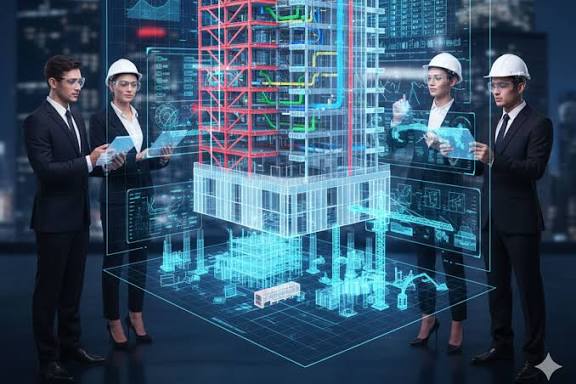
Digital tools are changing how buildings are planned, coordinated, and maintained. Building Information Modeling, commonly known as BIM, allows project teams to develop coordinated digital representations of building components. These models can help identify conflicts between structural elements, electrical systems, plumbing, and architectural features before work begins on-site. Detecting problems early can reduce material waste, prevent rework, and improve communication among project participants.
Other technologies also contribute to more efficient construction. Energy simulation software helps professionals estimate how design choices may affect heating, cooling, and lighting requirements. Structural analysis tools allow engineers to evaluate loads, deflection, and other performance considerations. Sensors installed in suitable buildings can monitor temperature, humidity, energy use, and equipment performance, helping facility managers identify inefficiencies and maintenance needs. These technologies are most useful when their results are interpreted by qualified professionals and supported by reliable project data.
Prefabrication and modular construction offer another potential advantage. Components manufactured in controlled environments can benefit from consistent quality checks, accurate measurements, and more organized material use. Producing components away from the construction site may also reduce certain forms of on-site waste and disruption. Nevertheless, transportation distances, manufacturing energy, component durability, and future adaptability must be considered before claiming an overall environmental benefit.
Comparing Sustainable Building Strategies
Different sustainability measures address different challenges. Some reduce energy consumption, while others improve material efficiency, water conservation, or construction management. Combining suitable strategies often produces better results than relying on one isolated feature.
| Sustainable strategy | Main purpose | Potential long-term benefit |
|---|---|---|
| High-quality insulation | Reduce unwanted heat transfer | Lower heating and cooling demand |
| Recycled construction materials | Reduce demand for virgin resources | More efficient material use |
| Rooftop solar systems | Generate renewable electricity | Lower dependence on conventional power |
| Rainwater harvesting | Capture and store suitable rainwater | Reduced demand on external water supplies |
| BIM and digital planning | Improve design coordination | Less rework and avoidable waste |
| Passive ventilation | Improve natural air movement | Reduced reliance on mechanical cooling when conditions permit |
The effectiveness of these measures depends on project requirements and the quality of implementation. For example, insulation may offer limited benefits if windows, doors, or roof junctions allow substantial air leakage. Likewise, rainwater harvesting requires appropriate storage, maintenance, and water-quality considerations. A sustainability plan should therefore assess how individual systems interact instead of treating each feature as an independent solution.
The Role of Structural Engineering in Green Buildings
Structural engineering is essential to sustainable construction because the building’s frame and load-bearing elements influence both safety and material consumption. Engineers must determine how loads move through columns, beams, walls, foundations, and connections before selecting appropriate dimensions and materials. A structure that uses excessive material may create unnecessary cost and environmental impact, while a structure that is inadequately designed can face serious safety risks and expensive repairs. The goal is to achieve reliable performance through efficient engineering rather than simply reducing material quantities.
Modern analysis methods help engineers compare alternative structural systems and evaluate their suitability. For instance, a carefully designed steel frame may allow longer spans and adaptable interior spaces, while reinforced concrete can provide durability and useful thermal properties in certain building types. Timber systems may offer renewable-material advantages when their sourcing and structural performance are properly verified. Each option must be assessed against building height, occupancy, local hazards, fire safety, construction expertise, and expected service life.
The long-term sustainability of a structure also depends on its ability to withstand environmental conditions. Buildings must be designed for relevant wind loads, seismic activity, temperature changes, moisture exposure, and other local risks. In areas exposed to heavy rainfall, drainage and water protection become particularly important. In earthquake-prone locations, appropriate structural detailing and compliance with seismic design requirements are essential. Investing in resilient design helps prevent premature failure and supports the continued use of buildings over time.
Practical Ways to Make Construction More Sustainable
Sustainable construction can be introduced through a series of connected decisions rather than requiring every project to adopt advanced technology. The most effective starting point is to identify the building’s main environmental challenges and prioritize measures that provide meaningful benefits within the available budget.
- Assess the site, local climate, drainage, sunlight, and natural ventilation opportunities before finalizing the design.
- Choose durable materials with appropriate environmental credentials and suitable performance characteristics.
- Reduce energy demand through insulation, efficient lighting, passive design, and properly sized equipment.
- Plan material deliveries, storage, and waste separation to minimize avoidable losses during construction.
- Establish a maintenance plan to preserve building performance and extend the service life of important components.
These actions should be supported by clear responsibilities and measurable objectives. For example, a project team might estimate expected electricity consumption, track construction waste, or monitor water use after occupancy. Comparing actual performance with the original design assumptions can reveal areas for improvement. This process also prevents sustainability from becoming a marketing label that lacks measurable results.
For readers exploring structurespy com, the practical lesson is that sustainable development depends on informed decisions at every stage of a project. A modest building with effective passive design, durable materials, and responsible maintenance may perform better over time than a more expensive building that includes advanced equipment without an integrated strategy.
Challenges in Adopting Sustainable Building Practices
Despite its advantages, sustainable construction can present financial and practical challenges. Some low-carbon materials, efficient systems, or specialist services may involve higher initial costs. Contractors may also need additional training, while project teams may face limited access to reliable suppliers or suitable technical information. These barriers can be particularly significant in areas where conventional construction methods remain more familiar or where project budgets leave little room for experimentation.
Another challenge is evaluating environmental claims. Products described as green or eco-friendly do not necessarily deliver meaningful improvements in every application. Decision-makers should examine available product documentation, energy-performance data, durability information, and relevant certifications instead of relying entirely on promotional language. Life-cycle assessment can provide a more complete picture by considering environmental effects from raw material extraction through manufacturing, use, and disposal.
Building regulations and sustainability requirements also vary by location. A solution that satisfies one region’s standards may require changes to meet another area’s climate, safety rules, or construction practices. This is why local expertise is important. Engineers, architects, contractors, and building owners should work together to establish realistic sustainability targets that meet applicable requirements and remain practical to operate and maintain.
The Future of Sustainable Construction
The future of construction is likely to involve greater integration of digital design, lower-carbon materials, renewable energy, and improved building-performance monitoring. As environmental standards develop and technology becomes more accessible, project teams may find it easier to compare design alternatives before construction begins. Better data can help identify inefficient systems, estimate operating costs, and make informed decisions about renovations or new developments.
Circular construction is another important direction. Instead of treating buildings as disposable products, circular approaches seek to preserve the value of materials through repair, adaptation, reuse, and recycling. Designing connections that can be dismantled, documenting material specifications, and planning for future renovations may make it easier to recover useful components when a building reaches the end of its original purpose. This approach can reduce waste while supporting more efficient resource use.
Climate resilience will remain equally important. Buildings must increasingly account for changing weather patterns, extreme heat, intense rainfall, and other location-specific risks. Effective drainage, suitable shading, resilient structural systems, and reliable backup services can help maintain functionality during difficult conditions. Sustainable development will therefore require a combination of environmental responsibility, sound engineering, and long-term planning rather than dependence on any single technology.
Frequently Asked Questions
1. What does sustainable building construction mean?
Sustainable building construction involves designing, building, operating, and maintaining structures in ways that reduce environmental impacts while supporting safety, comfort, and durability. It can include energy-efficient design, responsible material selection, water conservation, waste reduction, renewable energy, and planning for future maintenance or reuse.
2. How can structurespy com relate to sustainable construction?
Structurespy com can be discussed in the context of structural knowledge, modern construction methods, and environmentally responsible building practices. Readers interested in these subjects can explore how engineering decisions, material selection, and digital technologies influence building performance. Any specific claims about a platform’s services or features should be verified independently.
3. Which materials are commonly used in sustainable buildings?
Common options include responsibly sourced timber, recycled steel, suitable recycled aggregates, compressed earth blocks, and selected low-carbon concrete products. The right choice depends on structural requirements, climate, availability, durability, building regulations, and the environmental impact of production and transportation.
4. Can sustainable buildings reduce operating costs?
Yes, suitable sustainability measures can reduce electricity, heating, cooling, and water expenses. Better insulation, efficient lighting, passive ventilation, and appropriately sized renewable energy systems can contribute to savings. Actual results depend on local utility prices, building design, occupant behavior, maintenance, and the cost of installing the improvements.
5. Is sustainable construction suitable for small residential projects?
Sustainable practices can be incorporated into small homes as well as large commercial developments. Proper orientation, natural daylight, shading, efficient fixtures, durable materials, and suitable insulation can improve a home’s performance without requiring complex technology. Homeowners can prioritize measures according to their budget, local climate, and long-term needs.
6. Why is technology important in sustainable building design?
Technology helps construction professionals model building performance, coordinate structural and architectural components, estimate energy requirements, and monitor operating conditions. Digital tools can reveal design conflicts before construction and help reduce waste. However, the value of these tools depends on accurate information, appropriate implementation, and professional interpretation.
Conclusion
Sustainable building practices are becoming an important part of modern construction because they connect structural safety, environmental responsibility, resource efficiency, and long-term economic value. Through thoughtful material selection, passive design, efficient energy systems, water conservation, and careful construction planning, building professionals can create structures that serve their occupants while reducing avoidable environmental impacts. Digital technologies and modern engineering methods provide additional opportunities to improve accuracy, manage resources, and maintain building performance throughout the structure’s life cycle.
Exploring structurespy com in the context of sustainable development highlights the importance of understanding how structural design and environmental considerations work together. Successful sustainability does not depend on adding as many green technologies as possible. It requires selecting suitable solutions, measuring their results, following relevant building standards, and maintaining the completed structure responsibly. As the construction industry continues to evolve, projects that combine practical innovation with reliable engineering principles will be better positioned to deliver durable, comfortable, and resource-conscious buildings for the future.
