

Introduction
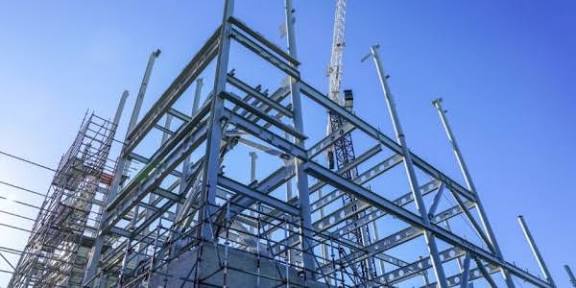
Structural design and engineering have become essential elements of modern construction, shaping the buildings, bridges, industrial facilities, and infrastructure that support everyday life. As cities expand and architectural expectations continue to evolve, the construction industry is adopting innovative technologies, advanced materials, and more efficient design approaches. From high-rise buildings to sustainable residential developments, modern engineering focuses on creating structures that are safe, durable, functional, and environmentally responsible. Digital tools, including computer-aided design, structural analysis software, and building information modeling, are transforming how engineers plan, evaluate, and execute construction projects.
In this changing environment, structurespy com represents a topic of interest for readers exploring structural design, engineering concepts, construction technology, and emerging industry practices. Understanding the relationship between engineering principles and modern digital solutions helps professionals, students, architects, and property developers recognize how construction methods are developing. Structural engineering is no longer limited to calculating loads and selecting materials. It increasingly involves collaboration, sustainability, risk management, digital visualization, and long-term performance. Exploring these developments provides valuable insight into the future of the built environment and the technologies influencing the next generation of infrastructure.
Understanding Modern Structural Design and Engineering
Structural engineering is the discipline responsible for designing and evaluating structures so they can withstand different forces throughout their intended service life. These forces may include gravity, wind, earthquakes, temperature changes, vibrations, and the weight of occupants, equipment, and other materials. Engineers analyze these conditions before selecting appropriate structural systems, dimensions, and construction materials. The main objective is to ensure that a structure remains stable, performs as intended, and complies with applicable building codes and safety requirements.
Modern structural design combines traditional engineering knowledge with advanced computational techniques. Engineers use mathematical models, digital simulations, and specialized software to study how buildings and infrastructure respond to different loading conditions. For example, when designing a multistory commercial building, engineers must consider the weight of floors, the effects of wind, the potential impact of seismic activity, and the interaction between structural components. The ideas associated with structurespy com can help readers explore these interconnected aspects of contemporary structural engineering and understand why accurate planning is important at every stage of construction.
The Role of Technology in Structural Engineering
Technology has significantly changed how structural engineers approach design, analysis, and construction planning. Digital engineering platforms allow professionals to create detailed three-dimensional models, evaluate structural behavior, and identify potential design issues before construction begins. These capabilities can reduce the need for repeated manual calculations and help project teams coordinate complicated building systems more effectively. Computer-aided design and structural analysis applications also allow engineers to compare different design alternatives while considering material requirements, project costs, and performance expectations.
Building information modeling, commonly known as BIM, has become an important part of this digital transformation. It allows architects, structural engineers, contractors, and other professionals to work with coordinated digital representations of a project. Instead of relying exclusively on separate drawings, teams can share information about structural elements, dimensions, materials, and construction sequences. This approach can help identify design conflicts, improve communication, and support more informed decisions. Through the perspective of structurespy com, digital engineering can be understood as a combination of technical accuracy, collaborative planning, and practical problem-solving that supports increasingly complex construction projects.
Digital Modeling and Structural Analysis
Digital modeling enables engineers to study how a structure may behave before physical construction starts. Finite element analysis, for example, divides complex structural components into smaller elements so engineers can estimate stresses, deformations, and responses to different loads. This is particularly useful when designing unusual architectural forms, long-span roofs, industrial structures, and buildings exposed to demanding environmental conditions.
However, digital models are only as reliable as their assumptions, input data, and engineering interpretation. Engineers must verify software outputs, apply appropriate design standards, and use professional judgment when evaluating results. Digital analysis supports engineering decisions but does not replace the expertise required to assess construction quality, material behavior, and site-specific conditions.
Sustainable Materials and Environmentally Responsible Construction
Sustainability has become a major consideration in modern structural engineering as the construction industry responds to environmental concerns, resource limitations, and changing energy requirements. Traditional construction materials such as concrete and steel remain widely used because of their strength, availability, and established engineering properties. However, their production can generate significant carbon emissions, encouraging engineers and developers to explore alternative materials, efficient structural systems, and methods of reducing construction waste.
Modern projects increasingly consider recycled steel, supplementary cementitious materials, engineered timber, and lower-carbon concrete mixes where they are suitable for the intended application. Material selection depends on structural capacity, durability, availability, fire performance, maintenance requirements, and local environmental conditions. The sustainability principles associated with structurespy com highlight the importance of balancing structural performance with responsible resource management. For example, optimizing the dimensions of beams and columns can reduce material consumption while maintaining the required strength and stability, provided that all relevant design requirements are satisfied.
Sustainable structural engineering also considers the complete life cycle of a building. A structure that uses fewer materials during construction may still require substantial maintenance or replacement if durability is overlooked. Engineers therefore evaluate service life, adaptability, energy performance, and the potential for reuse or recycling. These considerations encourage a more comprehensive approach to construction, where environmental responsibility is incorporated into early design decisions rather than treated as an additional feature after the main engineering work is completed.
Innovations Shaping Modern Construction Methods
Construction methods are evolving through automation, prefabrication, modular building systems, and improved project coordination. These approaches can help address challenges such as labor shortages, construction delays, material waste, and increasing demand for infrastructure. Prefabrication involves manufacturing structural components in controlled factory environments before transporting them to the construction site. Depending on project requirements, this can improve consistency, simplify installation, and reduce the amount of work required at the site.
Modular construction extends this approach by assembling larger building sections or complete modules before transporting them for final installation. It is used in applications such as residential developments, healthcare facilities, educational buildings, and temporary infrastructure. Meanwhile, robotic equipment, automated surveying tools, and digital construction management systems are helping project teams improve accuracy and monitor progress. The developments explored through structurespy com connect these methods with the broader objective of creating construction processes that are more coordinated, predictable, and resource-efficient.
Comparing Contemporary Structural Approaches
Different structural systems offer different benefits depending on the building’s purpose, location, budget, and engineering requirements. The following table outlines common approaches and their typical applications.
|
Structural approach |
Main characteristics |
Common applications |
|---|---|---|
|
Reinforced concrete |
Strength, durability, and design flexibility |
Residential buildings, bridges, commercial structures |
|
Structural steel |
High strength-to-weight ratio and long spans |
Industrial facilities, towers, large halls |
|
Engineered timber |
Renewable material potential and prefabrication opportunities |
Housing, low- and mid-rise buildings |
|
Modular construction |
Factory-produced sections and faster site assembly |
Housing, healthcare, educational facilities |
|
Hybrid structures |
Combination of different materials and systems |
High-rise buildings, complex architectural projects |
The choice of a structural system requires careful engineering evaluation rather than relying on a single material or construction technique. Soil conditions, environmental exposure, building height, architectural requirements, local codes, and construction capabilities all influence the final decision. A hybrid structure, for instance, may combine a concrete core with steel framing to meet particular performance and architectural objectives.
The Importance of Structural Safety and Risk Management
Safety remains one of the most important responsibilities in structural engineering. Every building and infrastructure project must be designed to withstand the loads and environmental conditions relevant to its location and intended use. Engineers assess factors such as wind pressure, seismic activity, soil movement, water exposure, and potential changes in occupancy. They also account for construction-stage conditions, since partially completed structures can behave differently from finished buildings.
Risk management begins during the early planning stages and continues throughout the structure’s life cycle. Engineers coordinate with geotechnical specialists, architects, contractors, and inspection professionals to identify potential issues and establish suitable design and construction procedures. Applicable building codes and technical standards provide essential requirements for structural reliability, while independent reviews and quality assurance processes can help identify errors before they affect the finished project. In this context, structurespy com offers a useful subject for understanding how structural principles connect with practical safety considerations in contemporary construction.
Regular inspection and maintenance are equally important after a structure becomes operational. Bridges, commercial buildings, industrial facilities, and other infrastructure may experience gradual deterioration due to corrosion, fatigue, water infiltration, excessive loading, or environmental exposure. Monitoring systems, condition assessments, and timely repairs can help extend service life and reduce the risk of unexpected failures. Structural safety is therefore an ongoing responsibility rather than a task that ends when construction is completed.
Smart Infrastructure and the Rise of Intelligent Buildings
Smart infrastructure is changing how buildings and engineering systems are monitored, operated, and maintained. Sensors installed in selected structural components can collect information about vibration, movement, temperature, strain, and other performance indicators. When properly designed and interpreted, these systems can help engineers understand how a structure behaves under actual operating conditions and identify changes that may require further inspection.
Structural health monitoring is particularly relevant to bridges, large industrial facilities, transportation infrastructure, and buildings exposed to demanding conditions. For example, sensors can record vibration patterns on a bridge and provide information that supports an engineer’s assessment of its condition. Such systems do not independently guarantee safety or replace professional inspections, but they can provide additional evidence for maintenance planning and asset management.
Artificial intelligence and data analytics are also being explored in structural engineering. These technologies can help process large volumes of inspection data, identify patterns, and support predictive maintenance strategies. The modern engineering landscape surrounding structurespy com includes these emerging developments, which connect structural design with continuous performance monitoring. As digital infrastructure becomes more common, protecting sensor networks, validating collected data, and maintaining clear professional oversight will remain essential.
The Role of Structural Engineering in Urban Development
Urban development creates complex challenges for structural engineers as populations grow and cities require additional housing, transportation networks, commercial spaces, and public infrastructure. High-density development often involves taller buildings, underground structures, complex foundations, and limited construction areas. Engineers must coordinate structural requirements with architectural design, utility networks, fire safety, accessibility, and the surrounding built environment.
In densely populated areas, construction projects may need to account for nearby buildings, underground transportation systems, existing utilities, and sensitive ground conditions. Foundation design becomes especially important because soil characteristics influence how structural loads are transferred into the ground. Geotechnical investigations, settlement analysis, and appropriate construction sequencing help engineers manage these conditions. Modern structural planning also considers how buildings can adapt to future uses, making flexibility an increasingly relevant design objective.
Infrastructure development extends beyond individual buildings. Roads, railway systems, pedestrian bridges, water facilities, and energy infrastructure all require structural solutions tailored to their functions and environmental conditions. Structurespy com can be explored in relation to these broader engineering developments, where structural performance, urban planning, and long-term resilience intersect. Effective coordination between public authorities, engineering consultants, construction companies, and local communities helps ensure that infrastructure meets both present requirements and future needs.
Challenges Facing the Structural Engineering Industry
Despite rapid technological progress, structural engineering continues to face challenges involving rising material costs, climate-related risks, skilled labor shortages, complex regulations, and project delivery pressures. Engineers must often balance competing requirements, such as reducing material consumption while maintaining strength, improving construction speed without compromising quality, and introducing new technologies while preserving reliable design practices.
Climate resilience has become particularly important in regions exposed to extreme temperatures, heavy rainfall, flooding, cyclones, and earthquakes. Structural designs may need to account for changing environmental conditions, including more demanding design scenarios where required by applicable standards and project assessments. Retrofitting existing infrastructure can be especially challenging because engineers must evaluate the original design, current condition, and practical limitations of modifying an occupied or operational structure.
Another important challenge involves the integration of digital technologies into established workflows. Different software platforms may use incompatible data formats, and teams can experience coordination difficulties when information is incomplete or inconsistent. Cybersecurity, data ownership, staff training, and software reliability also require attention. Addressing these challenges involves technical expertise, effective communication, continuous learning, and a commitment to quality throughout the project life cycle.
Future Trends in Structural Design and Engineering
The future of structural engineering is likely to involve closer integration between digital modeling, advanced materials, automation, and sustainable design. Engineers are increasingly exploring performance-based design methods, which evaluate how structures are expected to behave under specified conditions rather than relying solely on prescriptive solutions. This approach can be useful for complex buildings and infrastructure, although it requires suitable modeling, technical validation, and compliance with relevant regulations.
Emerging technologies may also change how structural projects are delivered. Digital twins can provide continuously updated digital representations of physical assets, combining design information with operational data. Automated inspection equipment, drones, and computer vision can support the assessment of difficult-to-access infrastructure. Meanwhile, improved material research may create additional opportunities for reducing environmental impacts and enhancing durability.
Several developments are influencing this direction:
-
Artificial intelligence: Supporting data analysis, design exploration, and selected engineering workflows under professional supervision.
-
Advanced materials: Expanding the range of options for strength, durability, and environmental performance.
-
Digital twins: Connecting digital models with real-world operational information for monitoring and maintenance.
-
Construction automation: Improving selected repetitive tasks, surveying activities, and component production.
The future relevance of structurespy com lies in understanding these developments as part of a broader shift toward data-informed, adaptable, and environmentally conscious engineering. Their practical value will depend on demonstrated performance, affordability, appropriate regulation, and the ability of professionals to integrate them into reliable construction practices.
FAQs
1. What is Structurespy Com in modern structural engineering?
Structurespy com is a keyword associated with exploring structural design, engineering practices, construction technology, and modern infrastructure concepts. It can serve as a subject for informational content that explains how engineering principles, digital tools, and innovative materials contribute to contemporary construction. Readers interested in the field can use these topics to build a broader understanding of structural engineering.
2. Why is structural design important in construction?
Structural design ensures that buildings and infrastructure can safely support their intended loads and withstand relevant environmental conditions. It helps engineers select suitable materials, determine structural dimensions, and develop systems that meet safety, durability, and performance requirements. Effective design also supports construction efficiency, cost planning, and long-term maintenance.
3. How does technology improve structural engineering?
Technology helps engineers create digital models, perform structural simulations, coordinate project information, and evaluate different design alternatives. Tools such as BIM and finite element analysis can improve visualization, support collaboration, and help identify potential design conflicts. Their effectiveness depends on accurate input data, suitable assumptions, and qualified engineering oversight.
4. What materials are commonly used in modern structural design?
Reinforced concrete, structural steel, masonry, and engineered timber are widely used in structural applications. Each material has different characteristics relating to strength, stiffness, durability, fire performance, cost, and environmental impact. Engineers select materials according to the structure’s purpose, site conditions, design requirements, and applicable building standards.
5. What is the role of sustainability in structural engineering?
Sustainability involves reducing unnecessary material consumption, evaluating environmental impacts, extending structural service life, and considering reuse or recycling opportunities. Engineers can support these goals through efficient structural systems, suitable lower-carbon materials, responsible construction planning, and designs that accommodate future adaptation. The appropriate approach depends on the project’s technical and environmental requirements.
6. What is the future of structural design and engineering?
Structural engineering is expected to make increasing use of advanced digital tools, automated inspection, smart monitoring systems, innovative materials, and sustainable construction techniques. Digital twins and data analytics may support more informed maintenance decisions, while improved modeling can help engineers evaluate complex structural behavior. Professional judgment, safety requirements, and regulatory compliance will continue to guide how these technologies are adopted.
Conclusion
Modern structural design and engineering are evolving through a combination of established scientific principles, digital innovation, sustainable materials, and improved construction methods. As buildings become more complex and infrastructure requirements continue to expand, engineers must consider structural safety, environmental performance, cost efficiency, and long-term adaptability together. Digital modeling, BIM, advanced structural analysis, prefabrication, and smart monitoring systems are creating new opportunities to improve planning and manage increasingly demanding projects.
Exploring structurespy com provides a way to understand the wider developments shaping contemporary structural engineering, from innovative construction materials to intelligent infrastructure and resilient urban development. Although technology is transforming engineering workflows, successful construction still depends on accurate calculations, qualified professionals, appropriate inspections, and compliance with established standards. By combining technical expertise with responsible innovation, the structural engineering industry can continue to develop buildings and infrastructure designed to serve communities reliably, efficiently, and sustainably for generations to come.
